Access to clean, safe, and great-tasting water is a fundamental priority for every household. With municipal infrastructure aging and various regional water concerns on the rise, relying solely on standard tap water is no longer ideal for many families. However, if you start searching for the "best home water filtration system," you will quickly be overwhelmed by a sea of technical jargon, varying filtration methods, and endless product options.
The truth is, there is no single "perfect" water filter for every single home. The best system depends entirely on your specific water quality challenges, your budget, and whether you want to protect your entire home's plumbing or simply filter your drinking water at a single tap.
In this comprehensive guide, we will break down the leading types of home water filtration systems, highlight what to look for based on industry data, and introduce high-performance configurations that keep your water pristine without the need for overly complex or wasteful systems.
Understanding Your Home Water Filtration Options
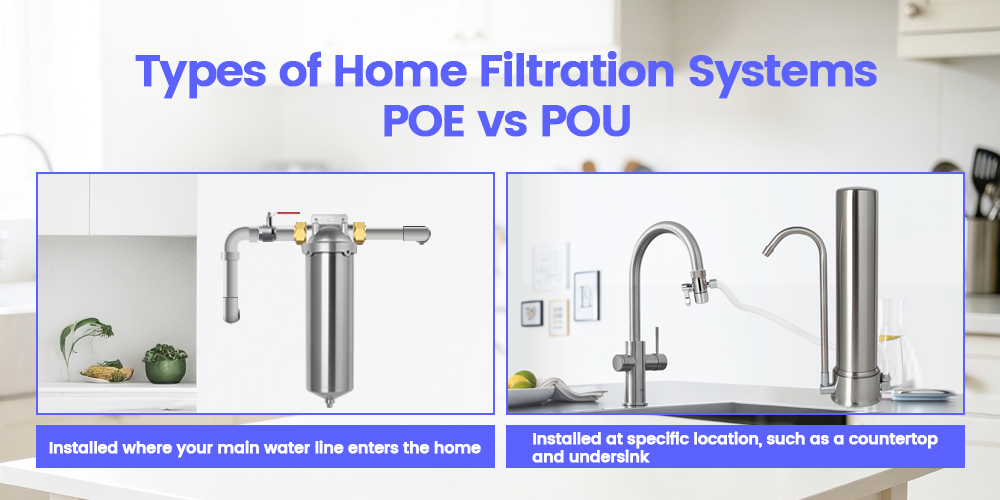
When evaluating water filters, the industry generally divides systems into two main categories: Point-of-Entry (POE) and Point-of-Use (POU).

-
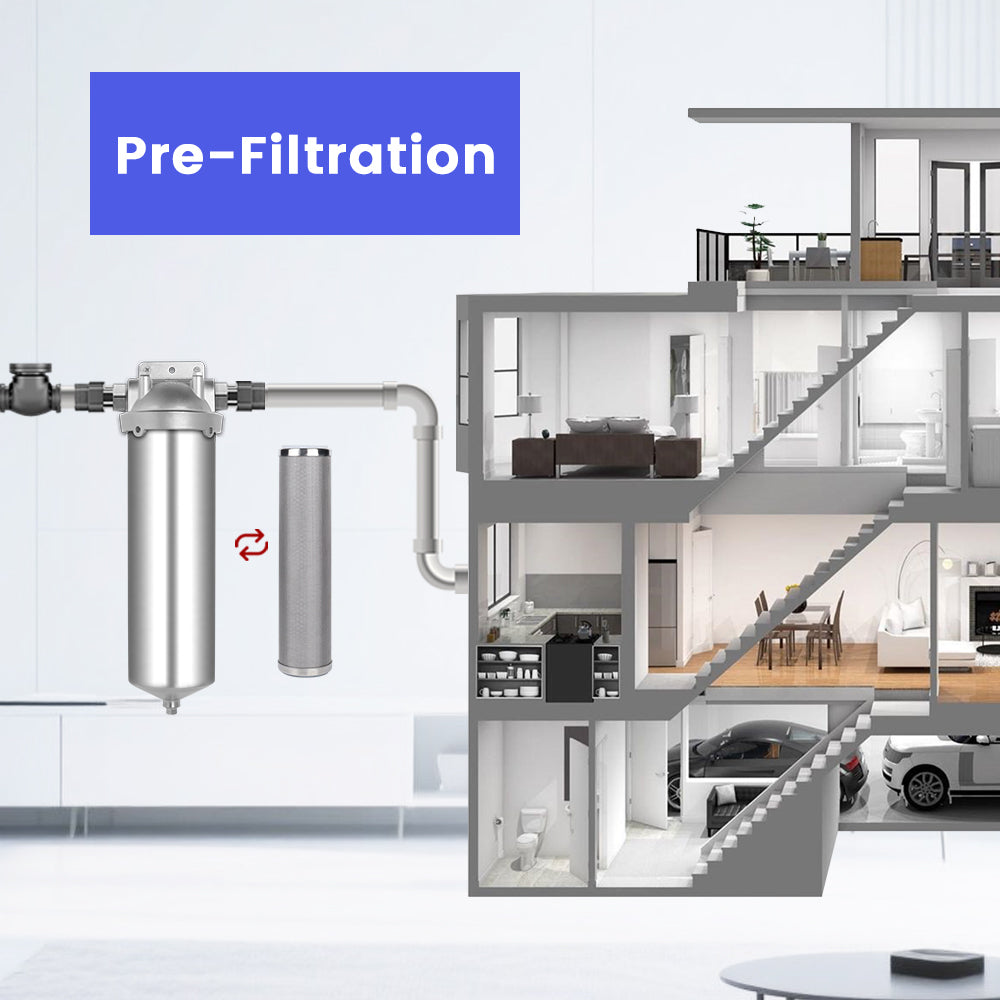
Point-of-Entry (POE) Systems: These are whole-house systems installed where your main water line enters the home. Every single drop of water—whether it goes to your kitchen sink, shower, washing machine, or water heater—is filtered. These systems are critical if you want to eliminate sediment, protect appliances from mineral buildup, and remove chlorine before it can dry out your skin and hair in the shower.
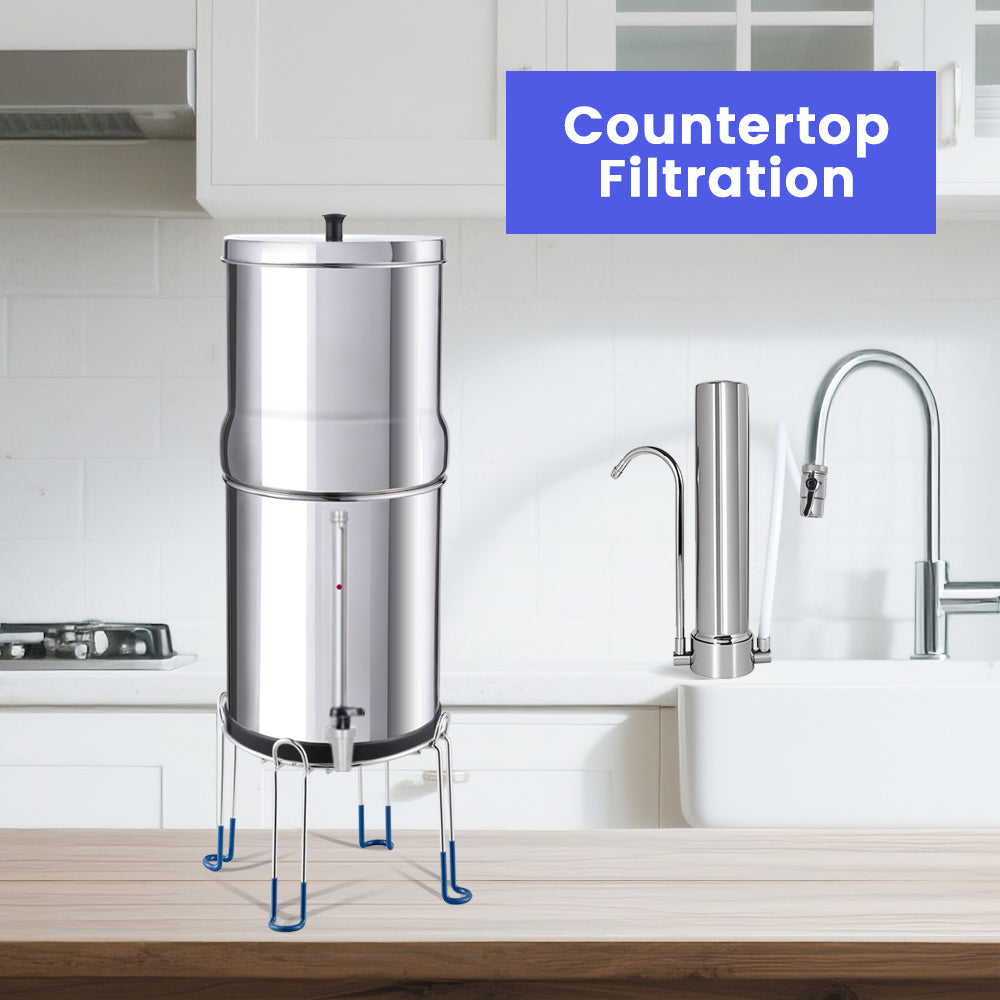
- Point-of-Use (POU) Systems: These systems filter water at a specific location, such as a countertop, a refrigerator dispenser, or under the kitchen sink. They are highly efficient for optimizing the water you specifically use for drinking and cooking.
While some households rely on intensive chemical-stripping methods like Reverse Osmosis (RO)—which can be incredibly rough on hard water lines and strip out healthy minerals—many modern homeowners prefer heavy-duty physical filtration and mechanical separation. These options offer excellent flow rates, lower ongoing maintenance costs, and zero water wastage.
Top Categories of Home Water Filtration Systems
To help you find the best solution for your space, let’s look at the most reliable setups available today, emphasizing structural durability, ease of maintenance, and high flow rates.
1. Pre-Filtration and Spin-Down Sediment Filters
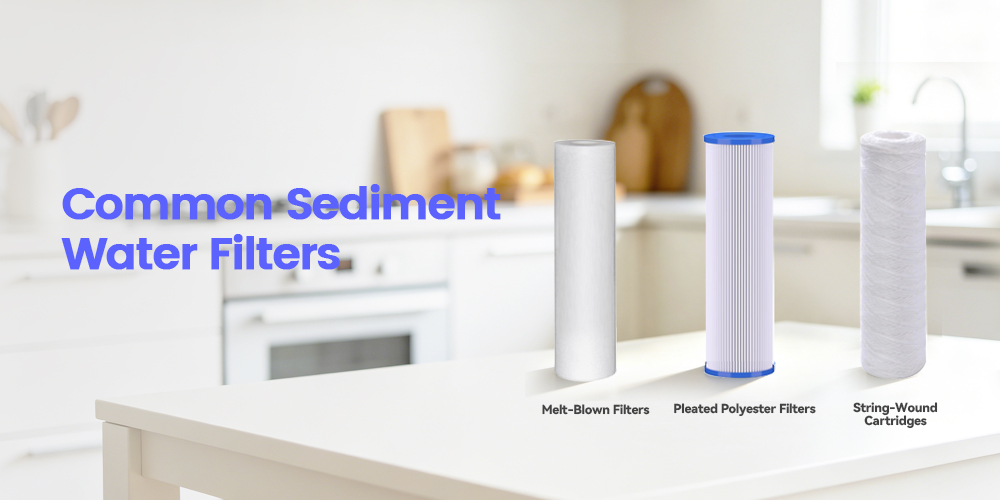
Before water even reaches your fine internal carbon blocks or appliances, heavy coarse materials like rust flakes, sand, scale, and dirt need to be intercepted. If you skip this step, fine filters clog prematurely, costing you hundreds of dollars in unnecessary replacements.
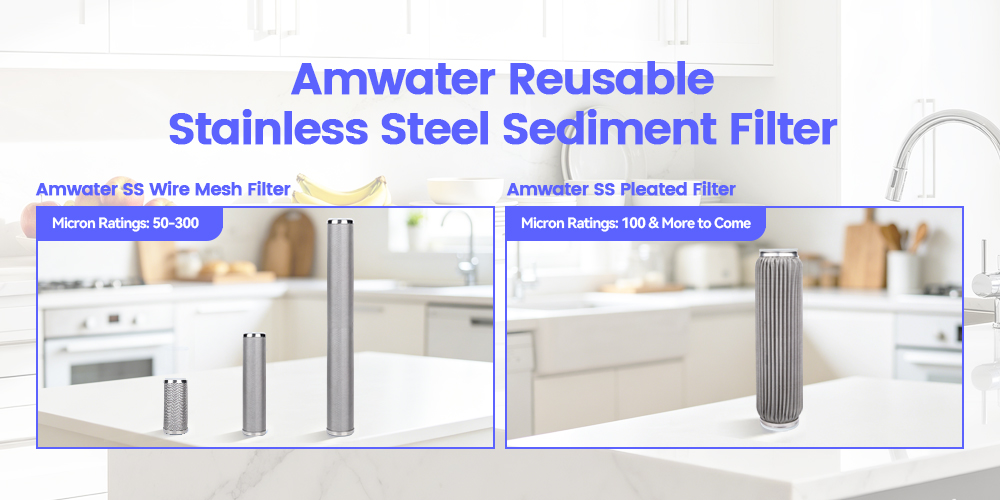
The best solution for this is a dedicated, heavy-duty pre-filter positioned at your main water intake. The AMWater Filter Spin-Down Water Filter serves as your home’s first line of defense. Utilizing a high-strength mesh screen, it mechanically separates large particulate matter. Because it features a flushable valve design, you can simply open the purge valve to flush out trapped sediment rather than constantly replacing cartridges, saving significant money over time.
2. Heavy-Duty Whole House Filter Housings
Once coarse debris is handled, the next tier of a premium whole-house setup involves passing water through dedicated filtration cartridges. To do this reliably under high water pressure, you need robust, industrial-grade filter housings that won't crack or leak.
For standard configurations, a versatile housing like the AMWater Filter 10-Inch Water Filter Housing provides an airtight, pressure-resistant chamber for carbon blocks or sediment cartridges. If your household demands higher water volume without sacrificing pressure, upgrading to an ultra-secure header design is highly recommended. The AMWater Filter Whole House Water Filter Housing with Clamp Head features an innovative, reinforced clamp-head mechanism. This design makes filter changes completely tool-free while offering superior structural integrity capable of handling the heavy water pressure demands of larger homes.
3. Progressive Multi-Stage Sediment Replacements
Within your whole-house housings, the type of media you use determines what gets filtered out. For city water with fine suspended matter or private well water facing heavy turbidity, multi-layered cartridges are essential.
Using an advanced gradient replacement cartridge, such as the AMWater Filter Whole House Sediment Water Filter Replacement, ensures maximum contaminant holding capacity. These filters are engineered with an outer layer that traps larger particles and an inner core that captures microscopic debris. This progressive design ensures a steady, powerful water flow throughout your showers and faucets while ensuring your fine drinking water systems remain protected.
4. Freestanding Gravity-Fed Systems
If you live in an apartment, rent your home, or want a completely portable, zero-plumbing filtration solution for pristine drinking water, gravity filters are arguably the most reliable choice on the market.
Unlike complex under-sink plumbing kits, a system like the AMWater Filter Gravity Water Filter System requires absolutely no electricity or permanent water lines. Constructed from premium, food-grade stainless steel, you simply pour tap water into the upper chamber. It passes naturally through high-efficiency ceramic or carbon composite elements into the lower reservoir. It retains healthy, natural minerals while delivering completely clean, odorless, and pure tasting water perfect for daily hydration.
Key Factors to Consider When Buying a Water Filter
To ensure you make an investment that lasts for years, keep the following three evaluation metrics in mind:
Micron Rating & Pore Size
A filter's efficiency is determined by its micron rating. A micron is one-millionth of a meter. For heavy sediment and pre-filtration, a 20 to 50-micron spin-down filter is ideal for trapping coarse sand. For whole-house cartridge protection, a 5-micron rating is the industry standard for capturing invisible rust, silt, and fine debris before it enters your home's internal pipes.
Flow Rate and Water Pressure
A common complaint among homeowners who install poorly designed filters is a sudden drop in water pressure during showers or appliance cycles. Look for whole-house systems that guarantee a flow rate of at least 10 to 15 gallons per minute (GPM). This ensures that even if multiple taps are running simultaneously, your water pressure remains perfectly stable.
Long-Term Maintenance and Structural Costs
An affordable upfront price tag can sometimes mask incredibly high recurring filter replacement costs. When shopping, prioritize systems that offer cleanable or flushable elements (like spin-down filters) and high-capacity replacement cartridges that only need to be swapped out every 6 to 12 months. Furthermore, opt for housings engineered with reinforced structural joints or clamp heads to mitigate the risk of catastrophic water leaks over time.
How to Build the Ultimate Home Filtration Set Up
For the absolute best results, the top water treatment professionals recommend a layered, multi-stage approach rather than relying on a single piece of equipment. Here is how you can combine these elements into a seamless, low-maintenance home water treatment ecosystem:
-
Stage 1: The Sediment Guard. Install a flushable spin-down filter at your main point of entry to stop coarse sand, gravel, and pipe scale from ever entering your house.
-
Stage 2: The Core Whole-House Housing. Follow up with a heavy-duty, clamp-head 10 or 20-inch filter housing loaded with a progressive micron sediment replacement filter to strip out ultra-fine particles, rust, and taste-altering impurities.
- Stage 3: The Point-of-Use Perfection. For your daily drinking and cooking needs, position a stainless steel gravity-fed water system right on your kitchen countertop. This ensures an endless supply of crisp, mineral-rich water without wasting water or crowding the cabinet space underneath your sink.
By choosing heavy-duty, mechanical Point-of-Entry and standalone gravity filtration systems over complex, high-maintenance alternatives, you protect your appliances, preserve your plumbing, and secure exceptionally pure drinking water for your entire family.

Leave a comment
This site is protected by hCaptcha and the hCaptcha Privacy Policy and Terms of Service apply.