
When we think of clean drinking water, our minds often jump to removing microscopic chemical contaminants, heavy metals, or bacteria. However, there is another highly visible and destructive category of impurities that affects millions of households daily: sediment. From fine sand particles to rust flakes dislodged from aging municipal mains, physical debris can ruin your plumbing, destroy expensive home appliances, and compromise the taste and clarity of your water supply.
This is where physical water purification steps in. But exactly what is a sediment filter, how does it fit into a comprehensive water treatment setup, and why is it considered the indispensable first line of defense for both city and well water systems? In this ultimate guide, we will break down everything you need to know about sediment filtration, micron ratings, housing options, and how to optimize your system for pristine, crystal-clear water.
Understanding Sediment: The Hidden Enemy in Your Water
Before diving into the mechanical details of the filtration process, it is essential to understand what we are trying to trap. "Sediment" is a catch-all term for any particulate matter that can be transported by fluid flow and eventually settles as a layer of solid particles at the bottom of a pipe, water heater, or fixture.
Common types of sediment found in domestic water lines include:
-
Sand and Silt: Particularly common in private wells, these coarse particles can scratch internal components of faucets and valves.
-
Rust Particles: Dislodged from old iron or galvanized steel plumbing lines (either within your home or from the municipal infrastructure).
-
Scale and Calcium Flakes: Hard water deposits that break loose from the interior walls of your piping or hot water tank.
-
Organic Matter and Clay: Microscopic soil components that give water a cloudy, turbid, or muddy appearance.
If left unchecked, these abrasive particles act like sandpaper inside your appliances. They clog washing machine inlet screens, score the ceramic discs inside premium faucets, restrict flow in tankless water heaters, and form a thick thermal-insulating sludge layer at the bottom of standard water heaters, driving up your energy bills.
What is a Sediment Filter and How Does it Work?
A sediment filter acts as a mechanical sieve or barrier that physically strains out suspended solids from your water supply while allowing the clean liquid to pass through freely. Think of it as a premium, heavy-duty screen door for your home’s plumbing system. It does not remove dissolved chemicals, heavy metals, radium, or organic volatile compounds—instead, it focuses entirely on removing the solid debris that causes cloudiness and mechanical wear.
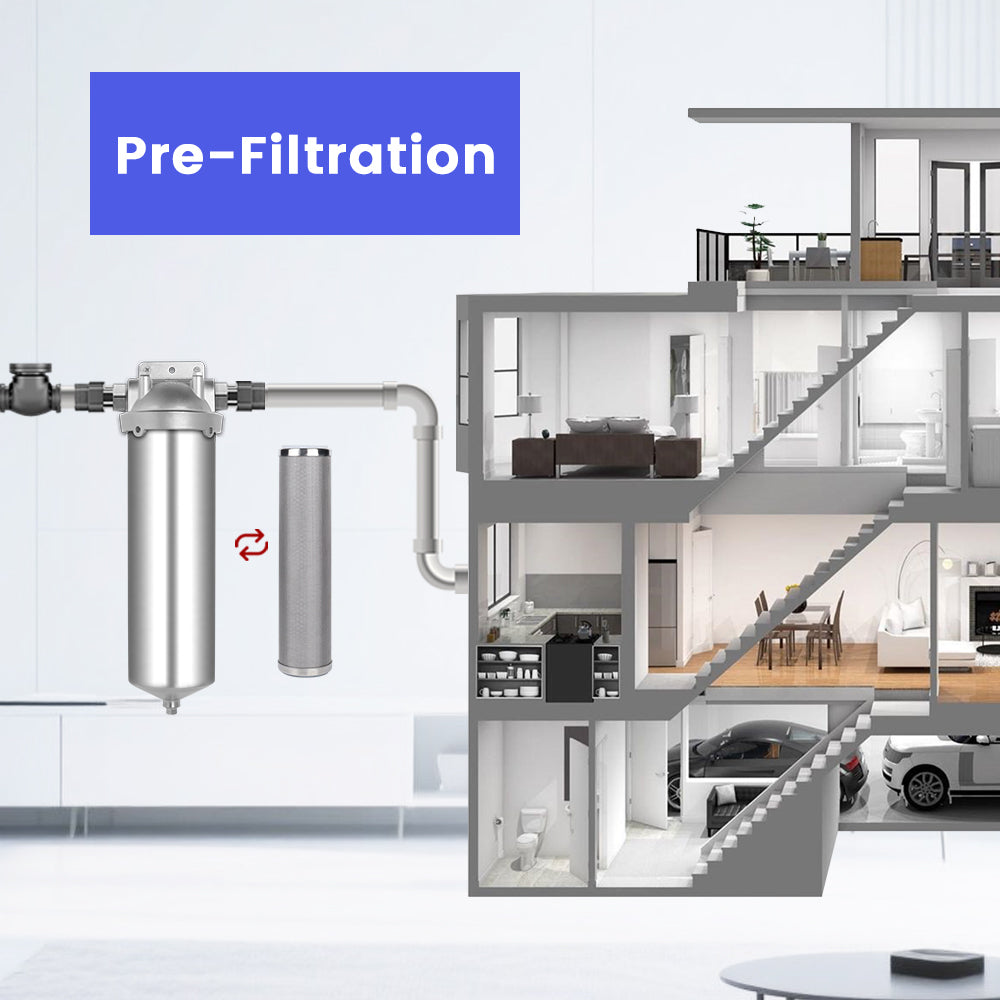
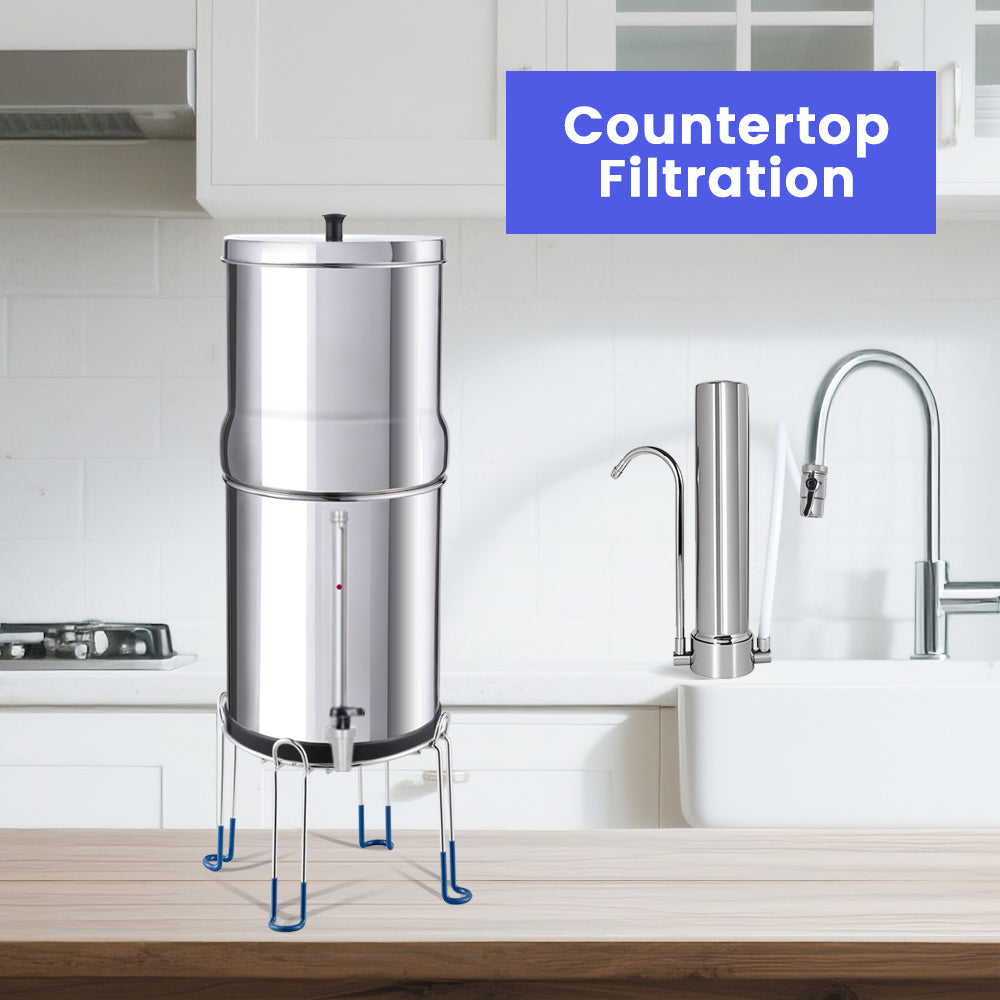
In a standard residential configuration, the filtration process occurs within a specialized container called a water filter housing. As raw, unfiltered water enters the inlet side of the housing, it is forced through a replaceable or cleanable filter cartridge. The cartridge catches the particles on its outer surface or deep within its matrix, allowing only the clarified water to exit through the center core and flow into your household lines.
The Vital Role of Micron Ratings
Sediment filtration efficiency is universally measured in microns (micrometers). One micron is equal to one-millionth of a meter. To put this into perspective, a single strand of human hair is approximately 70 to 80 microns wide, and the smallest particle visible to the naked eye is roughly 40 microns.
When selecting a filter element for your water filter housing, you will encounter various micron ratings. Choosing the correct rating requires balancing filtration precision against your home's water pressure needs:
| Micron Rating | Target Particle Type | Best Applied In... |
| 50+ Microns | Coarse sand, large scale flakes, gravel debris. | Pre-filtration for heavy well water as a spin-down sediment trapper. |
| 20 Microns | Fine sand, visible rust particles, debris clusters. | Standard whole-house protection where flow rate is a top priority. |
| 5 Microns | Silt, fine sediment, clay particles, larger cloudiness elements. | The industry benchmark for residential sediment removal; balances flow and filtration. |
| 1 Micron | Microscopic dust, highly refined carbon particles. | Post-filtration or highly specialized pre-treatment before delicate equipment. |
It is important to note that a lower micron rating means tighter filtration, which naturally creates a higher resistance to water flow. If you install a 1-micron filter on a high-flow main line without adequate surface area, you will likely experience a dramatic drop in your household water pressure. For most whole-house setups, a 5-micron or 20-micron element provides the ideal balance.
Types of Sediment Filter Cartridges
Depending on your water quality and specific setup requirements, different cartridge styles can be deployed within your 10-inch water filter housing:

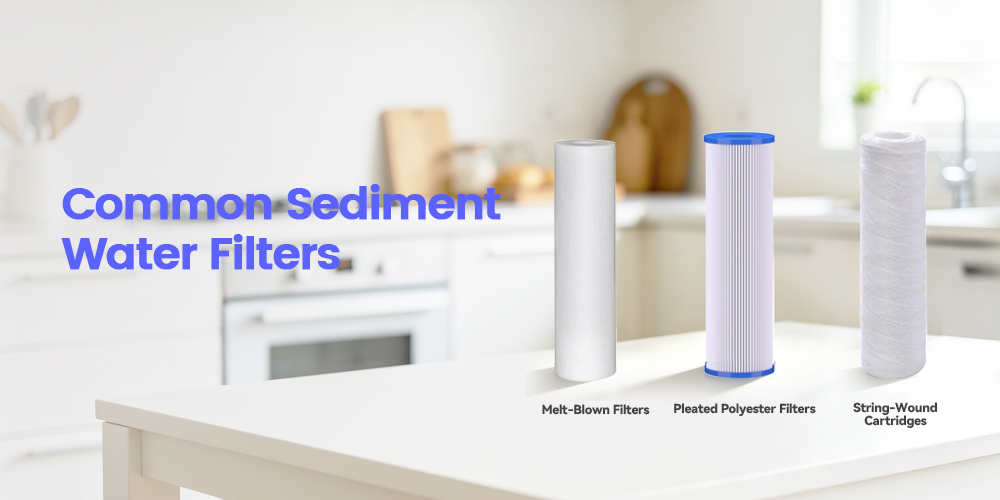
1. Melt-Blown / Spun Polypropylene Filters
These cartridges are manufactured by spinning molten polypropylene fibers onto a central core. They feature true "depth filtration," meaning the outer layers are wound loosely to catch larger particles like sand, while the inner core is packed tightly to capture micro-fine silt. They are highly affordable and excellent for general-purpose sediment reduction, though they are disposable and cannot be washed or reused.
2. Pleated Polyester/Cellulose Filters
Pleated filters use an accordion-style design to maximize the total surface area exposed to water flow. This massive surface area allows them to handle higher flow rates and catch uniform surface debris efficiently. Best of all, pleated polyester cartridges can often be removed from the housing, rinsed off with a garden hose to clear away accumulated mud, and reinstalled multiple times before replacement is required.
3. String-Wound Cartridges
A classic design featuring polypropylene, cotton, or glass fiber string wound tightly around a perforated core. Like spun filters, they offer excellent depth filtration and are highly effective for shifting concentrations of heavy rust particles and coarse materials.
Why a Sediment Filter is Critical for POE Purifiers
At Amwater Filter, we specialize in heavy-duty Point-of-Entry (POE) purifiers and whole-house filtration solutions rather than delicate under-sink point-of-use units. A Point-of-Entry system filters the water at the main line before it splits off to your water heater, showers, toilets, and kitchen faucets.
Within a complete whole-house water plan, the sediment filter plays the critical role of the sacrificial guardian. It is explicitly designed to catch physical dirt before the water reaches more advanced, expensive downstream filtration stages, such as granular activated carbon (GAC) blocks, iron-reduction systems, or water softeners.
If you pass raw, muddy water directly into an expensive activated carbon block or water softening resin bed, the fine sediment will quickly blanket and coat the microscopic pores of the media. This phenomenon, known as "fouling," renders the expensive media completely useless long before its time. By positioning an affordable sediment filter inside a dedicated 10-inch water filter housing as the very first stage, you protect your primary investments and ensure your whole system operates efficiently for years.
Installation & Maintenance: Keeping Your Water Flowing
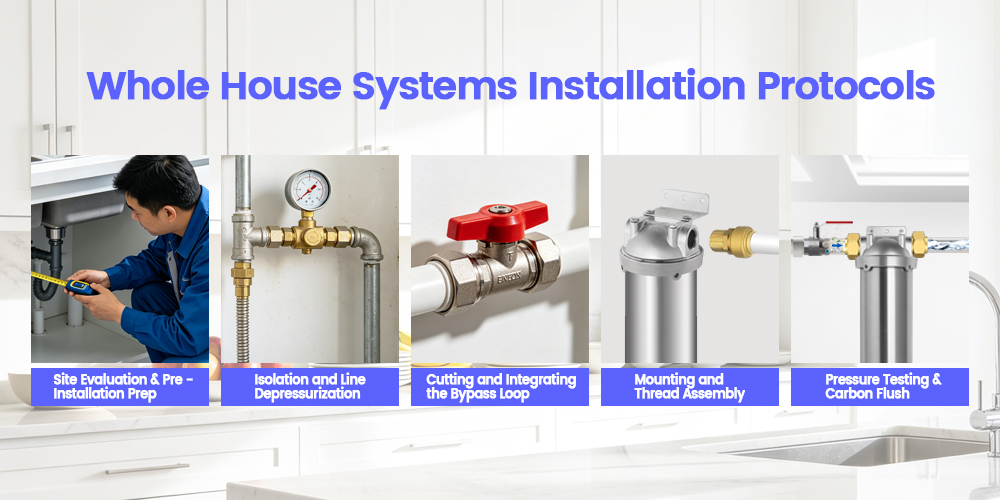
Installing sediment housing on your main line is a straightforward task for DIY enthusiasts or licensed plumbers. For optimal performance, it should be installed right after your main shut-off valve and water meter (or pressure tank if you are on a well system).
Maintenance is equally vital. Over time, as the filter successfully traps dirt, the pores will fill up, causing a gradual reduction in your home's water pressure. To maintain peak performance, keep these simple maintenance habits in mind:
-
Change Interval: Replace or clean your filter element every 3 to 6 months. This timeline depends heavily on your household water consumption volume and the baseline turbidity of your water supply.
-
Pressure Monitoring: Keep an eye on your showers and faucets. If you notice a sudden drop in pressure when multiple fixtures are running, it is usually a clear sign that your sediment cartridge is saturated and needs attention.
- Sanitization: When replacing the cartridge, take a moment to wash the interior of the filter housing with warm, soapy water and a mild sanitizing rinse to prevent any biofilm accumulation.
Conclusion: The First Step to Pristine Home Water
Answering the question "what is a sediment filter" reveals that clean water relies heavily on smart engineering and physical protection. By screening out the sand, silt, rust, and debris that naturally enter your main water lines, you safeguard your plumbing infrastructure, extend the operational life of your appliances, and prepare your water perfectly for advanced carbon filtration steps.
Don't let hidden dirt and rust compromise your home. Explore high-quality water treatment components at Amwater Filter, and upgrade your incoming water line with the durable, reliable protection of the Amwater Filter 10-Inch Water Filter Housing today. Your pipes, appliances, and family will thank you.

Leave a comment
This site is protected by hCaptcha and the hCaptcha Privacy Policy and Terms of Service apply.