
Water is the lifeblood of a functioning household. From the refreshing glass of water you pour in the kitchen to the water running through your laundry machine, dishwasher, and bathroom showers, it touches every corner of your daily life. However, raw water travelling from municipal treatment plants or private underground wells is rarely completely pristine. Along its journey, it often accumulates abrasive sediments, disinfection chemicals like chlorine, microplastics, and heavy metal residues.
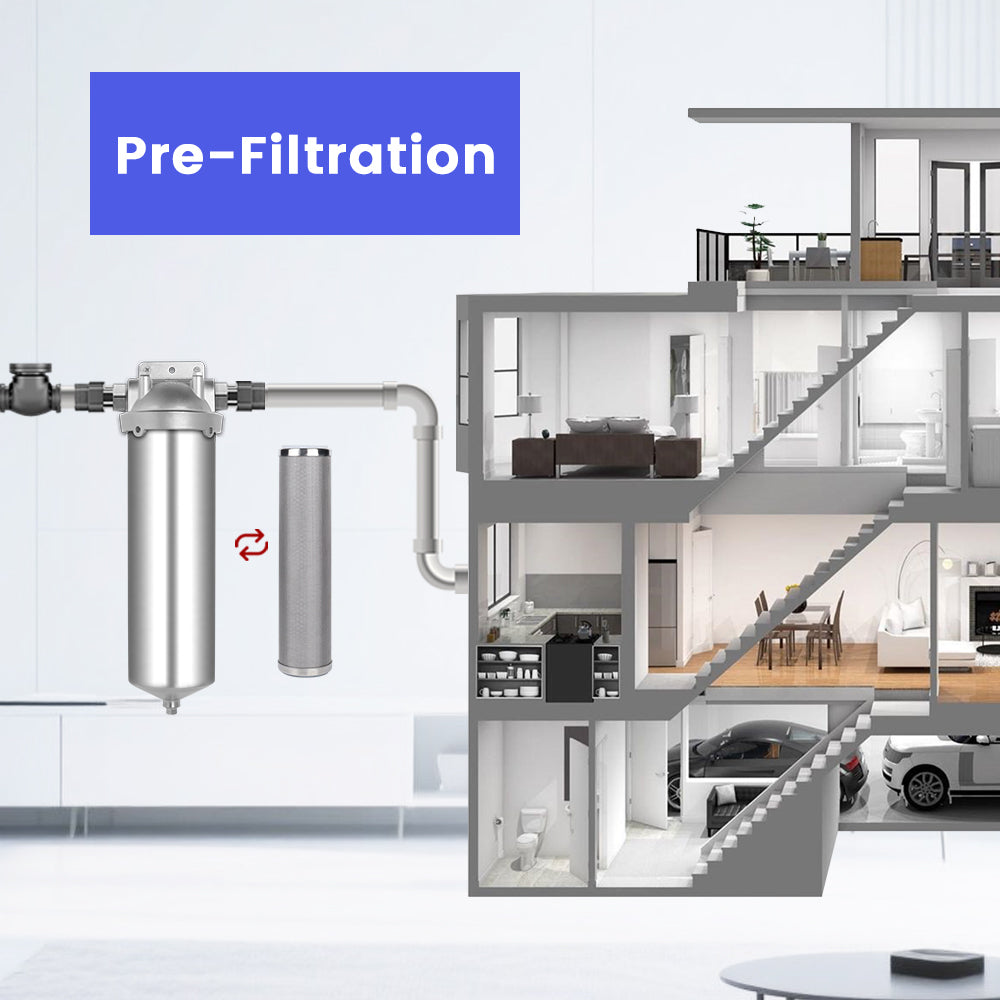
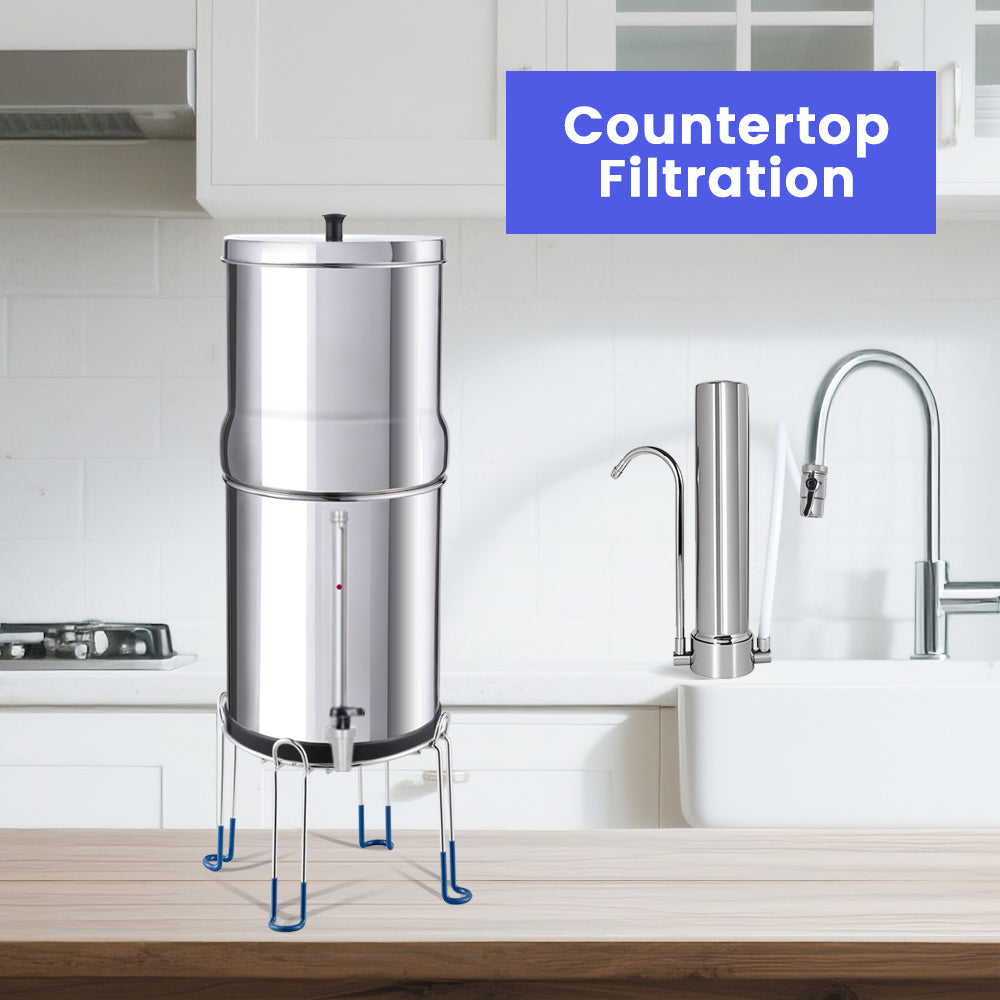
While basic under-sink filters or countertop water pitchers offer a localized solution, they leave the rest of your home exposed. This is where premium whole house water filtration services become a game-changing investment. By implementing a Point-of-Entry (POE) system, you effectively build an impenetrable shield that treats every single drop of water before it branches out into your property's plumbing infrastructure.
In this comprehensive guide, we will analyze why centralized filtration services are essential, break down the core structural components of a professional setup, outline the step-by-step installation mechanics, and show you how Amwater Filter provides the heavy-duty components necessary to build a lifetime residential water system.
Why Every Home Needs Whole House Water Filtration Services
Centralized filtration treats water precisely where your main water line penetrates the exterior wall of your property. Instead of buying individual single-purpose filters for every separate room, a single consolidated POE network processes the volumetric flow for your entire home layout.
Integrating comprehensive whole house water filtration services yields major long-term dividends across multiple household areas:
1. Comprehensive Health and Wellness Protection
Municipal setups regularly dose tap water with harsh chlorine or chloramines to destroy organic pathogens during transit. While necessary for public distribution safety, these chemicals leave a pungent chemical odor and a swimming-pool-like taste. Furthermore, absorbing chlorine through the skin during hot showers can dry out your body, stripping hair follicles of natural protective oils and triggering chronic eczema flares. A whole-house filter chemically neutralizes these disinfection agents right at the boundary line.
2. Infrastructure & Appliance Longevity
Abrasive particulate matter like sand grains, fractured pipe scale, and loose silt act like a grinding paste inside expensive home appliances. Over time, these sediments block delicate solenoid valves inside high-end dishwashers, score the internal seals of laundry machines, and collect as a thick sludge layer inside water heaters. Centralized pre-filtration service catches these mechanical impurities instantly, saving thousands of dollars in premature plumbing repairs and emergency component swap-outs.
3. Sustainable and Cost-Effective Living
Relying on plastic water bottles or weak counter pitchers creates endless trash and high monthly recurring grocery fees. Upgrading to a premium whole-house system converts every single faucet into an endless source of crisp, clear, mineral-balanced hydration—significantly minimizing your family’s environmental footprint.
Technical Architecture of a Top-Tier Filtration Setup
A professional whole-house filtration service does not rely on flimsy, unibody plastic structures. High-performance setups are modular, allowing you to combine specialized heavy-duty filter housings tailored exactly to your local property's raw water properties.
When planning out your residential water service infrastructure, top-rated deployments prioritize these heavy-duty engineering solutions available at Amwater Filter:
-
The Primary Sediment Shield: To block heavy debris, sand, and rust immediately down the line from your water meter, integrating an ultra-compact, high-burst-pressure pre-filter is necessary. The AMWater 5-Inch Stainless Steel Whole House Water Filter offers bulletproof corrosion protection and a high burst rating, functioning perfectly as the first physical line of defense.
-
The High-Flow Main Treatment Block: For standard households with multiple active bathrooms, maintaining proper water flow rates (Gallons Per Minute) is vital so your water pressure never drops when someone starts a shower. Utilizing a large-capacity housing like the AMWater 20-Inch Stainless Steel Filter Housing guarantees maximum internal filter surface area, providing excellent chemical absorption while accommodating massive volumetric water demand.
-
Compact Modular Configurations: For townhouses, apartments, or specific secondary loop additions, standard-sized housings perform brilliantly. The AMWater 10-Inch Whole House Water Filter Housing offers a stellar balance between structural space-efficiency and heavy-duty structural execution.
- Hermetic Pressure Security: Because incoming main lines experience massive daily pressure spikes (especially during late-night hours when city usage drops), structural joinery is the most frequent point of failure. Deploying an elite locking mechanism like the AMWater Whole House Water Filter Housing Clamp Head provides a rock-solid, completely leak-proof interface that simplifies filter change-outs while withstanding intense pressure shifts.
Step-by-Step Installation Protocols for Whole House Systems

Executing professional-grade whole house water filtration services requires meticulous planning and rigorous technical execution. Whether you plan to tackle this as a complex DIY project or coordinate directly with a licensed plumbing contractor, the operational blueprint remains non-negotiable:
Step 1: Site Evaluation & Pre-Installation Prep
The filtration hardware must be mounted indoors or inside a fully weatherproofed, utility enclosure where water can never freeze. It must be positioned upstream of your primary water heater and any indoor distribution branches, but fully downstream of the primary shut-off valve.
Step 2: Isolation and Line Depressurization
Turn the main water intake valve completely off. Next, locate the lowest functional faucet in your home (such as a basement laundry sink or an exterior garden spigot) and open it completely. This completely drains standing water from the vertical pipes and relieves lingering line pressure, preventing unexpected flooding when you cut into the supply line.
Step 3: Cutting and Integrating the Bypass Loop
Using a professional pipe-cutter, remove a clean, square section of your primary incoming line. Keep a catch bucket directly beneath your workspace to handle residual water drainage. At this junction, it is highly recommended to install a three-valve bypass loop. This master configuration lets you reroute raw water around the system during routine cartridge maintenance without shutting off the main water service to your entire home.
Step 4: Mounting and Thread Assembly
Secure your heavy-duty mounting brackets directly onto a structural wall stud or stable solid masonry. Never allow raw copper or PEX lines to carry the physical weight of full water housings, as this creates structural stress over time. Wrap all male plumbing threads securely with professional-grade PTFE pipe-sealing tape in the precise direction of the thread paths to guarantee a perfect seal. Double-check the directional arrows stamped on the filter heads to confirm that the water flows perfectly from the IN port toward the OUT port.
Step 5: Pressure Testing & Carbon Flush
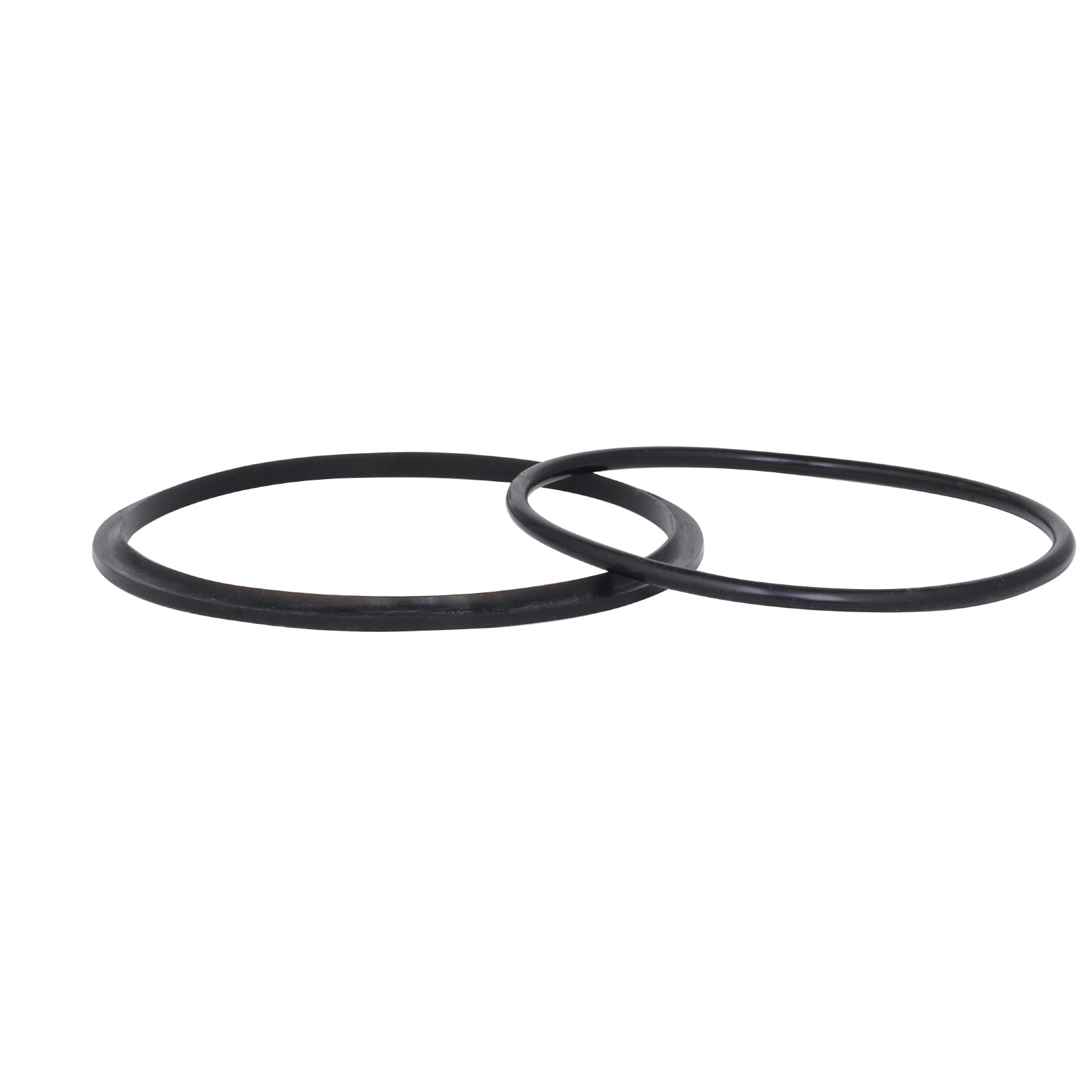
Slowly crack open the main intake valve to let water gradually re-pressurize the newly installed filtration line. Closely inspect every single compression adapter, clamp joint, and O-ring seal for micro-drips. Once structural integrity is verified, open a downstream bathtub faucet or garden hose for roughly 10 minutes. This critical flushing phase purges air pockets and clears out natural carbon fine dust from brand-new filters, delivering flawless, crystal-clear water across your entire property.
Long-Term Maintenance and System Upkeep
To keep your home water filtration system ranking at peak efficiency, setting up a regular maintenance schedule is essential.
-
Cartridge Replacements: Depending on your household's total water consumption metrics and raw water turbidity, sediment filters should be swapped out every 3 to 6 months, while premium heavy-density carbon blocks generally last 6 to 12 months. A sudden drop in home shower pressure is the number one indicator that your filter cartridges have reached full capacity and require replacement.
- Sanitization Cycles: Whenever you remove old filters for replacement, take a moment to wash the interior of the empty housings with warm, soapy water and rinse thoroughly. Sanitizing the housings periodically prevents biofilm buildup and keeps your system performing like new.
Upgrade Your Home's Water Infrastructure Today
Investing in premium whole house water filtration services isn't just about making your morning coffee taste better—it's a comprehensive upgrade to your property's plumbing health, appliance longevity, and your family's daily wellness.
Whether you need a compact system for a modern apartment or a bulletproof, high-flow stainless steel setup for a larger estate, Amwater Filter delivers the elite industrial-grade housings, robust clamp heads, and tailored hardware solutions required to build a system that lasts. Explore our professional-grade inventory today and enjoy pristine, pure water from every single tap.


Leave a comment
This site is protected by hCaptcha and the hCaptcha Privacy Policy and Terms of Service apply.