
When it comes to the water flowing from your taps, "clear" doesn't always mean "clean" or "safe." Many homeowners realize they need a solution but quickly get stuck on a common dilemma: whole house water filtration system vs water softener.
Water treatment is essential for improving water quality and protecting your expensive appliances from damage caused by hard water minerals like calcium and magnesium. While both systems improve your home's water, they serve different purposes and have distinct benefits. Understanding the differences between water softeners and whole house water filtration systems can help you make an informed decision about your household's specific needs.
Understanding Hard Water and Its Hidden Costs
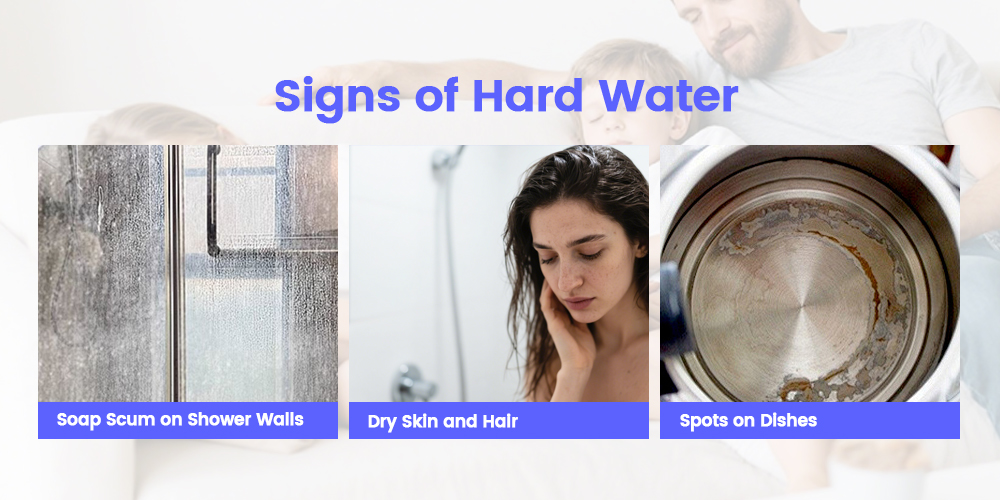
The Signs of Hard Water in Your Home:

- Soap Scum: A stubborn film on shower walls and bathtubs.
- Dry Skin and Hair: Minerals strip away natural oils, leaving you feeling itchy.
- Spotting: Persistent white spots on dishes and glassware even after a wash cycle.
Benefits of Professional Water Treatment
Improved Lifestyle and Health
Financial Savings
Environmental Protection
How Filtration Systems Work: Beyond Softening
- Carbon Filters: Excellent for removing chlorine, bad tastes, and odors.
- Reverse Osmosis: Uses a semi-permeable membrane to strip away heavy metals like lead and arsenic.
- UV Light: Disinfects water by neutralizing bacteria and viruses.
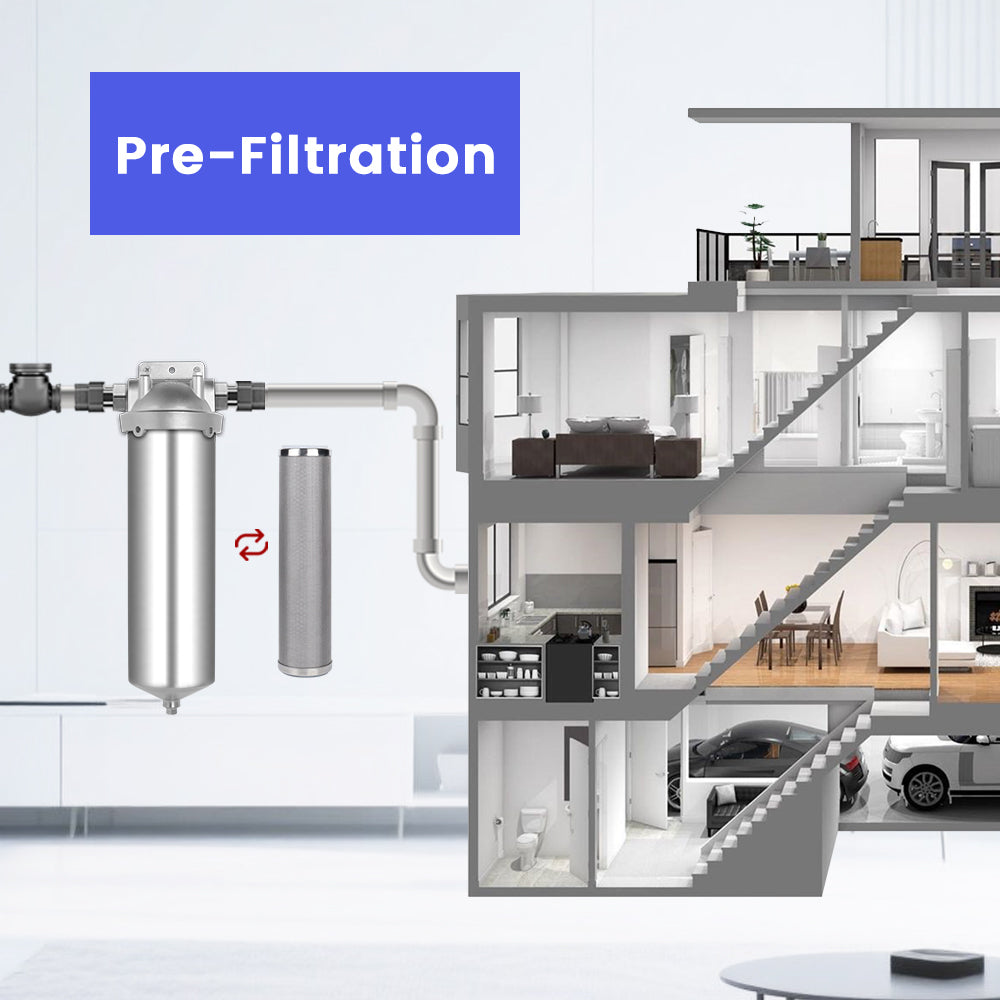
A whole house system is installed at the entry point of your home, providing treated water to every faucet, from the kitchen to the laundry room. This provides more comprehensive protection than a simple under-sink filter.
The Deep Comparison: Water Softener vs Whole House Filter
|
Feature |
Water Softener |
Whole House Water Filtration System |
|
Primary Goal |
Removes scale-causing minerals (Calcium/Magnesium). |
Removes contaminants (Chlorine, Lead, Bacteria). |
|
Technology |
Ion Exchange (Salt-based). |
Carbon, RO, or UV Media. |
|
Best For |
Households with white scale buildup and dry skin. |
Households concerned with water safety and chemical tastes. |
|
Appliance Protection |
High; prevents pipe clogging. |
Moderate; protects mainly from chemical corrosion. |
Salt-Based vs. Salt-Free Options
When comparing a whole house water filtration system vs water softener, you will also encounter "Salt-Free Conditioners."
-
Salt-Based Softeners: The most effective at removing hard minerals but require salt refills and regular maintenance.
- Salt-Free Conditioners: An eco-friendly, low-maintenance alternative that prevents scale from sticking to pipes but does not actually "soften" the water by removing the minerals.
Choosing the Right System for Your Household
Step 1: Test Your Water
Step 2: Evaluate Your Priorities
- If you have hard water but your water is safe: A water softener system is likely your best solution.
- If your water tastes like chemicals or you worry about lead: A filtration system is the better choice for comprehensive safety.
- The "Total Solution": For many homes, water softening and filtration can be used together to provide the ultimate quality for drinking and appliance protection.
Maintenance and Upkeep: Ensuring Longevity
- Filter Replacement: Most whole house filters need replacing every 6–12 months to prevent bacteria growth and ensure flow rate.
- System Cleaning: Periodic cleaning prevents sediment buildup in the tanks.
- Leak Checks: Regular inspections help avoid costly water damage.
Homeowners should consider the long-term cost of maintenance and salt when selecting a system. While a well-maintained system provides safe water for years, some may prefer modern, "maintenance-free" alternatives that offer minimal upkeep for a busier lifestyle.
Conclusion: Which is Best for You?
For the most comprehensive protection, combining both systems ensures that every drop of water in your home is soft, safe, and great-tasting.
Ready to upgrade your home's water? Explore the high-performance range of systems at AMWater Filter and take the first step toward a healthier home today.


Leave a comment
This site is protected by hCaptcha and the hCaptcha Privacy Policy and Terms of Service apply.