
Water is the lifeblood of your home. It’s what you drink to stay hydrated, what you use to prepare meals for your family, and what you rely on for hygiene and cleaning. However, many homeowners overlook the journey water takes before it reaches the tap. Along that journey, it can pick up a variety of impurities. At AMWater Filter, we believe that total peace of mind starts with total water protection. This guide will help you identify the signs you need a water filter and explain why a whole house system might be the best investment for your household.
Introduction to House Water Filter Systems![]()
A whole house water filtration system is a comprehensive solution designed to improve water quality throughout your entire residence. Unlike small pitchers or faucet attachments, these systems filter every drop of water that enters your home. This means you aren't just getting clean water at the kitchen sink; you are getting safe water for showering, laundry, and all your appliances.
These robust systems are engineered to reduce a wide spectrum of contaminants, from heavy metals and chlorine to volatile organic chemicals (VOCs). By installing a whole house water filtration system, you can enjoy great-tasting water from every faucet while simultaneously protecting your plumbing and expensive appliances from internal damage. For homeowners seeking a total improvement in water quality, these systems offer an unmatched level of coverage.
Benefits of Whole House Systems
Why choose a whole-home approach? The benefits extend far beyond just the taste of your drinking water. Whole house systems provide comprehensive filtration, capable of removing up to 97% of contaminants found in standard tap water.
- Improved Taste and Odor: By stripping away chemicals, your water becomes more enjoyable to drink and use for cooking.
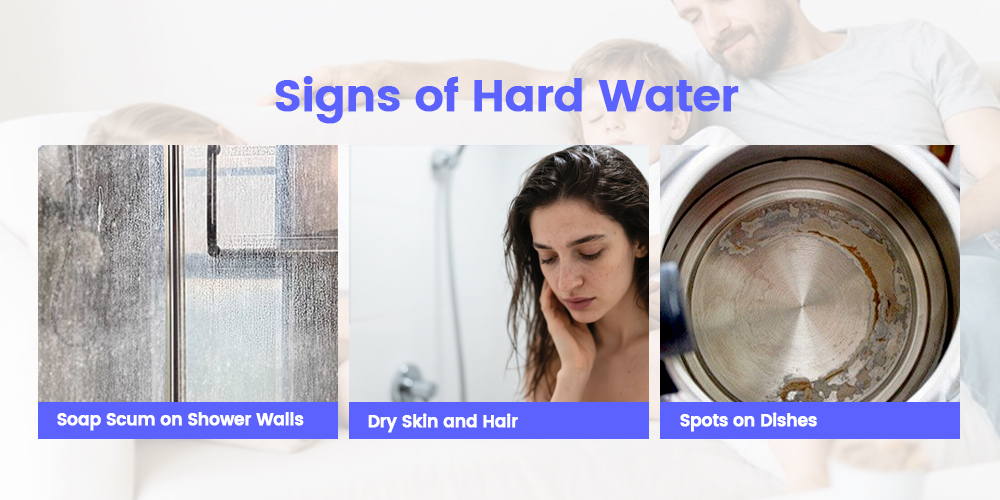
- Appliance Longevity: These filters help reduce scale buildup, which can significantly extend the lifespan of your dishwasher, washing machine, and water heater.
- Healthier Skin and Hair: Removing harsh chemicals like chlorine can promote softer skin and healthier hair, as you are no longer bathing in treated "chemical" water.
- Economic Savings: A primary sign you need a water filter is the high cost of buying bottled water. A whole-home system can save you significant money over time by making your tap water better than bottled alternatives.
Types of Filtration Systems
No two homes have the exact same water issues, which is why there are several types of whole house systems available.
- Activated Carbon Filters: These are the "gold standard" for improving taste and odor, specifically targeting chlorine and VOCs.
- Sediment Filters: These act as a physical shield, removing sand, silt, and rust particles to improve the clarity of your water.
- Reverse Osmosis (RO): For those seeking the highest level of purity, whole-home RO systems target heavy metals and microscopic impurities.
At AMWater Filter, we understand that these systems can be customized to meet the specific needs of your family. Whether you are dealing with city water chemicals or well water sediment, there is a specialized filter media designed for your situation.
Contaminants Reduced by Water Filters
One of the strongest signs you need a water filter is discovering what is actually lurking in your pipes. Whole house systems are designed to reduce a vast array of invisible threats:
- Heavy Metals: Systems can be tailored to target lead, mercury, and arsenic.
- Chemicals: Chlorine and volatile organic chemicals are common targets for carbon-based systems.
- Biological Matter: These systems can remove sediment, bacteria, and other microorganisms that affect safety.
- Mineral Balance: Filters can remove excess minerals that cause hard water and scale buildup.
By reducing these levels, you drastically improve the overall quality and safety of your domestic water supply.
How a House Water Filter Works
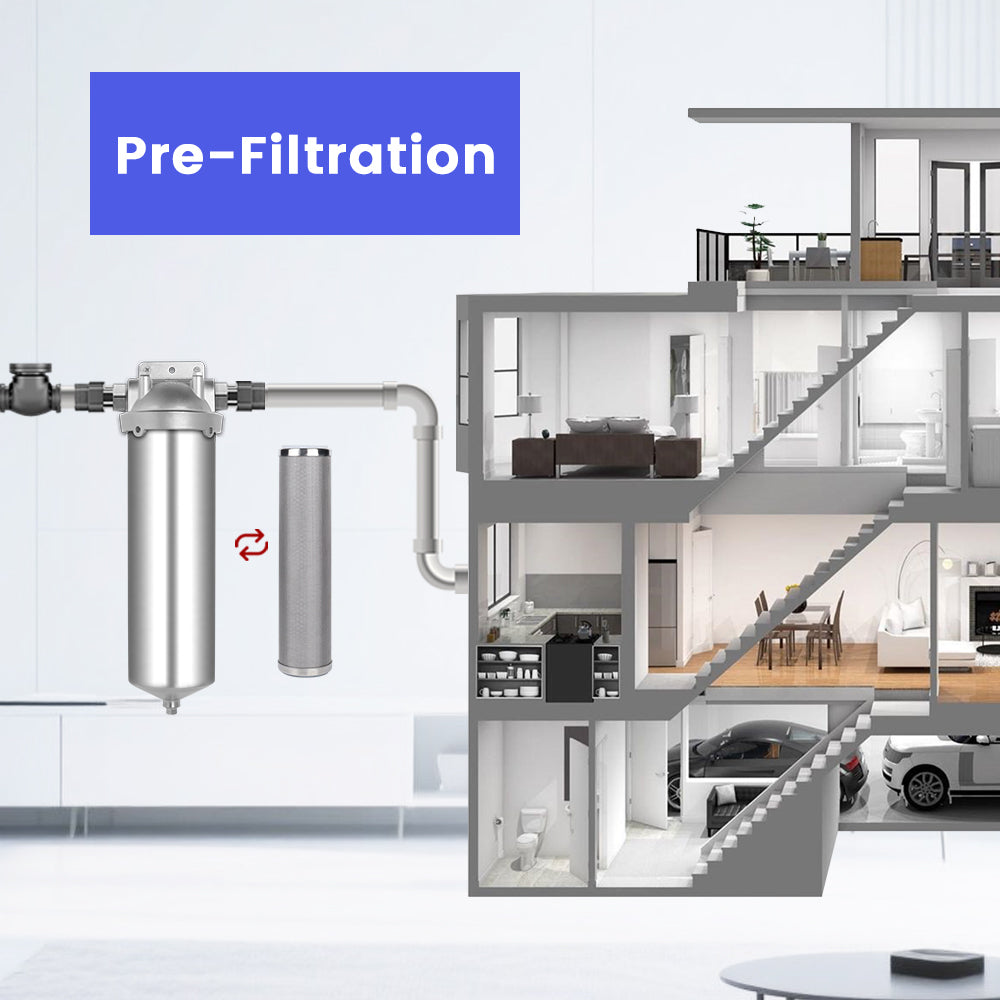
The genius of a whole house system lies in its location. It is typically installed at the main water line, the point where water first enters your house. This allows the system to filter all water before it ever reaches a single faucet or appliance.
The process involves the water passing through specific filter media designed to trap impurities.Many advanced systems use multiple stages of filtration.For example, water might first pass through a sediment filter to remove large particles, followed by an activated carbon stage to remove chemicals, and finally a reverse osmosis membrane for fine purification. The result is a distribution of clean, safe water throughout the entire property.
Features of a Filtration System
When shopping at AMWater Filter, you'll notice that modern systems are built for durability and ease of use.
- Maintainability: Many systems feature replaceable cartridges, making it easy for homeowners to keep the system running efficiently.
- Advanced Tech: Look for features like ultraviolet (UV) light disinfection to kill bacteria without using chemicals.
- Customization: Systems can be "stacked" to address your specific water test results.
- Certifications: Always look for systems certified by reputable organizations like NSF International or the Water Quality Association (WQA) to ensure they meet strict performance standards.
Choosing the Right Whole Home Filter
Selecting a system is a critical decision. You must first consider the specific contaminants you want to remove—this usually requires a water test.
Beyond the "what," you must consider the "how much." Think about the size of your home and the number of people in your household. A system that works for a single person may not have the flow rate necessary for a family of five. You must also ensure the system won't negatively impact your water pressure. Researching different filter media, such as activated carbon vs. sediment, is the best way to determine which is right for your needs.
Whole Home vs. Point-of-Use Systems
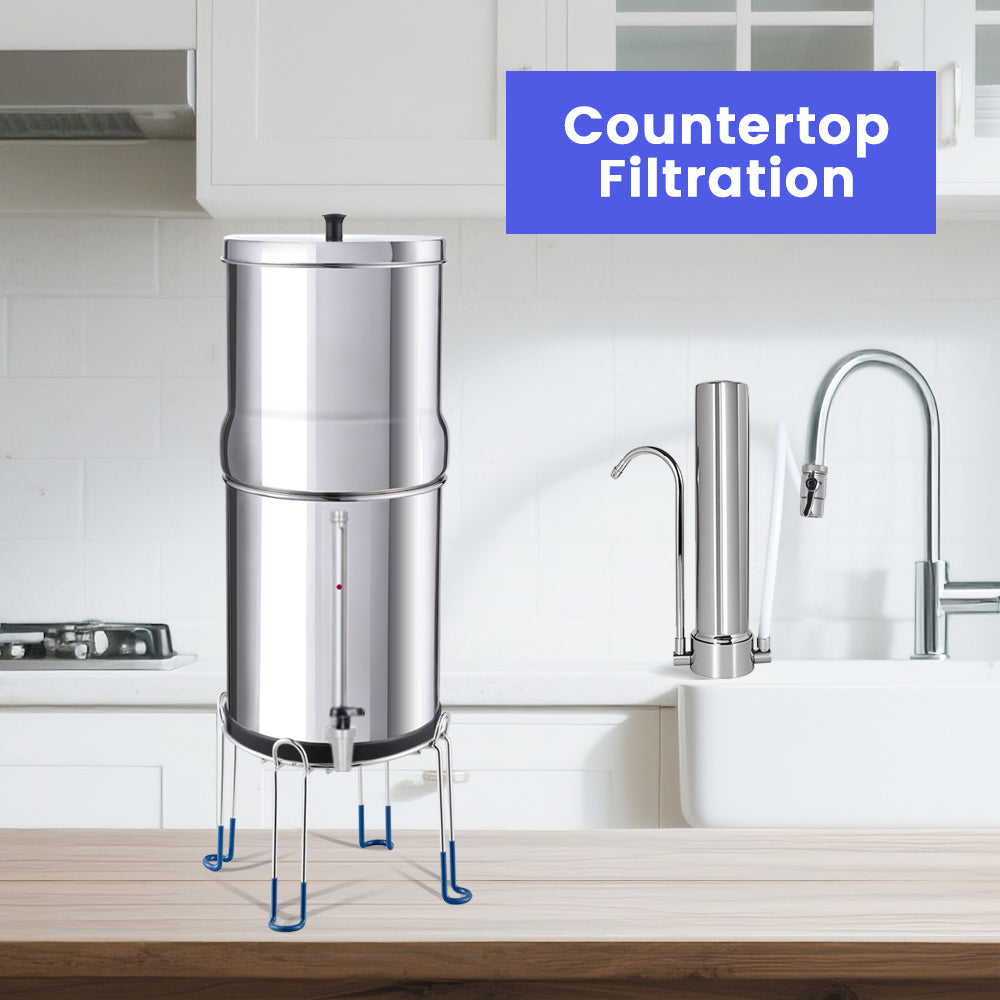
It is important to understand the difference between these two categories. A point-of-use (POU) system, like an under-sink RO or a pitcher, filters water at a single location. While effective for drinking water, they do nothing for your shower or your dishwasher.
Conversely, whole house systems provide more comprehensive protection. They improve the overall quality of water in the entire building and protect your plumbing from corrosion and scale—something POU systems cannot do.For the ultimate setup, some homeowners use a combination: a whole house system for general use and a POU reverse osmosis system at the kitchen tap for "ultra-pure" drinking water.
Improving Taste and Lifestyle
If your water smells like a swimming pool (chlorine) or tastes like metal, these are undeniable signs you need a water filter. A whole house system can significantly improve the sensory experience of your water. By removing these impurities, the water tastes fresher and cleaner.
Activated carbon is particularly effective at removing the "chemical" taste of city water. With a whole house system, you can enjoy that crisp, bottled-water taste from every single faucet in your home, whether you are brushing your teeth or filling a pot for pasta.
Maintenance and Replacement
To keep your water at peak quality, regular maintenance is non-negotiable. You must replace filters according to the manufacturer's recommended schedule to ensure optimal performance.
Some systems may require more frequent cleaning of the filter media depending on the level of sediment in your area. When choosing a system from AMWater Filter, we recommend looking for units with easy-to-replace filters and clear maintenance indicators. Proper upkeep not only ensures safety but also extends the lifespan of the entire filtration unit.
Costs and Installation
The investment in a whole house water filtration system varies based on the size and complexity of the technology. While the initial purchase price is a factor, you should also consider:
- Installation Costs: Some units are DIY-friendly, while complex multi-stage systems may require a professional plumber.
- Ongoing Costs: Factor in the price of replacement filters and any electricity the system might use (such as UV lights).
Consulting with a water treatment professional is the best way to determine which system fits both your needs and your budget.
Common Mistakes to Avoid
When looking for the signs you need a water filter, many homeowners fall into these traps:
Ignoring the Source: Not knowing which specific contaminants are in your water before buying.
Skipping Research: Not understanding how different media (carbon vs. sediment) work.
Undersizing: Buying a system that can't handle the flow rate of a large home.
No Certification: Buying uncertified systems that haven't been proven to work.
Underestimating Upkeep: Forgetting to account for the time and cost of filter replacements.
Conclusion: Take Control of Your Water Today
Recognizing the signs you need a water filter—from bad tastes and smells to dry skin and failing appliances—is the first step toward a healthier home. A whole house water filtration system from AMWater Filter offers a permanent, comprehensive solution that protects your family, your plumbing, and your peace of mind.
Don't wait for your water quality to decline. Explore our range of advanced filtration solutions and ensure that every drop in your home is as pure as nature intended. Visit AMWater Filter today to find the perfect system for your household.


Leave a comment
This site is protected by hCaptcha and the hCaptcha Privacy Policy and Terms of Service apply.