Access to clean, safe, and refreshing water is no longer a luxury—it is a fundamental necessity for a healthy lifestyle. While municipal water treatment facilities work hard to provide water to our homes, the journey through aging pipes can introduce contaminants that affect both taste and safety. This is where advanced clean drinking water systems become essential. At AMWater Filter, we believe that everyone deserves pure hydration, and in this comprehensive guide, we will explore how osmosis filtration and other technologies can transform your tap water.
Introduction to Drinking Water
Discovering the importance of clean drinking water is the first step toward a healthier home. Water is the fuel for every biological process in our bodies, from digestion to cognitive function. However, not all water is created equal. Osmosis filtration systems have emerged as a leading solution for families seeking to eliminate impurities that standard filters might miss.
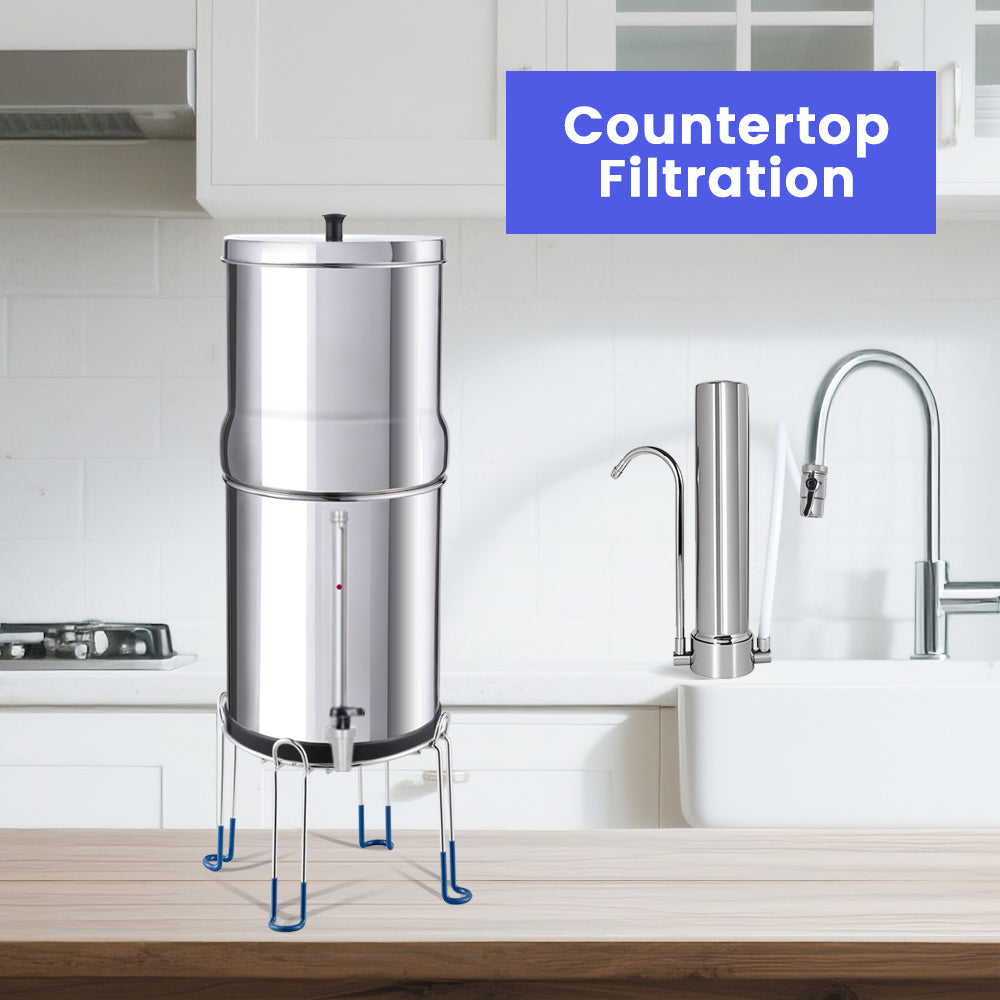
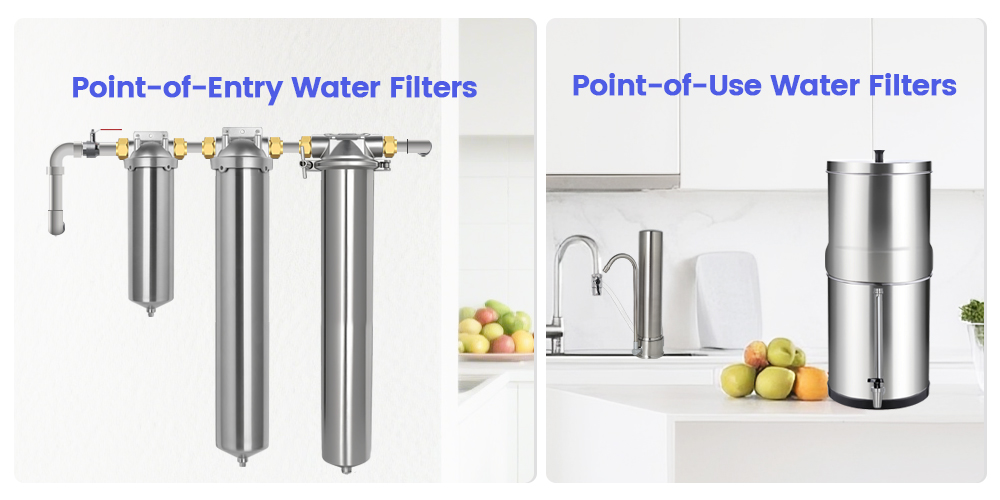
By using a osmosis filtration system, you can enjoy hydration that is not only pure but also refreshing. These systems are designed to improve the taste and quality of your tap water by removing the chlorine, salts, and organic compounds that often cause unpleasant odors or flavors. Whether you are looking for compact osmosis units or comprehensive whole-house water filters, understanding the different types of drinking water systems available is key to choosing the best fit for your family's specific needs.
Understanding Water Quality
To solve a problem, you must first understand it. Many homeowners are unaware of the common contaminants found in tap water. These can include heavy metals like lead and arsenic, as well as harmful chemicals such as PFAS, pesticides, and industrial runoff. The quality of your water directly impacts your long-term health, as chronic exposure to even low levels of these substances can lead to significant issues.
The power of reverse osmosis (RO) technology lies in its ability to remove up to 99% of these contaminants. If you are unsure about the state of your water, we recommend testing your water quality using a TDS (Total Dissolved Solids) meter. A high TDS reading indicates a high concentration of dissolved substances, signaling that an RO or distillation system may be necessary. At AMWater Filter, we provide resources to help you interpret these readings and determine the most effective course of action.
Reverse Osmosis Technology
How does reverse osmosis actually work? It is a sophisticated process where water is pushed under pressure through a semipermeable membrane.This membrane acts as an ultra-fine sieve, allowing only water molecules to pass through while trapping contaminants on the other side.
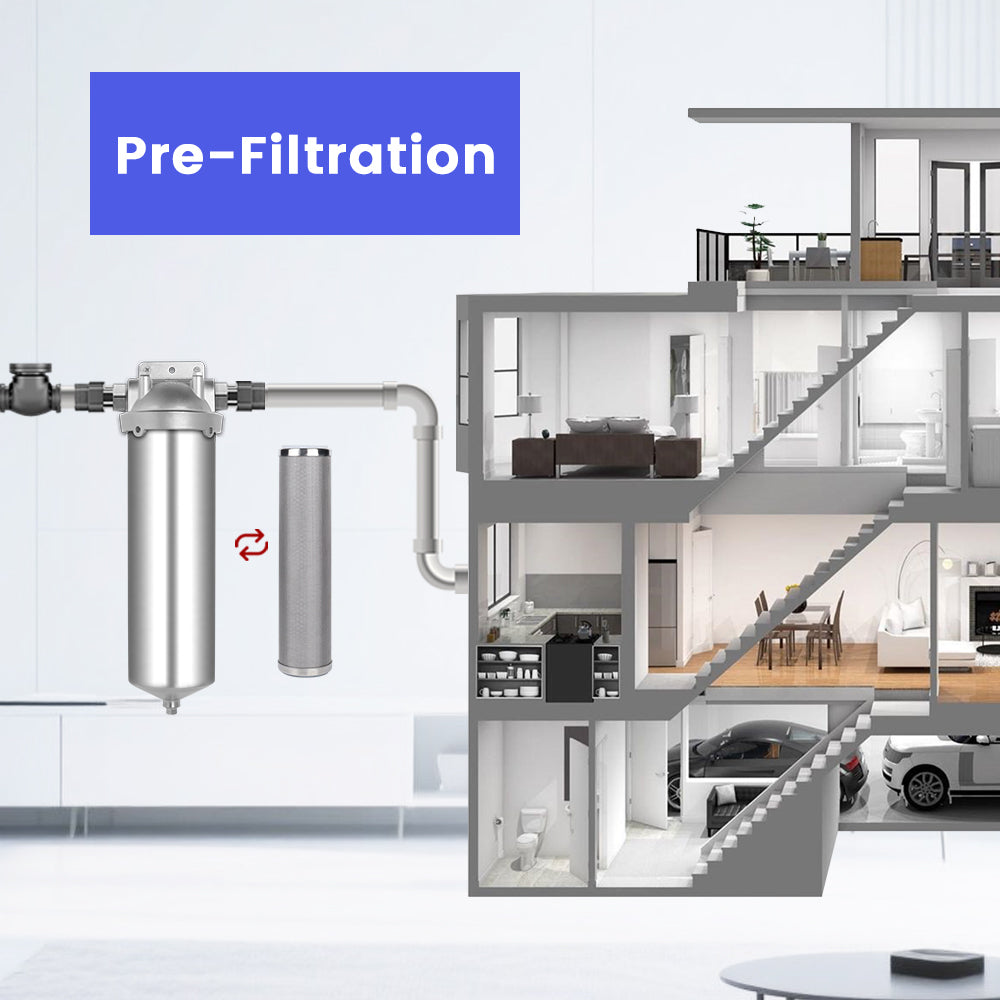
The effectiveness of this technology is often enhanced by pre-filtration. Before water even reaches the RO membrane, it typically passes through sediment and carbon filters to remove larger particles and chlorine, which protects the delicate membrane from damage. To ensure optimal performance, it is vital to learn how to maintain and replace your reverse osmosis filters regularly. Modern innovations have led to various designs, including tankless systems for space-saving under-sink installation and traditional systems with storage tanks for high-volume needs.
Filtration Systems and Water Filters
While reverse osmosis is highly effective, it is just one of many filtration systems available. Other popular methods include activated carbon filtration, which is excellent at removing chlorine and improving taste but may not capture all dissolved solids.
When choosing the best water filter, you must weigh the benefits and drawbacks of each type. For instance, RO systems provide the highest purity but produce some wastewater, whereas carbon filters are faster and waste no water but offer lower filtration depth. Proper installation and regular maintenance are universal requirements—ignoring filter replacement schedules can lead to a buildup of trapped contaminants, eventually reducing the system's effectiveness and potentially allowing bacteria to grow.
Addressing Hard Water Issues
In many regions, the primary water concern isn't just purity, but "hardness." Hard water is caused by high levels of minerals like calcium and magnesium. While not necessarily harmful to drink, hard water wreaks havoc on your home, causing scale buildup in pipes, reducing the lifespan of appliances like water heaters, and leaving spots on dishes.
A water softener is the best solution for these issues. By replacing calcium and magnesium ions with sodium or potassium ions (a process called ion exchange), softeners protect your plumbing and make soaps more effective. You can choose between traditional salt-based systems and salt-free conditioners depending on your preference and maintenance capacity. At AMWater Filter, we help you navigate these choices to find a system that balances performance with ease of use.
Water Filtration Methods Compared
Beyond RO and softening, there are several other methods to consider:
- Distillation: This involves boiling water into steam and then condensing it back into liquid, effectively leaving contaminants behind.
- Ultraviolet (UV) Light: While UV doesn't "filter" particles, it is an incredible secondary stage that neutralizes 99.9% of bacteria and viruses without chemicals.

Understanding the benefits and drawbacks of each—such as the high energy use of distillers or the electricity requirement for UV lamps—will help you select the best filtration method for your home. The ultimate goal is always reducing contaminants to improve overall water quality and safety.
Selecting the Right Drinking Water System
Selecting a system requires a balance of several factors:

Water Quality & Contamination: What exactly are you trying to remove? (e.g., Lead vs. Chlorine).
Budget: Consider both the initial purchase price and the long-term cost of replacement filters.
Household Size: Ensure the system's flow rate (Gallons Per Day) meets your family's consumption.
Research is essential. We encourage you to compare different systems, read verified reviews, and ask for recommendations. Furthermore, always look for NSF and WQA certifications. These standards ensure that the system has been independently tested and proven to perform as advertised.
Types of Systems for Specific Sources
The source of your water—whether it is well water or city water—heavily influences the type of system you need. City water users often focus on removing chlorine and fluoride. In contrast, well water users may deal with higher sediment, bacteria, or heavy metal concentrations, requiring a more robust multi-stage system that includes UV sterilization or specialized iron filters.
No matter the type, installing and maintaining your system correctly is the only way to ensure it functions as intended. AMWater Filter offers a range of units tailored for these diverse water profiles.
System Maintenance and Upkeep
The longevity of your clean drinking water system depends on regular maintenance. A high-quality RO system can last for over a decade if cared for properly. Key steps include:
- Filter Replacement: Sediment and carbon filters should typically be replaced every 6-12 months.
- Membrane Replacement: The RO membrane usually lasts 2-4 years depending on water quality.
- Sanitization: Periodically cleaning and sanitizing the system prevents bacterial growth inside the housing and tanks.
Setting up a maintenance schedule or using digital reminders will ensure you never forget a filter change, keeping your water pure and refreshing year after year.
Safety and Certification Standards
Safety should never be compromised. When selecting a system, confirm that it meets NSF/ANSI standards (such as Standard 58 for Reverse Osmosis).These certifications guarantee that the materials used in the system are safe and that the contaminant reduction claims are accurate.
Additionally, check for safety features like automatic shut-off valves (which stop water flow when the tank is full) and leak detection sensors to prevent accidental water damage in your home. Compliance with local regulations is also a must, especially for whole-house installations.
Conclusion and Recommendations
Choosing a high-quality drinking water system is one of the most impactful investments you can make for your family's health and comfort. A reverse osmosis system remains the "gold standard" for those seeking pure and refreshing hydration, but the right choice always depends on your unique water profile and lifestyle.
To get started, we recommend browsing the curated selection at AMWater Filter. Our team provides extensive resources, including customer support and online tutorials, to help you through every step—from initial selection to long-term upkeep.
Don't settle for "good enough" water. Upgrade to a system that provides peace of mind with every glass. For more information on the latest in water filtration technology, visit our website and let us help you achieve the hydration you deserve.


Leave a comment
This site is protected by hCaptcha and the hCaptcha Privacy Policy and Terms of Service apply.