The safety of our drinking water is something many of us take for granted until a crisis hits the headlines. Among the various pollutants that can infiltrate our taps, lead remains one of the most insidious and dangerous.Unlike many other contaminants, you cannot see, smell, or taste lead in water, making it a "silent" threat to households across the globe.
As infrastructure ages, lead leaching from old pipes, solder, and brass fixtures becomes an increasing concern. For many, the central question is: Can water filters effectively remove lead? The short answer is yes—but the effectiveness depends entirely on the technology used and the maintenance of the system. In this comprehensive review, we will explore the science of lead removal and how Amwater solutions can help protect your home.
Understanding the Lead Contamination Crisis
Lead contamination is a significant concern in tap water, particularly in older residential areas.While the source water from a municipal plant may be lead-free, the journey through miles of lead service lines and home plumbing can introduce this toxic metal into your glass.
The EPA and Health Risks
Despite these known risks, many homes still exceed federal action levels. This makes the use of high-quality water filters not just a luxury, but a critical necessity for reducing lead contamination and ensuring public health.
Why Water Filters are Essential
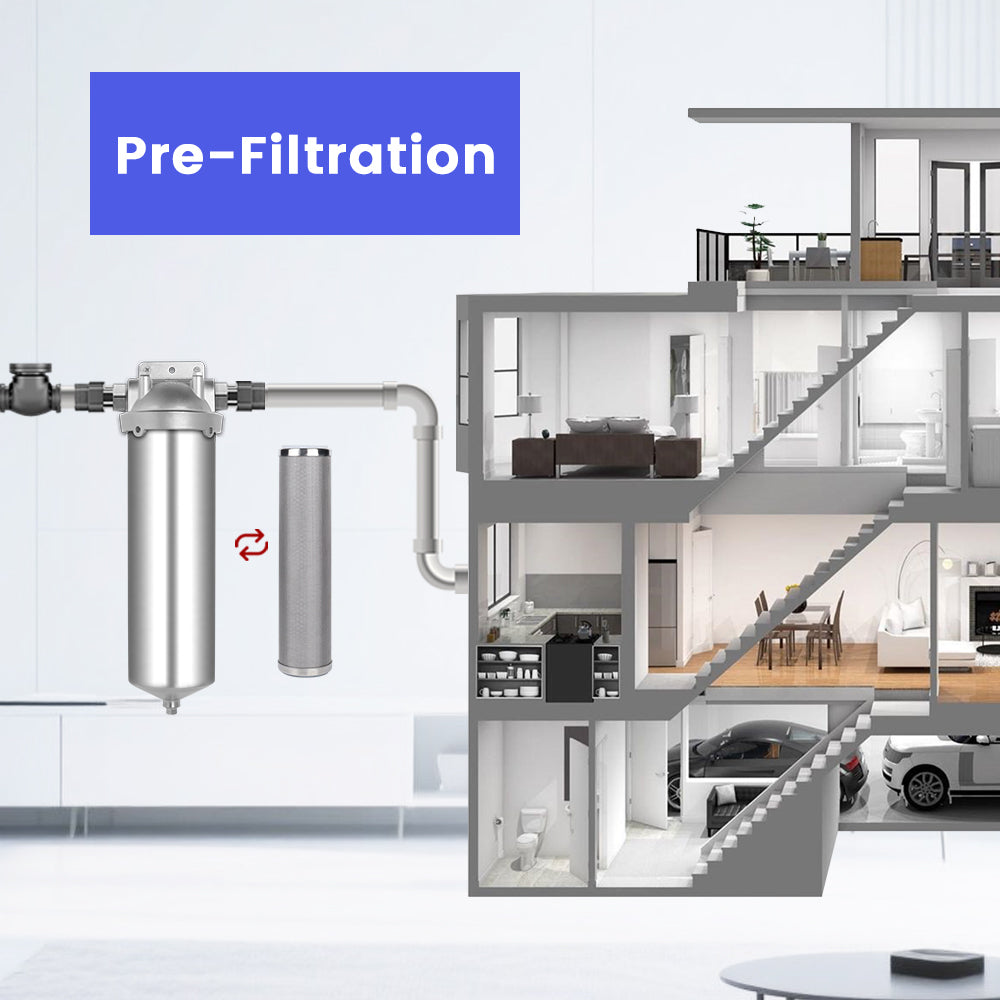
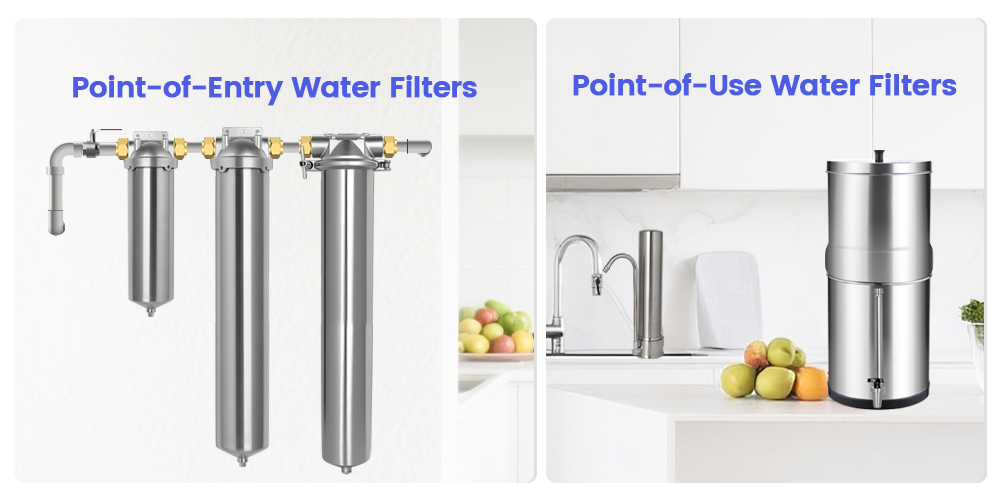
Water filters act as a final line of defense. Even if your city meets all safety standards, a water filter provides a "Point of Entry" or "Point of Use" barrier that catches lead particles and dissolved ions before they reach your body.
Beyond Lead: A Multi-Contaminant Solution
Chlorine and Chloramines: Which affect taste and smell.
Particulate Matter: Such as rust and silt.
Volatile Organic Compounds (VOCs): Chemicals that can linger in municipal water.
By investing in a filtration system, households can significantly reduce their reliance on bottled water, saving money and minimizing the environmental impact of plastic waste.
Types of Water Filters for Lead Removal
There is a dizzying array of options on the market, but not all are created equal when it comes to lead. Understanding the mechanics of each is vital.
Activated Carbon and Carbon Blocks
Activated carbon is a popular choice due to its high surface area and "adsorption" capabilities.However, standard "pitcher" filters often lack the density to capture dissolved lead effectively.
Amwater's Carbon Block Water Filters are engineered for higher performance. By compressing fine carbon powder into a solid block, we increase the "contact time" between the water and the carbon, allowing for the effective removal of heavy metals.
Reverse Osmosis (RO)
Reverse Osmosis is widely considered the gold standard for lead removal. These systems use a semipermeable membrane to strip away up to 99% of all dissolved solids, including lead, mercury, and fluoride.
Whole House Systems vs. Point-of-Use

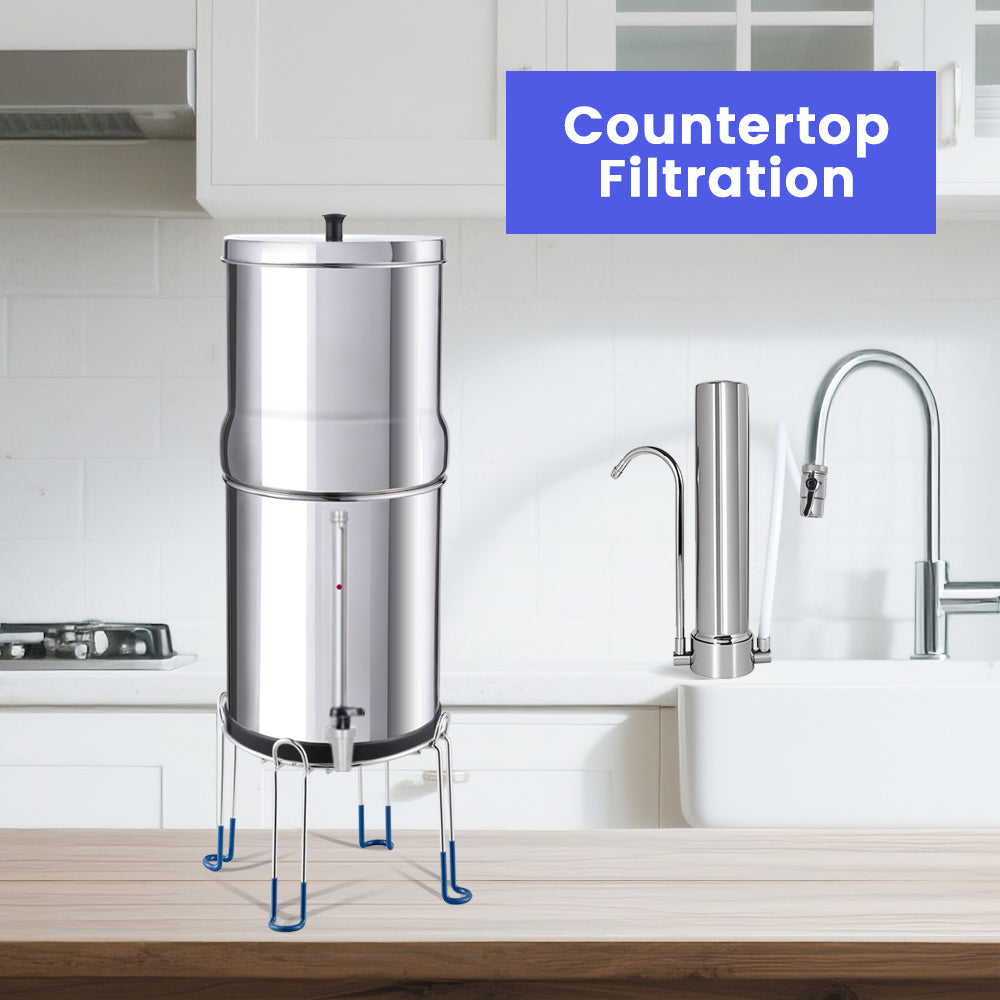
Point-of-Use (POU): Usually installed under the kitchen sink, these are highly effective and cost-efficient for those primarily concerned with drinking and cooking water.
Lead Removal Technologies: The Science
The Power of KDF/GAC Hybrid Filters

KDF (Kinetic Degradation Fluxion): Uses a copper-zinc formulation to create a chemical reaction (redox) that changes lead into an insoluble form that can be physically trapped.
GAC (Granular Activated Carbon): Adsorbs the remaining organic chemicals.
Reverse Osmosis Membranes
RO membranes act like an ultra-fine sieve. Because lead atoms are larger than water molecules, the membrane allows the water to pass through while flushing the lead away as waste. This is highly effective but can be affected by water pressure and flow rate.
Factors Affecting Filter Performance
It is a common misconception that once a filter is installed, the job is done. Several factors can degrade a filter’s ability to remove lead over time:
Water Quality: If your water has high levels of sediment, the "lead-fighting" pores of the filter can become clogged by dirt before they have a chance to catch the lead. This is why we recommend using a Sediment Filter as a pre-filter.
Flow Rate: If water moves too quickly through a carbon block, there isn't enough time for the lead to "stick" to the carbon.
Filter Maintenance: As the filter becomes saturated, it can no longer hold new lead particles. In some cases, a neglected filter can actually release trapped contaminants back into the water stream.
Certification and Standards: Looking for NSF/WQA
NSF/ANSI 53: Specifically for health effects, including lead removal.
NSF/ANSI 58: Specifically for Reverse Osmosis systems.
At Amwater, we pride ourselves on providing professional-grade components that meet the rigorous demands of these industry standards, giving you peace of mind that your family is protected.
Field Studies: Do They Actually Work?
Numerous field studies have confirmed that water filters are a reliable and cost-effective solution for communities facing lead crises.In cities like Flint, Michigan, and Newark, New Jersey, POU (Point-of-Use) carbon filters were distributed to residents and proven to bring lead levels down to non-detectable ranges when maintained properly.
These studies highlight that water filters are not just a "stop-gap" measure but a scientifically sound method for achieving safe drinking water in the face of failing infrastructure.
Removal of Other Contaminants
Chlorine: Removing the chemical taste and smell.
Volatile Organic Compounds (VOCs): Pesticides and herbicides.
PFOA/PFOS: The "forever chemicals" increasingly found in groundwater.
This holistic approach to filtration improves the overall quality of life, from better-tasting coffee to healthier hair and skin.
Maintenance and Replacement: The Key to Safety
To ensure your filter remains a barrier against lead, you must follow a strict replacement schedule.
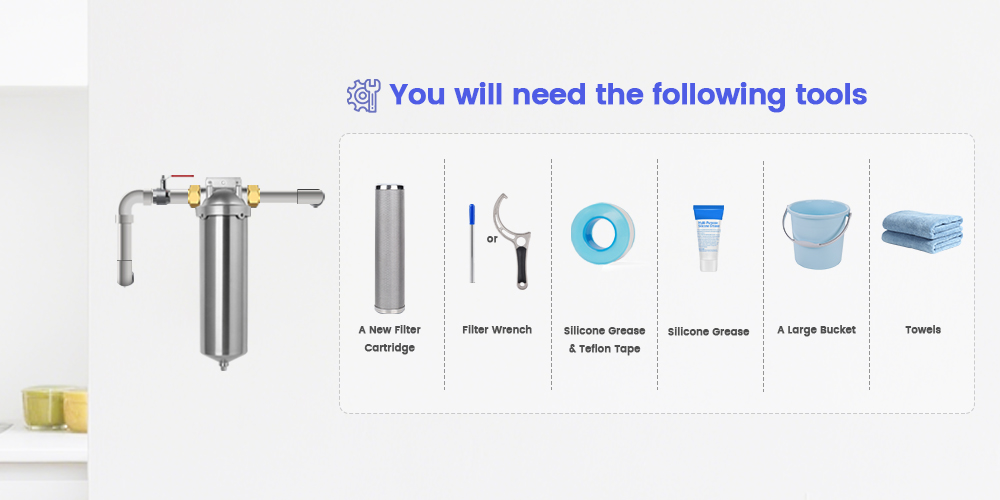
When to Replace Your Cartridge
• Step 1: Use a Filter Wrench to unscrew the housing.
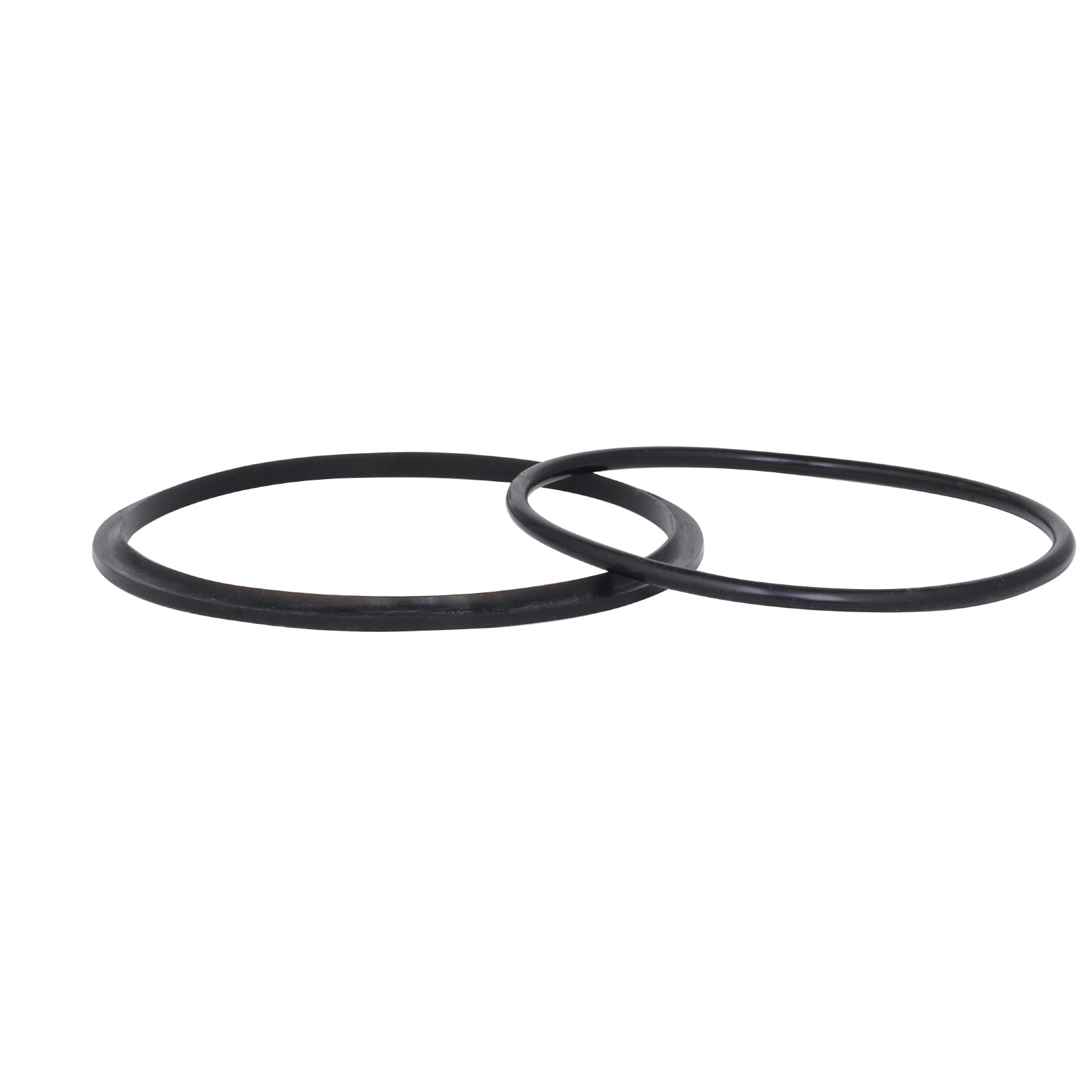
• Step 2: Inspect the O-ring for cracks.
• Step 3: Insert a fresh Amwater Replacement Cartridge.
Proper maintenance extends the lifespan of your filter housing and ensures that your lead-removal efficiency stays at that critical 99.9% mark.
Public Health and Economic Considerations
The Cost of Lead Poisoning
Sustainable Living
Conclusion: Take Control of Your Water Today
However, the "best" filter is one that is certified, correctly installed, and regularly maintained. Lead is a persistent threat, but with the right tools, it is a manageable one. By choosing high-quality filtration components and staying diligent with your replacement schedule, you can enjoy clean, safe, and delicious water every day.


Leave a comment
This site is protected by hCaptcha and the hCaptcha Privacy Policy and Terms of Service apply.