When it comes to improving household wellness, few decisions are as critical as choosing how to purify your drinking water. With hundreds of water filter brands on the market, choosing the right system can feel overwhelming. Every manufacturer claims their technology is superior, but from a purely scientific standpoint, the performance of any system comes down to a single factor: the filter media.
So, which filtration material leads to the best drinking water?
The short answer is that no single material can strip away every contaminant perfectly. The best drinking water is achieved by combining distinct filtration materials designed to target specific pollutants.
In this comprehensive guide, we will analyze the top water filtration materials used in 2026, evaluate their strengths and limitations, and explain how to combine them to create pristine, refreshing water right from your kitchen tap.
Activated Carbon & Catalytic Carbon: The Taste and Chemical Specialists
By far the most popular and time-tested filtration material is Activated Carbon. Derived from organic, high-carbon sources like wood, peat, or coconut shells, this material undergoes extreme thermal treatment to create millions of microscopic pores.
How It Works:
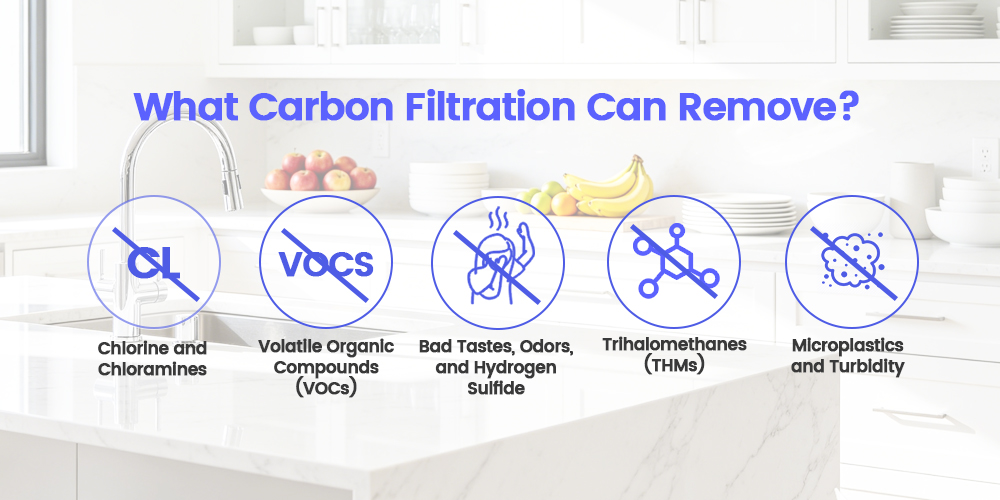
Activated carbon operates through a chemical process called adsorption. Contaminants stick to the massive internal surface area of the carbon matrix like a magnet while letting clean water pass through.
- What it removes: Excellent at removing chemical disinfectants like chlorine, bad tastes, foul odors, volatile organic compounds (VOCs), and pesticides.
- Granular Carbon vs. Carbon Blocks: Granular activated carbon (GAC) uses loose grains, which can allow water to channel through unfiltered. Solid carbon blocks compress the media under high pressure, forcing water through a uniform density to provide vastly superior chemical reduction.
- Catalytic Carbon: This is an advanced, altered form of activated carbon designed specifically to remove chloramines—a stubborn chemical disinfectant increasingly used by municipal water treatments that standard carbon struggles to capture.
Reverse Osmosis (RO) Membranes: The Ultimate Purification Barrier
For pure contaminant rejection, a Reverse Osmosis Membrane is widely considered the most rigorous filtration material available.
How It Works:
RO membranes feature an incredibly tight, microscopic matrix with pore sizes measuring roughly 0.0001 microns. Under high pressure, water molecules are forced through this semi-permeable membrane, while virtually all dissolved solids and larger particles are rejected and flushed down the drain.
- What it removes: Successfully eliminates up to 99% of dissolved salts, heavy metals (like lead, arsenic, and chromium), nitrates, microplastics, and even biological pathogens like bacteria and viruses.
- The Limitation: Because RO is so aggressive, it strips out healthy minerals like calcium and magnesium, rendering the water slightly acidic. Many premium systems include a secondary remineralization stage to add these beneficial minerals back.
Kinetic Degradation Fluxion (KDF): The Electrochemical Protector
KDF is a high-purity copper-zinc formulation that uses a basic chemical process known as redox (oxidation-reduction) to alter the chemical makeup of pollutants.
How It Works:
As water passes through KDF media, an electrochemical reaction takes place. This reaction exchanges electrons with contaminants, converting hazardous heavy metals into harmless compounds.
- What it removes: Highly effective at removing free chlorine, soluble heavy metals (lead, mercury, nickel), and controlling the growth of algae, fungi, and bacteria inside the filter chamber.
- Best Use Case: KDF is a rugged material that works brilliantly at high temperatures, making it a staple in whole-house systems and shower filters to protect downstream carbon media from fouling.
Multi-Media Comparison Matrix
To give you a clear overview of how these filtration materials perform against different water hazards, see our breakdown below:
| Filtration Material | Primary Targets | Key Advantage | Limitation |
| Activated Carbon | Chlorine, VOCs, Odors | Drastically improves taste | Ineffective against dissolved metals |
| Reverse Osmosis | Heavy Metals, Fluoride, Salts | Total purification barrier | Strips healthy minerals; Wastes water |
| KDF Media | Soluble Metals, Free Chlorine | Bacteriostatic; Long-lasting | Requires high contact time |
| Stainless Steel Mesh | Sand, Rust, Large Sediments | Reusable; Protects main filters | Cannot remove chemical toxins |
The Hidden Secret: Why Premium Materials Fail Without Pre-Filtration
Now that you know which filtration material leads to the best drinking water, it is time to address a critical flaw that plagues many household systems: premature clogging.
Advanced carbon blocks and delicate RO membranes are exceptionally precise, but they are highly vulnerable to large, physical debris. If your home's water contains heavy loads of sand, silt, pipe scale, or rust, these large particles will quickly blanket the fine pores of your premium carbon or RO filters. Within weeks, you may notice a massive drop in water pressure, a return of foul odors, and expensive filter cartridges completely ruined long before their expected lifespan.
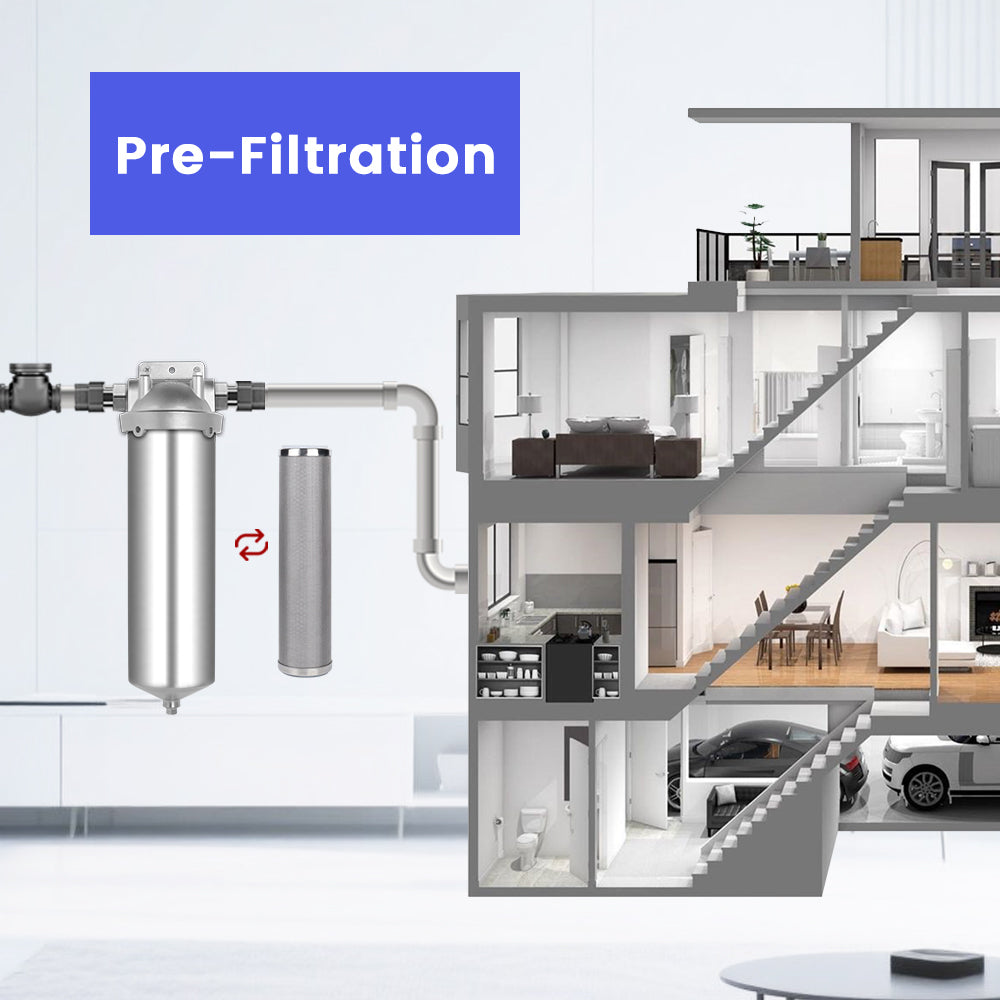
To prevent this, professional water purification requires a dedicated Sediment Pre-Filter at the point of entry.
This is exactly why we designed the AMwater Spin-Down Water Filter.
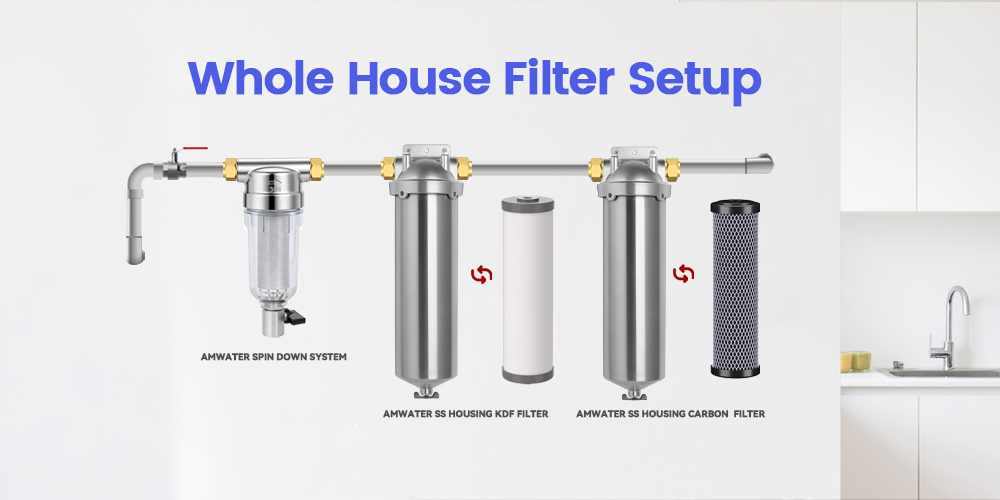
Engineered with a high-performance, food-grade stainless steel mesh screen, the AMwater spin-down system acts as the ultimate gatekeeper for your home. By installing it where water first enters your plumbing, it mechanically traps heavy particles like sediment, dirt, and scale before they can ever reach your delicate under-sink purification systems.
The advanced spin-down design allows you to clear out trapped debris in seconds simply by opening the flush valve at the bottom of the transparent housing—eliminating the need to constantly buy replacement paper or string-wound cartridges. By shielding your advanced carbon blocks and RO membranes from physical wear, the AMwater Spin-Down Water Filter ensures that your secondary filtration materials can focus 100% of their capacity on stripping away microscopic chemicals and heavy metals.
Building the Ideal System Layout for Your Home

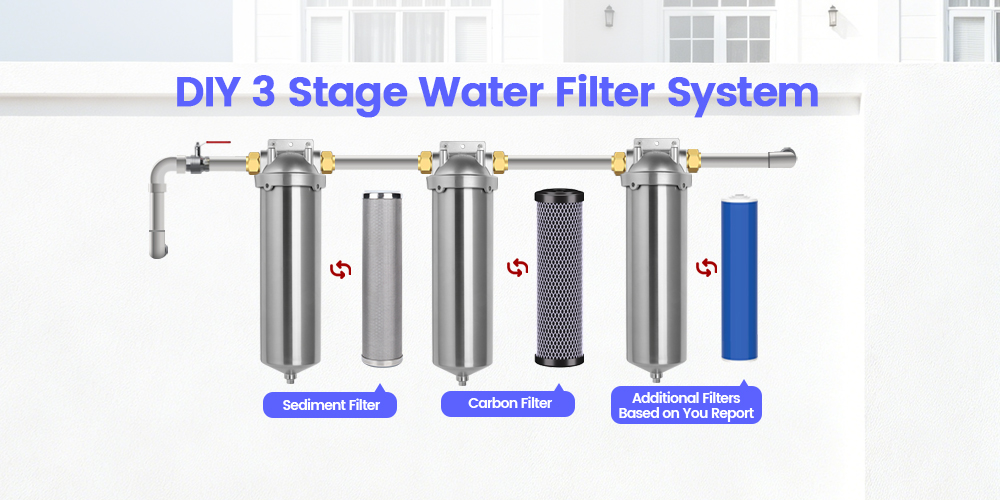
To achieve the absolute highest quality drinking water, your filtration blueprint should follow a strategic multi-tiered structure:
- Phase 1 (The Guard): A physical mesh pre-filter, like the AMwater spin-down system, to capture visible sediment and rust.
- Phase 2 (The Refiner): A KDF or granular media stage to reduce heavy loads of chlorine and protect the system from bacterial slime.
- Phase 3 (The Purifier): A high-density activated carbon block or Reverse Osmosis membrane to capture volatile organic compounds, trace pharmaceuticals, lead, and chemical odors.
This multi-stage layout guarantees that each material does what it does best, resulting in water that is not only completely safe from toxic chemicals but also crystal clear and crisp to drink.
Conclusion: The "Best" Water Comes From Synergy
When asking which filtration material leads to the best drinking water, science proves that a collaborative approach wins every time. Activated carbon provides unparalleled flavor refinement, while membranes deliver deep purification.
However, even the most advanced material requires structural protection to operate efficiently. Take control of your home’s water security by building a system that balances fine chemical extraction with heavy-duty mechanical pre-filtration. Explore the professional-grade plumbing solutions at AMwater today, and extend the life of your filtration system while enjoying pristine, worry-free hydration.

Leave a comment
This site is protected by hCaptcha and the hCaptcha Privacy Policy and Terms of Service apply.