When you begin the journey of improving your home's water quality, you quickly encounter a specific acronym that seems to carry a lot of weight: NSF. In the world of water treatment, an nsf water filter certification is the gold standard of trust. But what does it actually mean for your family, and how do you navigate the different standards for a whole house system?
As we move through 2026, the complexity of water contaminants—from microplastics to forever chemicals—has made the question what is nsf certified water filter more relevant than ever. This guide will break down the science, the standards, and why choosing certified components for your home is a non-negotiable step for long-term health.
What is NSF International?
Before diving into the specific standards, it is essential to understand the organization behind them. Originally known as the National Sanitation Foundation, NSF International is an independent, third-party accredited organization. They do not manufacture products; instead, they develop strict public health standards and provide testing and certification services to ensure products meet these requirements.
Unlike self-reported claims from manufacturers, an nsf water filter certification means that a product has undergone rigorous laboratory testing to prove it does exactly what the label says it does.
The Core Standards for Whole House Water Filtration

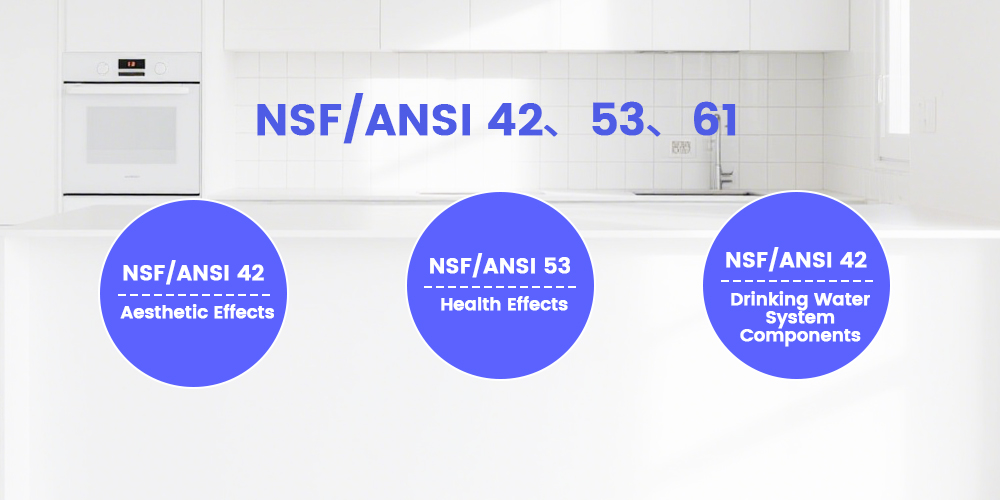
NSF/ANSI 42: Aesthetic Effects
Standard 42 is perhaps the most common. It focuses on the reduction of non-health-related contaminants. While these contaminants aren't necessarily dangerous, they affect the taste, odor, and clarity of your water.
• Chlorine Reduction: The primary focus for most municipal water users.
• Particulate Reduction: Filtering out sediment or rust that clouds the water.
• Iron and Manganese: Elements that can stain your fixtures and affect flavor.
NSF/ANSI 53: Health Effects
This is a more rigorous standard. If a filter is certified under Standard 53, it has been proven to reduce specific contaminants that have a documented health impact. This includes heavy metals like lead, volatile organic compounds (VOCs), and cysts like Giardia. For a whole-house system, achieving Standard 53 certification for the entire flow rate is a significant engineering feat.
NSF/ANSI 61: Drinking Water System Components
Standard 61 is unique because it doesn't measure what the filter takes out, but rather what the filter housing or plumbing adds in. It ensures that the materials used in your water system—like stainless steel or plastic housings—do not leach harmful levels of contaminants (like lead or chemicals) into the water as it passes through.
NSF/ANSI 61: Drinking Water System Components
Standard 61 is unique because it doesn't measure what the filter takes out, but rather what the filter housing or plumbing adds in. It ensures that the materials used in your water system—like stainless steel or plastic housings—do not leach harmful levels of contaminants (like lead or chemicals) into the water as it passes through.
Why Materials Matter: The Role of Durable Housing
In a whole-house setup, the filter housing is the unsung hero. It must withstand the constant pressure of your home’s main water line 24/7. This is where high-quality engineering meets certification.
If you are looking for a compact solution, the 10 inch water filter housing from AMWater Filter is a prime example of a component designed for structural reliability. When these housings are built to meet rigorous standards, they ensure that your filtration system won't become the weakest link in your plumbing, preventing leaks and bursts while maintaining the purity of the water inside.
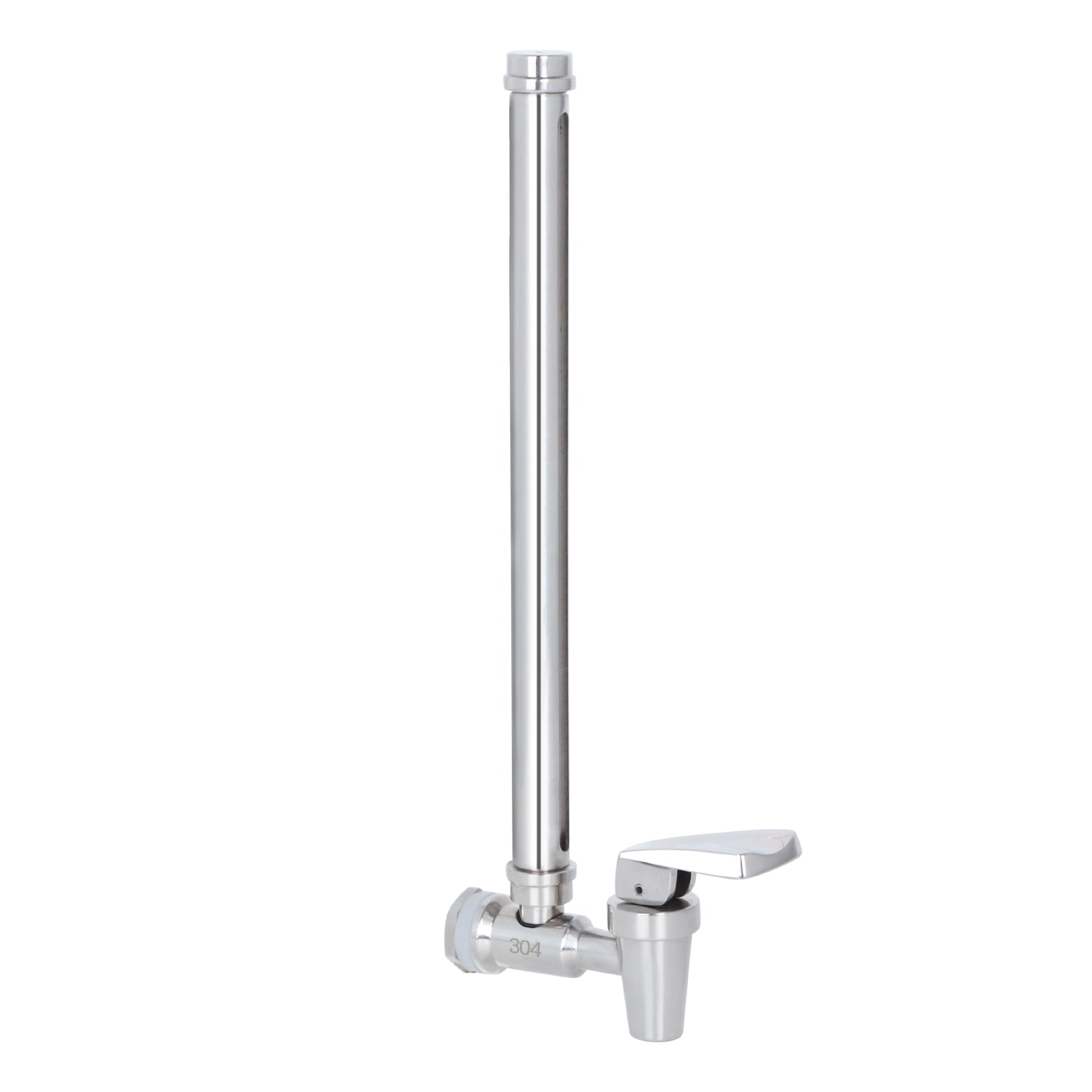
For those prioritizing maximum durability and chemical resistance, a metal-based approach is often superior. The 5 inch stainless steel whole house water filter available at AMWater Filter utilizes 304 or 316L stainless steel. Stainless steel is often the preferred material for meeting NSF/ANSI 61 requirements because it is inherently resistant to leaching and can handle higher pressure spikes than standard plastic housings.
How to Verify an NSF Water Filter Certification
1. Check the Official Database: Visit the NSF International website and search for the manufacturer’s name. If they aren't in the database, they aren't certified.
2. Look for the Mark: Genuine certified products will carry the NSF mark on the product or packaging.
3. Read the Fine Print: A filter might be certified for Standard 42 (taste/odor) but not Standard 53 (health). Make sure the certification covers the specific contaminants you are concerned about.
What is NSF Certified Water Filter vs. WQA?
You might also see a Gold Seal from the Water Quality Association (WQA). The WQA is another accredited third-party organization that tests products against the exact same NSF/ANSI standards. If a product is WQA certified to NSF/ANSI 61, it has met the same rigorous requirements as if it were tested by NSF themselves. Both are highly respected and offer the same level of consumer protection.
The Benefits of Whole House Filtration vs. Point-of-Use
• Protecting Appliances: Certified sediment filters prevent grit from ruining your dishwasher and water heater.
• Healthier Showers: Reducing chlorine at the main entry point means you aren't breathing in chlorine vapors or absorbing chemicals through your skin while showering.
• Consistent Quality: Whether you are brushing your teeth or washing vegetables, the water is consistently safe.
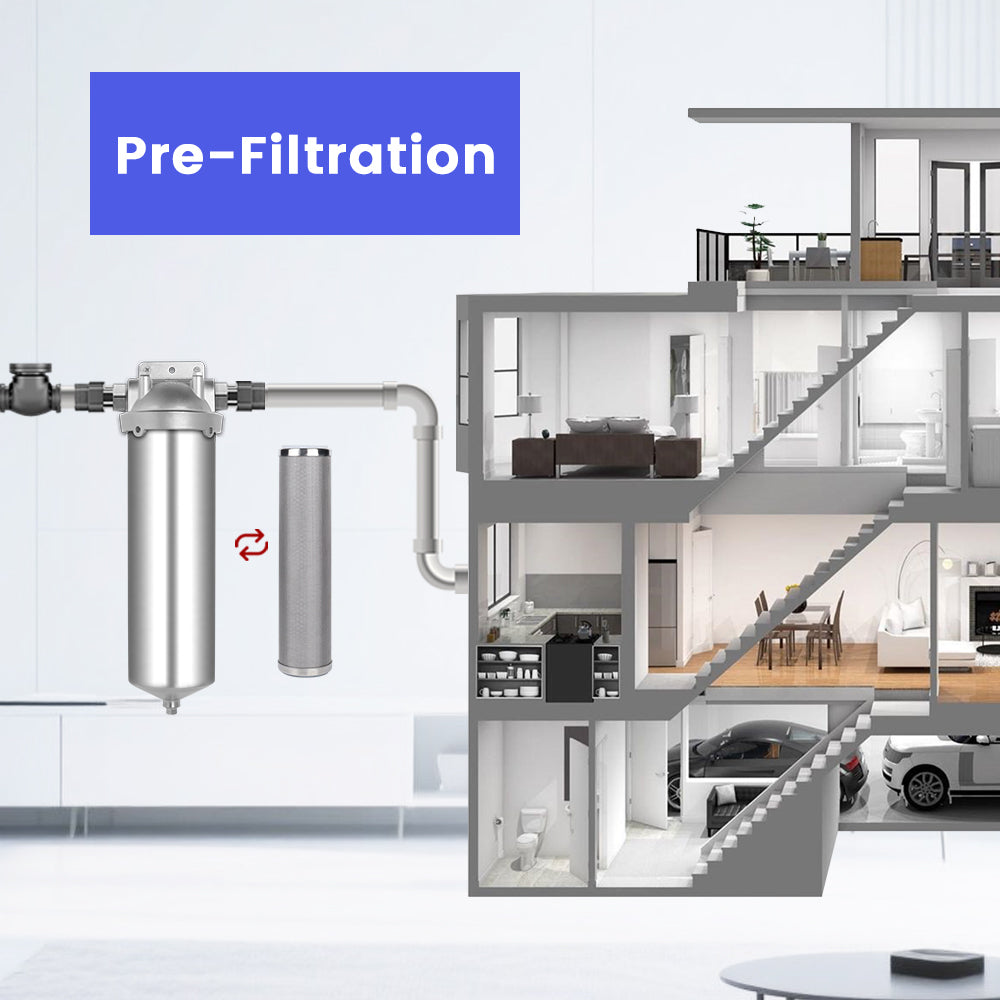
Using a robust component like the 5 inch stainless steel whole house water filter as a pre-filter can significantly extend the life of more expensive downstream appliances or specialized filtration membranes.
Common Contaminants Addressed by Certified Systems
In 2026, we are seeing a shift in focus toward complex contaminants. Here is a quick look at what modern certified filters are targeting:
|
Contaminant |
Standard Involved |
Why it Matters |
|
Chlorine |
NSF 42 |
Affects taste/odor and dries out skin. |
|
Lead |
NSF 53/61 |
Neurotoxin, especially dangerous for children. |
|
PFAS/PFOA |
NSF 53/P473 |
The forever chemicals found in many water supplies. |
|
Particulates |
NSF 42 |
Sand and rust that can clog plumbing. |
Investing in Your Home's Future
Furthermore, standardized sizes like the 10 inch water filter housing allow for versatility. You can switch between carbon blocks, sediment filters, or specialized resin cartridges depending on your local water report, all while knowing the housing itself meets the necessary structural standards.
Conclusion: Making the Right Choice
Don't settle for claims—look for the certification. Whether it is a simple sediment housing or a sophisticated stainless steel system, the peace of mind that comes with third-party verification is priceless.


Leave a comment
This site is protected by hCaptcha and the hCaptcha Privacy Policy and Terms of Service apply.