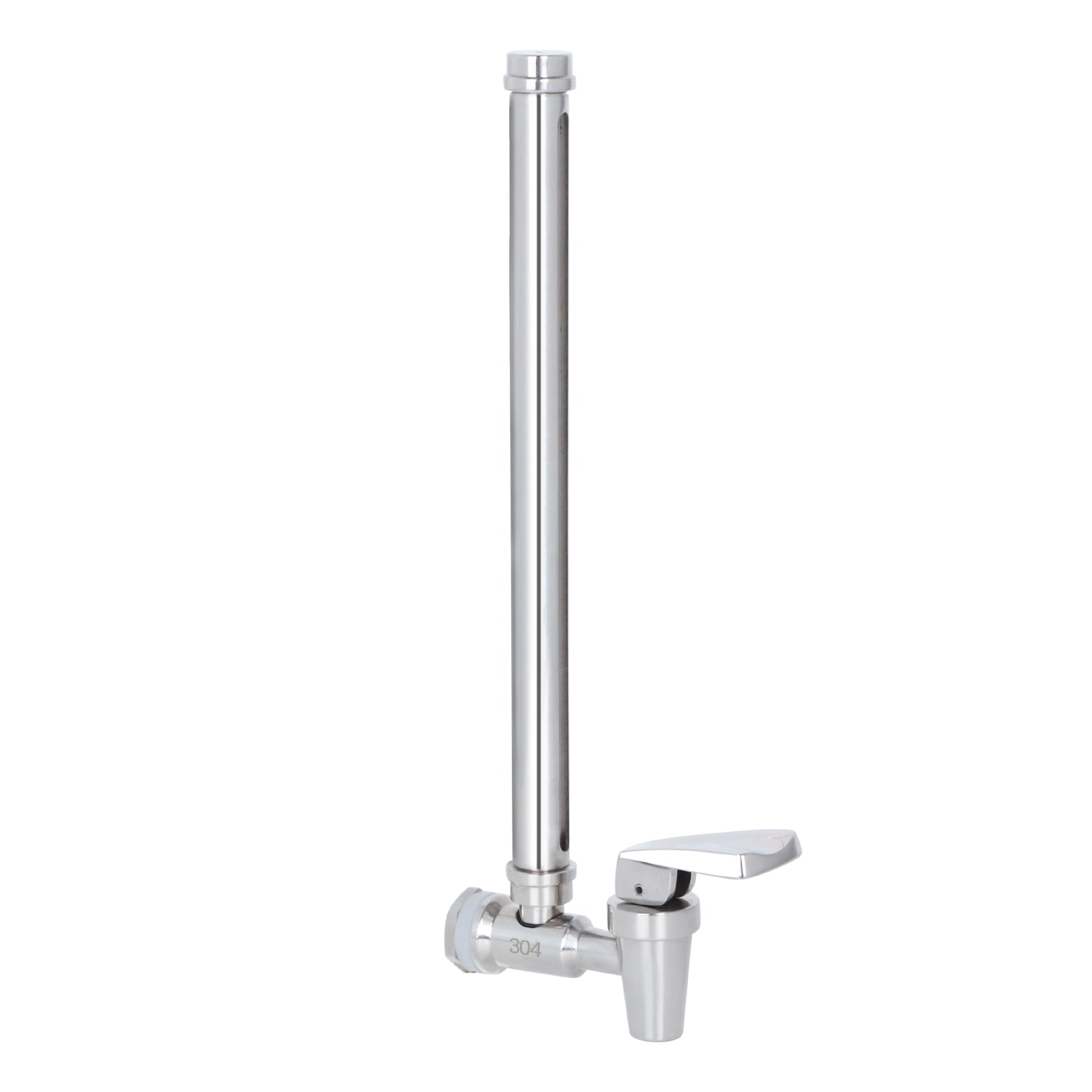

Clean water is the lifeblood of a healthy home. From the ice cubes in your glass to the water running through your high-end appliances, the quality of your filtration system dictates the longevity of your plumbing and the well-being of your family. However, the market for water treatment is vast and often confusing. Simply searching for a filter isn't enough; you need a system that aligns with your specific home environment and water chemistry.
At Amwater, we believe that an informed homeowner is a protected homeowner. Drawing from industry standards set by organizations like the NSF and field expertise in water treatment, we have narrowed down the six most critical factors you must evaluate before making an investment in a whole-home system.
Understand Your Specific Water Chemistry
You cannot solve a problem you haven't defined. The first step in any water treatment journey is a comprehensive water quality report. If you are on a municipal city line, your provider is required to publish an annual Consumer Confidence Report (CCR), which details the levels of regulated contaminants like chlorine, lead, and fluoride. However, for those on private wells, the responsibility falls entirely on the homeowner to test for bacteria, nitrates, and heavy metals.
Common issues include:
• Hardness: High calcium and magnesium levels that cause scale buildup.
• Sediment: Visible dirt, sand, or rust particles.
• Chemical Disinfectants: Chlorine or chloramines used by cities to kill bacteria, which can dry out skin and ruin the taste of food.
• Heavy Metals: Lead or copper leaching from aging pipes.
Once you know exactly what is in your water, you can choose a filter media specifically designed to neutralize those threats. A one-size-fits-all approach often results in either under-treating dangerous contaminants or over-spending on features you don't need.
Flow Rate and Water Pressure Requirements
A common mistake homeowners make is buying a filter based solely on its purification capabilities while ignoring the mechanical demands of their plumbing. The flow rate of your filtration system—measured in Gallons Per Minute (GPM)—must match or exceed the peak demand of your household.
If your system's GPM is too low, you will experience a significant drop in water pressure. Imagine trying to take a shower while the dishwasher is running, only to have the water turn into a weak trickle because the filter housing acts as a bottleneck.
For smaller homes or targeted pre-filtration, a 10 inch water filter housing is a standard and effective choice. However, for larger families with multiple bathrooms, you may need a high-flow system or multiple housings in parallel to ensure that every tap receives full pressure without compromise.
Material Durability: Plastic vs. Stainless Steel
The filtration unit is the first point of contact for the water entering your home. It sits under constant pressure, 24 hours a day. Therefore, the structural integrity of the housing is paramount.

• Plastic (Polypropylene) Housings: These are cost-effective and resistant to corrosion. They are excellent for standard residential use and allow for easy visual inspection if you use clear variants.
• Stainless Steel Housings: For those seeking the ultimate in longevity and safety, stainless steel is the professional choice. Our 5 inch stainless steel whole house water filter at is engineered to withstand higher pressure spikes and resists the chemical degradation that can sometimes affect plastics over decades of use.
Stainless steel is also non-porous and incredibly hygienic, making it an ideal material for those concerned about biofilm or bacterial growth within the filtration unit itself.
Maintenance Costs and Filter Longevity
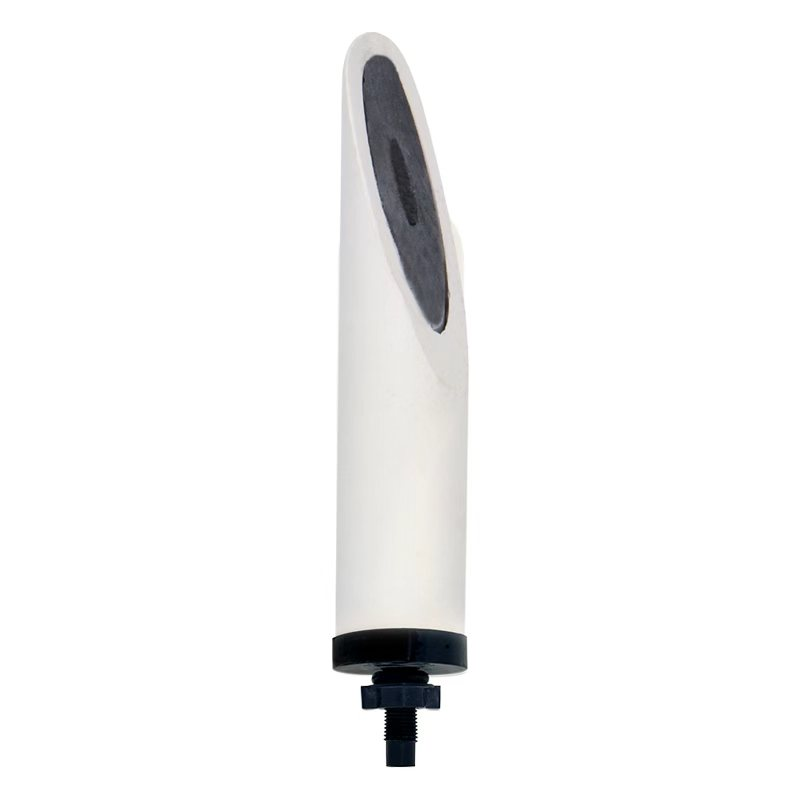
Some systems use expensive, proprietary filters that can only be purchased from one manufacturer. Others utilize universal sizes, such as the widely available 10 inch water filter housing cartridges. Choosing a system with universal compatibility, like those offered by , ensures you can find replacement carbon blocks or sediment pleated filters easily and at a competitive price.
Ask yourself:
1. How often do the filters need changing? (Usually every 6 to 12 months).
2. How much does a full set of replacement filters cost?
3. Is the filter change process DIY-friendly, or does it require a plumber?
Certification and Third-Party Testing
In the water industry, marketing claims can be bold. Phrases like removes 99% of all toxins are common, but without third-party verification, they are just words. Always look for certifications from the NSF (National Sanitation Foundation) or the WQA (Water Quality Association).
These certifications, such as NSF/ANSI 42 (Aesthetic Effects) or NSF/ANSI 53 (Health Effects), prove that the system has been laboratory-tested to perform exactly as advertised. When you see a certified 5 inch stainless steel whole house water filter, you know the material has been vetted for safety and the filtration claims are backed by rigorous science. This level of transparency is what separates professional-grade equipment from budget alternatives.
Installation Space and Location
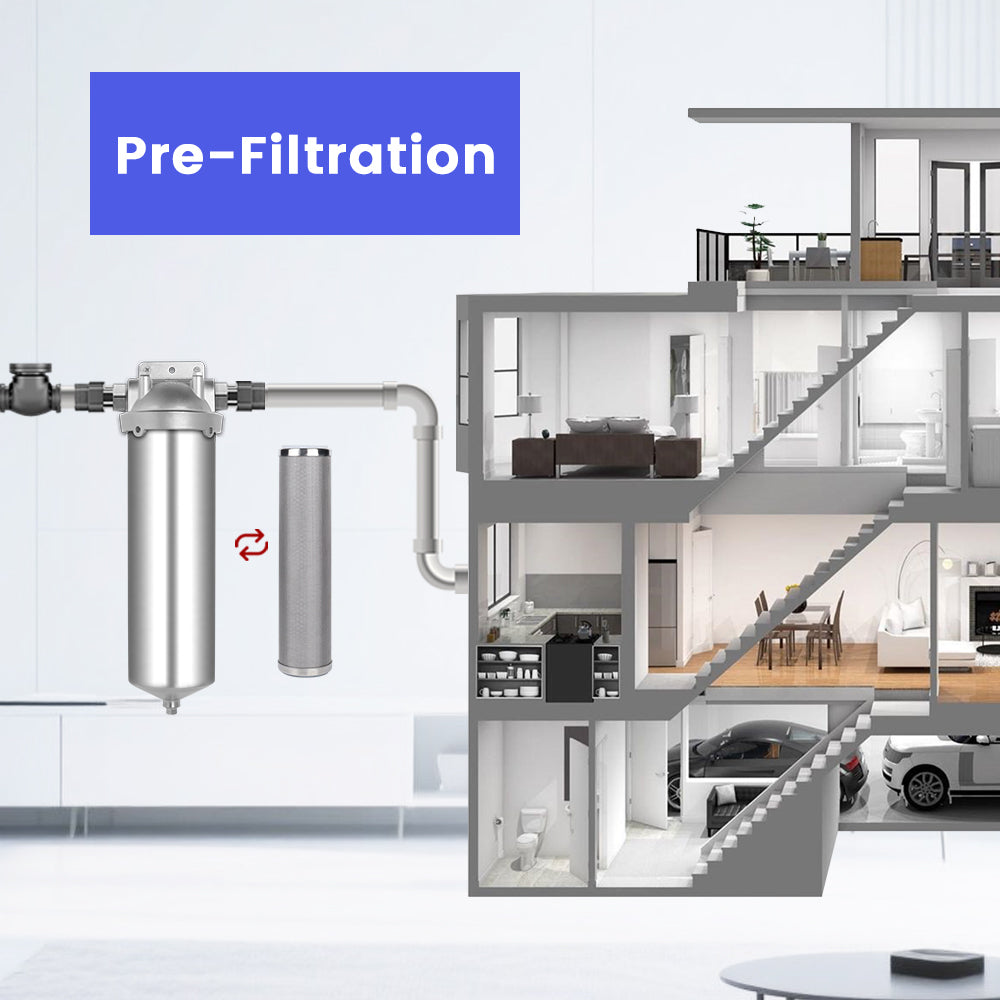
A whole-home filtration system must be installed at the Point of Entry (POE), usually near your main water shut-off valve or pressure tank. Before purchasing, measure the available footprint.
Whole house systems can range from a single compact housing to a massive three-stage rack. If space is at a premium, a compact yet durable 5 inch stainless steel whole house water filter can provide high-efficiency sediment removal without taking up an entire wall. Additionally, ensure the location is accessible for maintenance; if it is too difficult to reach, you are less likely to change the filters on time, which can lead to bacteria buildup and reduced water quality.
Why Choose AMWater Filter for Your Home?
At , we specialize in providing the building blocks for a safer home. We understand that every household has different needs, which is why we focus on high-quality, durable components that give you control over your water.
Our 10 inch water filter housing products are designed for versatility, allowing you to customize your filtration stages based on your specific water report. For those who prioritize a chemical-free, high-durability setup, our stainless steel options offer a lifetime of reliable service.
Final Checklist Before You Buy:
• Test: Do I have a recent water quality report?
• Measure: What is the GPM flow rate of my home?
• Space: Where will the system sit, and is there room for maintenance?
• Budget: Have I factored in the annual cost of replacement cartridges?
• Quality: Are the materials, like stainless steel or reinforced plastic, built to last?
Investing in a whole-home water filtration system is one of the best decisions you can make for your property. It protects your skin, your hair, your coffee, and your expensive appliances from the harsh realities of modern tap water. By focusing on these six considerations, you can move forward with confidence, knowing you have chosen a system that will serve your home for years to come.


Leave a comment
This site is protected by hCaptcha and the hCaptcha Privacy Policy and Terms of Service apply.