Water is the lifeblood of the home, used for everything from drinking and cooking to bathing and cleaning. However, the water that travels through city pipes or sits in private wells is often far from pure. From aging infrastructure to industrial runoff, numerous hidden threats can compromise your family's health.
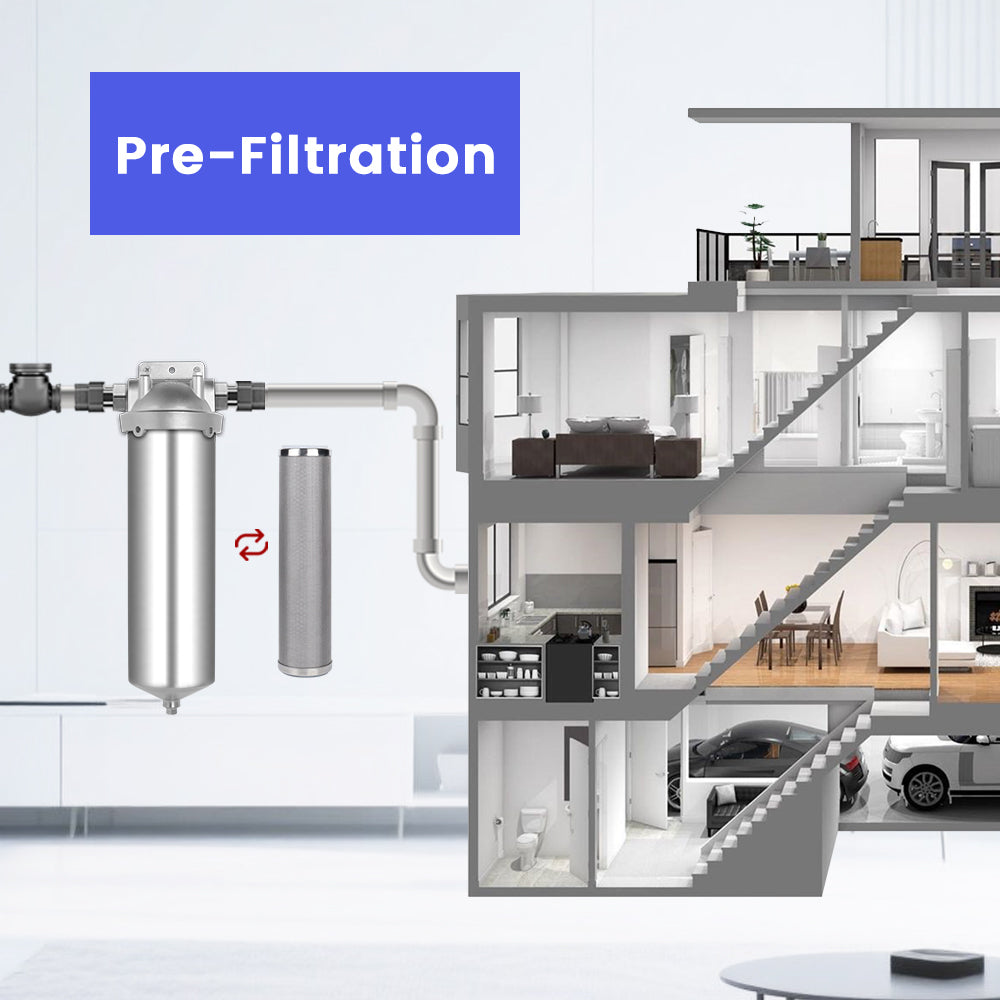
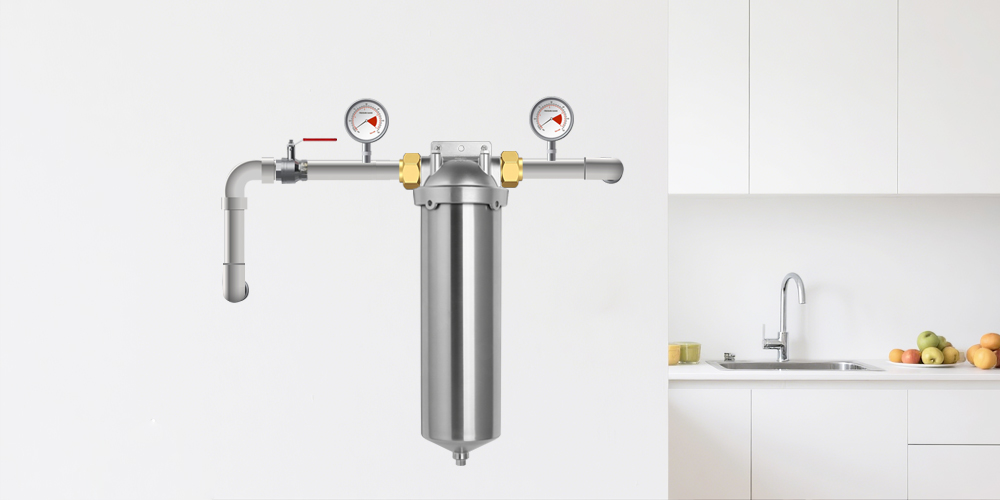
At Amwater Filter, we specialize in providing high-performance filtration solutions designed to tackle these challenges head-on. A whole house water filter is your first line of defense, acting as a comprehensive shield for your entire property. In this guide, we will explore exactly what these systems can remove and why they are an essential investment for the modern home.
Introduction to Whole House Water Filters
Types of Contaminants Removed
Physical Sediment and Debris
Toxic Heavy Metals and Chemicals
Biological Microorganisms
How Whole House Water Filters Work

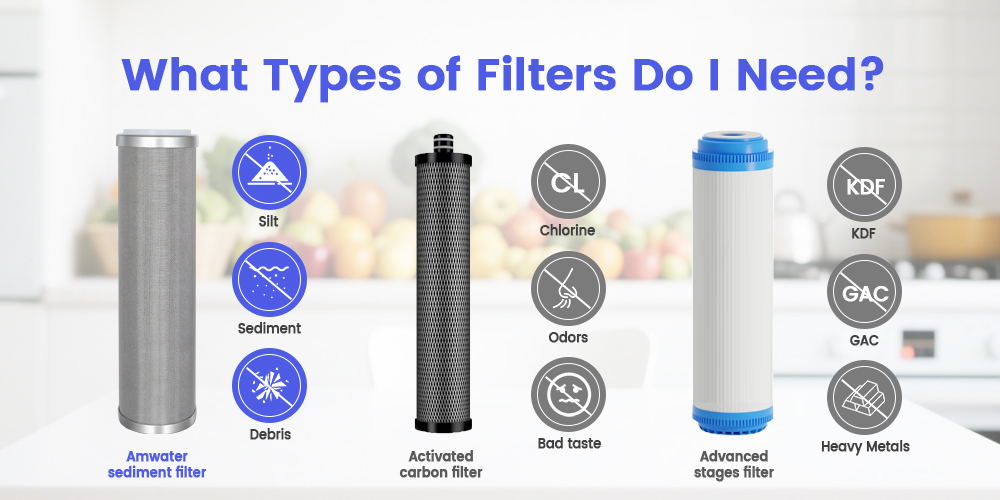
- Sediment Filtration: The first stage traps large particles like silt and scale.
- Activated Carbon: This is the workhorse of the system, using a process called adsorption to pull chemicals, chlorine, and odors out of the water.
- Advanced Stages: Higher-end models may include Ion Exchange (for softening), Reverse Osmosis (for total dissolved solids), or UV Light (to sterilize bacteria).
The Benefits: More Than Just Clean Water
- Taste and Smell: Your coffee, tea, and home-cooked meals will taste better without the lingering scent of bleach or metallic undertones.
- Plumbing Longevity: By removing sediment and scale-forming minerals, you protect your pipes, water heater, and dishwasher from premature failure.
- Skin and Hair Health: Chlorinated water can strip natural oils from your body. Filtering this out at the source leads to softer skin and healthier hair.
- Property Value: A built-in water treatment system is a major selling point for modern homebuyers who prioritize wellness and infrastructure quality.
Filtration Technologies for Maximum Removal
- Reverse Osmosis (RO): Uses a semipermeable membrane to remove up to 99% of impurities, including salts and minerals.
- Activated Carbon: Highly porous material that excels at absorbing organic chemicals and pesticides.
- Ultraviolet (UV) Light: A chemical-free way to deactivate the DNA of germs and microorganisms, making them harmless.
Understanding Water Treatment Volume
Maintenance and Replacement
- Cartridge Changes: Most sediment and carbon filters need replacement every 6 to 12 months. If your water flow starts to drop, it’s usually a sign that the filter is full and doing its job.
- System Checks: Periodically inspect the housing for leaks or signs of wear. Following the manufacturer's guidelines ensures that your Amwater Filter system will protect your home for decades.
Regulation and City Water Contaminants
In the United States, the EPA sets standards for public water systems. However, these regulations often allow for "acceptable" levels of certain chemicals, and they cannot protect against contaminants that enter the water after it leaves the treatment plant (such as lead from your city's aging service lines).
City water is frequently treated with high levels of chlorine or chloramine to kill germs. While necessary for transport, you don't want to drink these chemicals. A whole house filter removes these disinfectants the moment they arrive at your property.
The Importance of Testing Your Water
Before you buy a system, you must know what you are fighting. Water quality can change from one neighborhood to the next.
- Well Water: Often high in iron, manganese, and sulfur (rotten egg smell).
- City Water: Typically high in chlorine, fluoride, and hardness.
You can use a home test kit or a professional laboratory service. Once you have the results, the team at Amwater Filter can help you select the exact system to target your specific "red flag" contaminants.
Understanding Pore Size and NSF Ratings

When comparing filters, look at two technical specs: Pore Size and NSF Ratings.
- Pore Size: Measured in microns. A 5-micron filter removes visible sediment.A 0.5-micron filter can stop many cysts and bacteria.
- NSF Certification: This is the gold standard in the industry. It proves that the filter has been independently tested to remove the contaminants it claims to remove. At Amwater Filter, we prioritize components that meet these rigorous safety standards.
Removing Germs and Microorganisms
If you live in an area prone to boil-water advisories or use a private well, removing microorganisms is a top priority. While carbon filters are great for chemicals, they aren't always enough for viruses. Adding a UV Filtration stage to your whole house setup provides a final "kill step," ensuring that your water is biologically safe without adding any harsh chemicals to the supply.
Troubleshooting Common Issues
Sometimes, users experience issues like a sudden drop in water pressure. This is rarely a fault of the system and usually a sign that the filter is clogged with sediment—meaning it just saved your plumbing from that debris!
- Reduced Pressure: Replace the pre-filter cartridge.
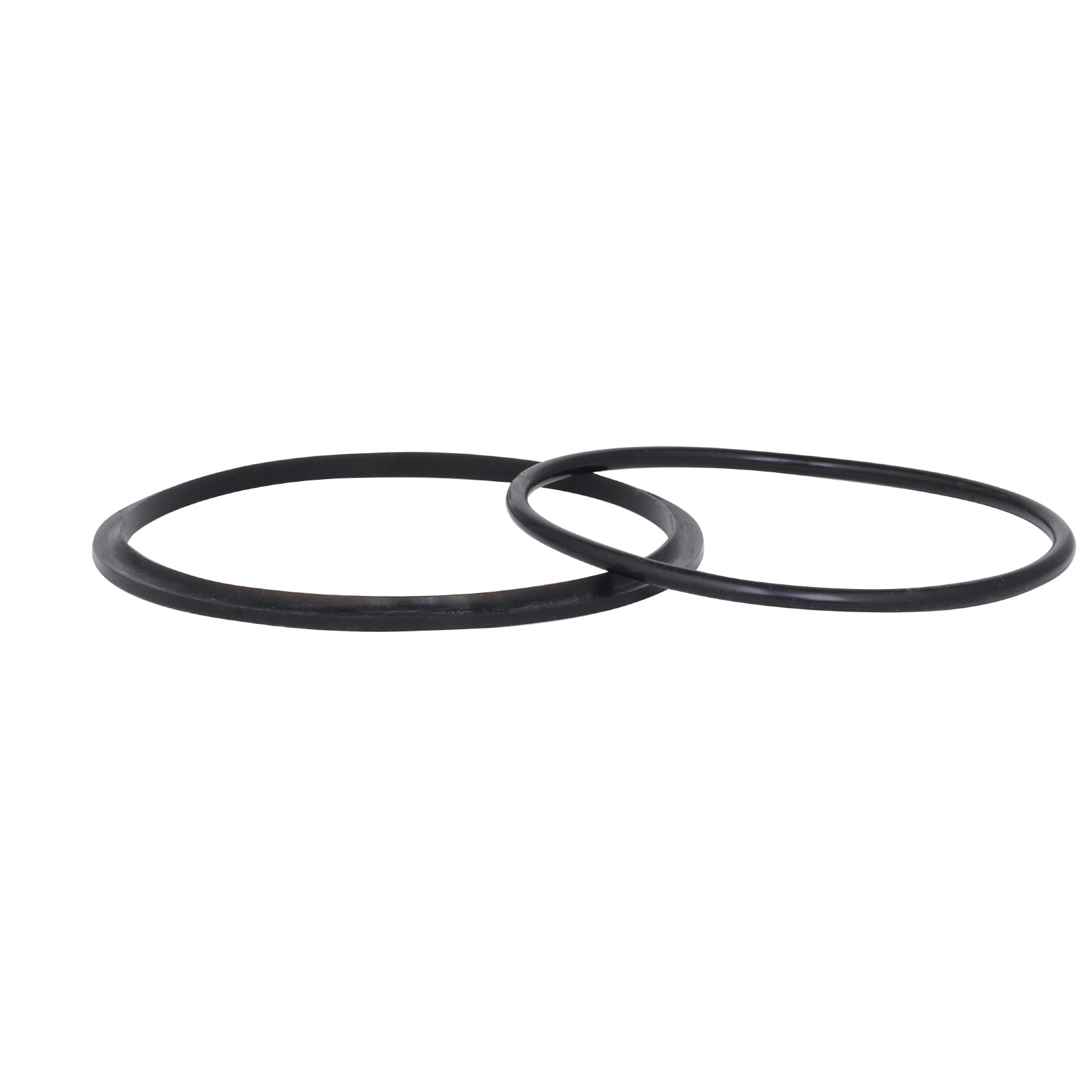
- Leaks: Check the O-rings in the filter housing; they may need lubrication or replacement.
- Cloudy Water: This is often just trapped air after a filter change and will disappear after running the water for a few minutes.
Conclusion
A whole house water filter is more than a luxury; it is a fundamental upgrade to your home’s infrastructure. By removing everything from heavy metals and "forever chemicals" to foul-smelling chlorine and dangerous bacteria, you ensure that every tap in your house delivers nothing but pure, healthy water.
At Amwater Filter, we are committed to helping you find the perfect solution for your family's needs. Don't leave your health to chance or rely on the minimum standards of city treatment plants. Take control of your water quality today.

Leave a comment
This site is protected by hCaptcha and the hCaptcha Privacy Policy and Terms of Service apply.