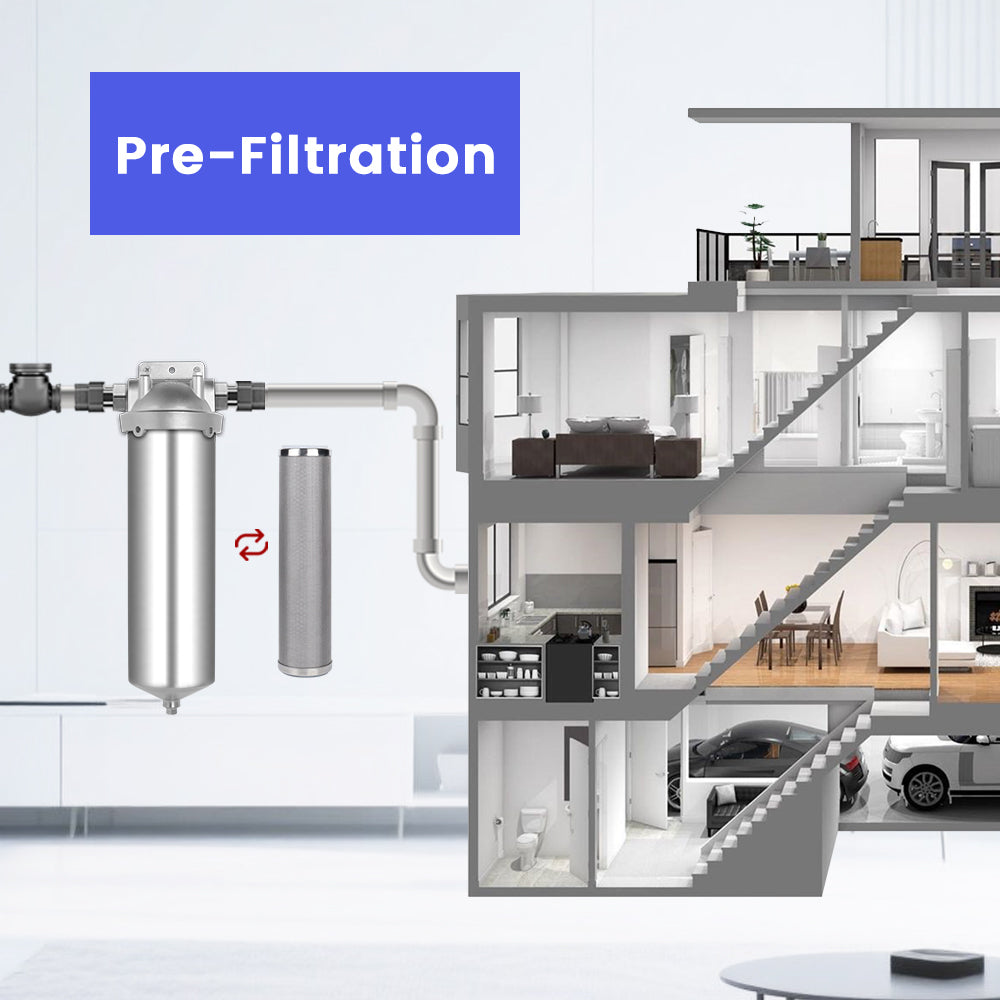
Installing a whole house water filtration system is one of the smartest investments you can make for your home's infrastructure and your family's health. By treating water at the point of entry, you ensure that every drop—from the kitchen tap to the showerhead—is free from harmful contaminants. However, like any sophisticated home appliance, these systems require attention to detail and occasional troubleshooting.
At Amwater Filter, we believe that an informed homeowner is a happy one. Understanding the common issues that can arise with your filtration system not only saves you time and money on unnecessary repairs but also ensures your water quality remains at its peak. This guide will walk you through the most frequent problems and provide actionable solutions to keep your water flowing pure.
Introduction to Filtration Systems
A whole house water filtration system is a comprehensive solution designed to intercept contaminants before they spread through your home's plumbing. Unlike small pitcher filters, these robust systems are engineered to handle thousands of gallons of water.
The key to a successful experience is understanding that these systems are "active" components. They work by physically trapping debris and chemically adsorbing pollutants. Because they are constantly "working," regular maintenance is not just a suggestion—it is a requirement. A well-maintained Amwater Filter system ensures optimal flow, protects your expensive appliances (like water heaters and dishwashers) from scale, and provides great-tasting water every single day.
Understanding Whole House Water Filters
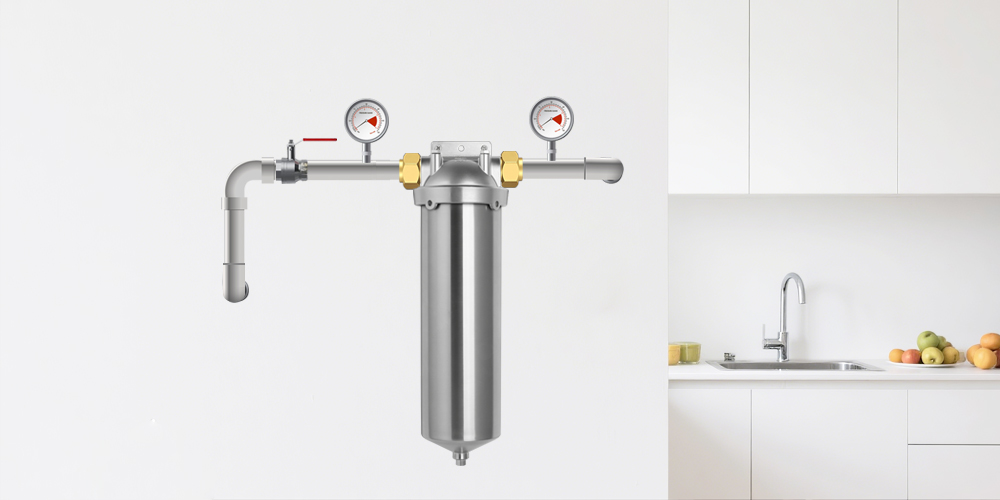
To fix a problem, you must first understand the anatomy of the system. A standard whole house setup typically includes:
-
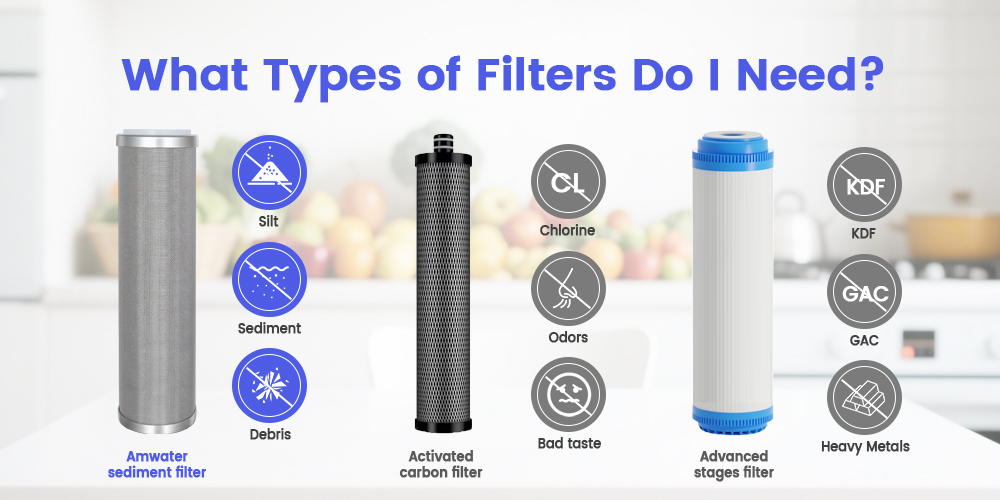
Sediment Filter: The first line of defense that catches sand, silt, and rust.
-
Carbon Filter: The stage responsible for removing chlorine, VOCs, and unpleasant odors.
-
Filter Housing: The durable "canister" that holds the cartridges.
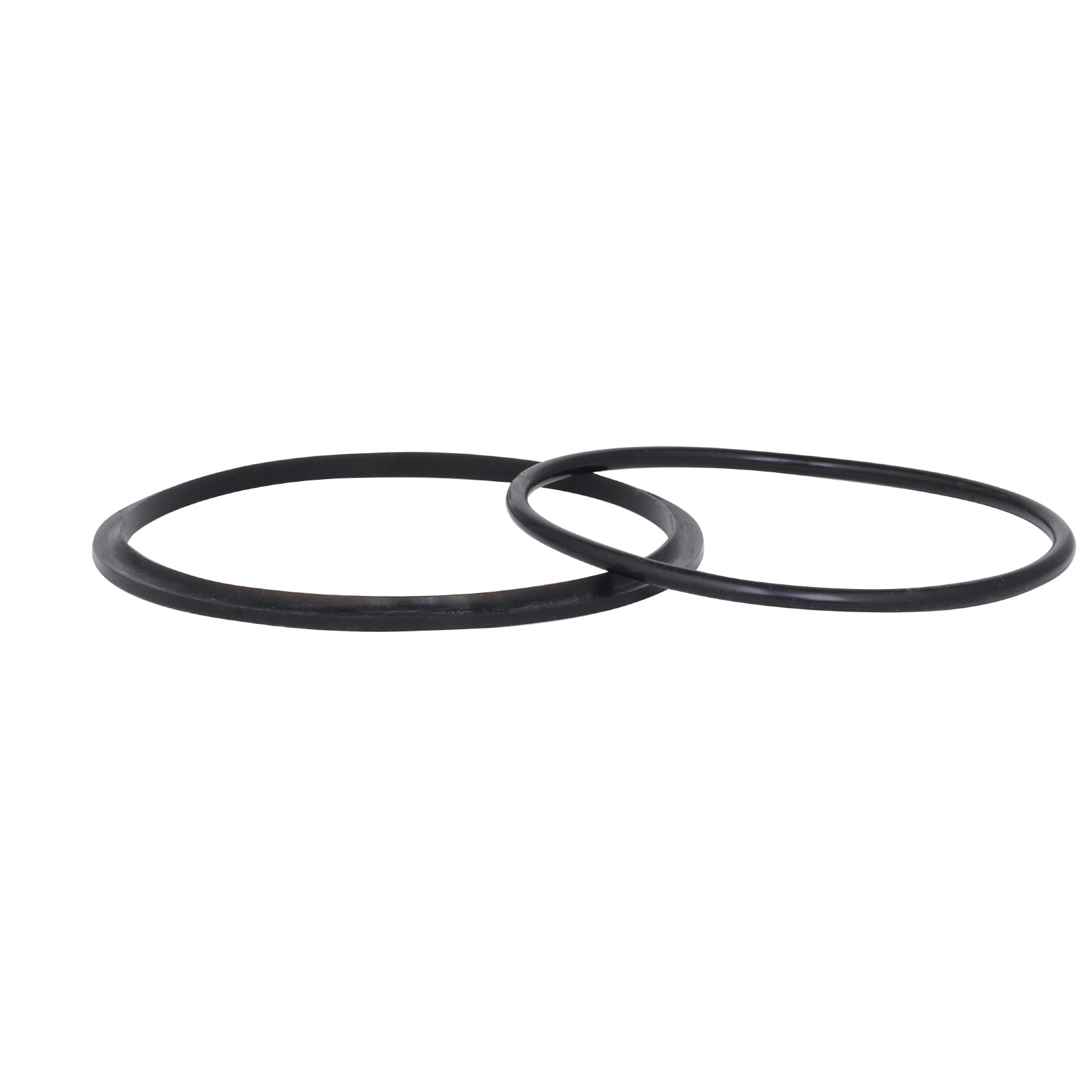
Proper maintenance of the filter housing is essential. If the housing is cracked or the O-ring is seated incorrectly, the entire system can fail. Regular filter changes and the timely replacement of the filter cartridge are the most basic, yet most important, tasks for any homeowner.
Common Issues with Water Filters: The "Clog" Factor
By far the most common problem reported by homeowners is a clogged filter. By design, a filter’s job is to stop things from passing through. Over time, the filter media becomes saturated with the very contaminants it was meant to stop.
Trapped debris, sediment buildup, and organic matter eventually fill the "pores" of the filter. This leads to a noticeable pressure drop. If you notice your water pressure decreasing over several weeks, it is a clear sign that your filter is doing its job but is now at capacity. Ignoring this can put undue stress on your pipes and the filter housing itself.
Water Pressure and Flow Issues
Using the Pressure Gauge

Design and Requirements
Trapped Air and Bypass Valve Issues
Trapped air in the filter housing creates air pockets that can reduce water flow and cause knocking sounds in the pipes. Most Amwater Filter housings come equipped with a pressure release button which you can either open by hand or wrench depending on the chosen model.
The Role of the Bypass Valve
House Water Filter Installation Mistakes

Many "problems" are actually the result of initial installation errors. Common mistakes include:
- Backwards Installation: Installing the filter with the "In" and "Out" ports reversed. This will cause the filter to clog almost instantly or fail to filter at all.
- Improper Sealing: Using too much or too little Teflon tape on threaded joints, leading to slow drips.
- Wrong Location: Installing the filter in a place where it is exposed to freezing temperatures or direct sunlight, which can weaken the plastic housing.
Addressing Whole House Water Issues
- Sediment: Prevents gritty water and protects faucet aerators.
- Chlorine: Removes the "swimming pool" smell and taste.
- Heavy Metals: Targets lead and mercury that might be leaching from city pipes.
Tap Water Quality Issues
Filter Changes and Replacement: The Golden Rule
- Manufacturer's Schedule: Most cartridges are rated for 6 to 12 months. However, if your water is exceptionally dirty, you may need to change them every 3 months.
- Disposal: Be sure to dispose of used filters properly. Because they have concentrated various contaminants, they should be handled according to local waste guidelines.
Troubleshooting Guide for Whole House Filters
Check the Pressure Gauge: Is there a significant drop across the filter? (If yes, replace the cartridge).
Inspect for Leaks: Check the O-rings and lubrication. A dry O-ring is a common cause of leaks.
Purge the Air: Use the pressure release button to ensure no air is trapped.
Verify the Bypass Valve: Ensure it is in the "Filter" position, not "Bypass."
Check for External Clogs: Sometimes the "clog" is actually a sediment-filled screen in your faucet or showerhead.
Professional Maintenance and Installation
While many homeowners enjoy the DIY aspect of water filtration, there is no substitute for professional expertise. A water treatment professional can:
- Analyze your water chemistry precisely.
- Calibrate the system for your home's specific flow and pressure.
- Identify plumbing vulnerabilities that could cause future leaks.
At Amwater Filter, we provide both the hardware and the guidance needed to ensure your system remains a silent, effective protector of your home.
Conclusion
By staying proactive with your Amwater Filter system, you protect your plumbing, enhance your health, and ensure that your family always has access to the best water possible. Regular inspection, timely filter replacements, and a watchful eye on your pressure gauges will keep your system running smoothly for years to come.

Leave a comment
This site is protected by hCaptcha and the hCaptcha Privacy Policy and Terms of Service apply.