Introduction to Filtration Systems
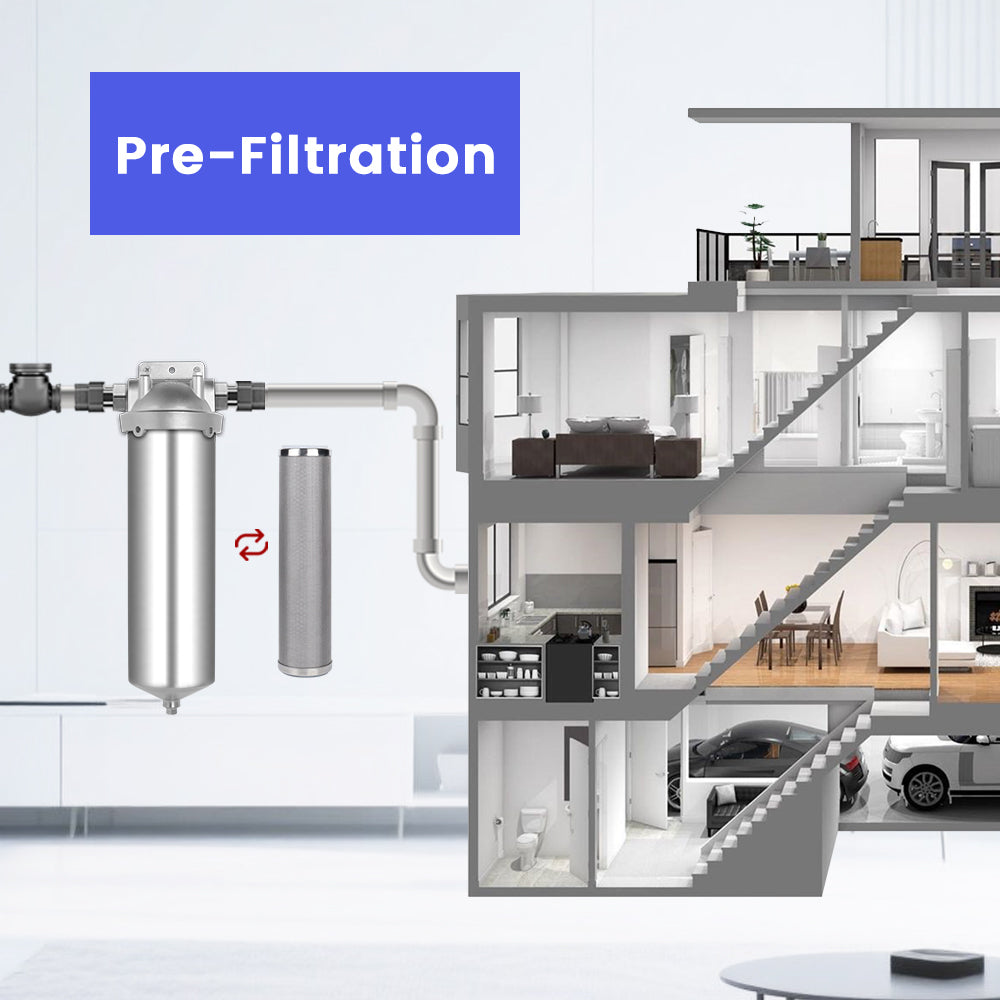
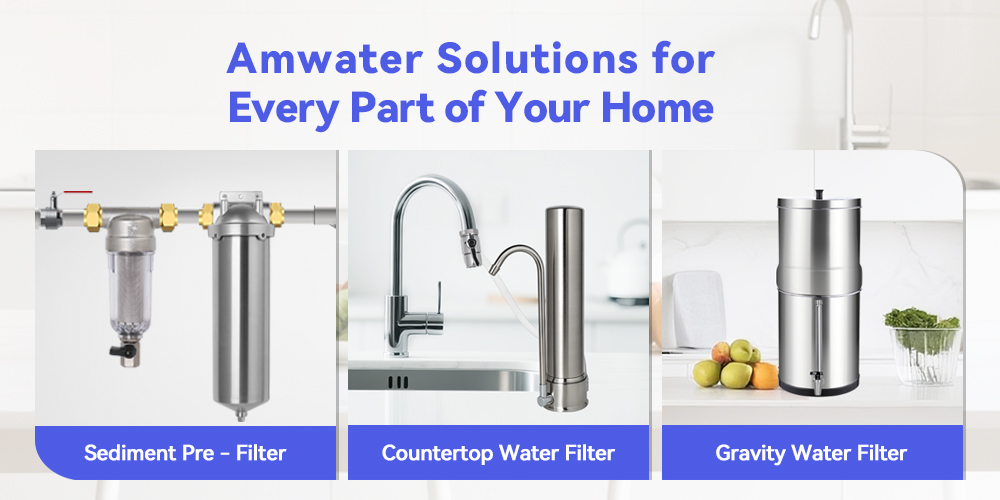
A whole house water filter is a comprehensive solution designed to treat water as it enters your home's main supply line. Unlike point-of-use filters (like pitcher filters or under-sink units), a whole house system ensures that treated water is available at every single faucet, showerhead, and appliance in the building.
The sophistication of these systems lies in their multi-stage approach. Most high-quality configurations, utilize a series of specialized filters to tackle different types of contaminants.
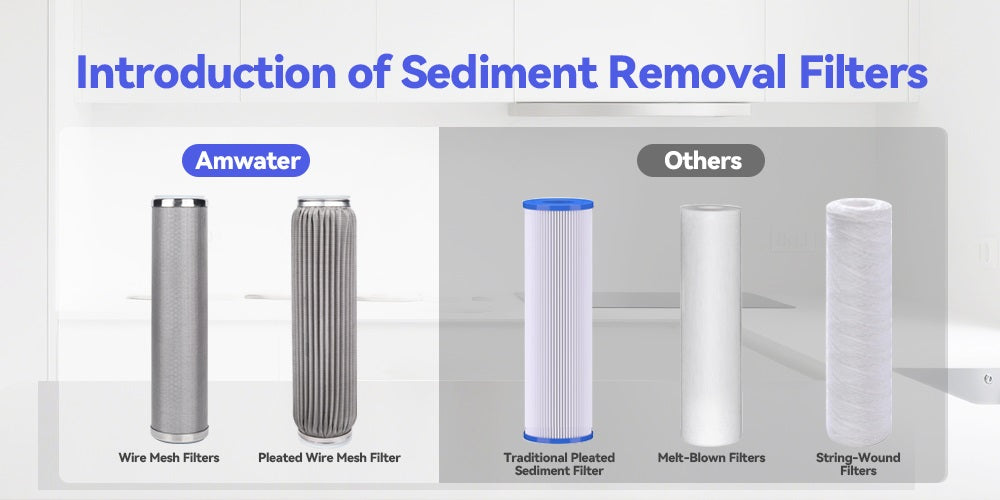
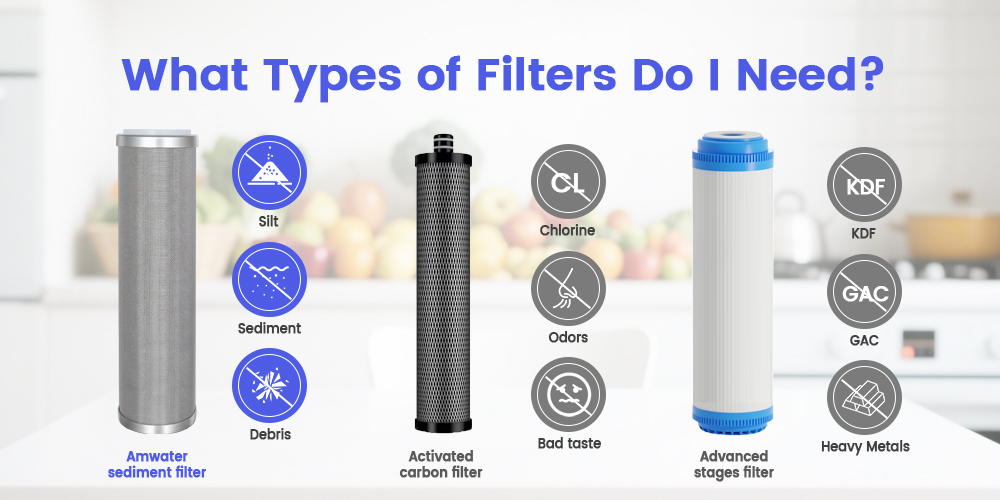
- Sediment Filters: These act as the first stage, catching physical debris.
- Activated Carbon Filters: These use chemical adsorption to remove odors, chlorine, and organic compounds.
Regular maintenance is the only way to ensure these stages function correctly. Without it, the filtration system can become a bottleneck or, worse, a source of contamination itself. By adhering to a strict replacement schedule, you ensure that your system continues to provide clean, salt-free water that protects both your health and your plumbing.

To understand when to change your filters, you must first understand what is happening inside the canisters. A typical whole house water filtration system is an orchestra of different technologies working in harmony.
The Sediment Pre-Filter: The First Line of Defense
The sediment pre-filter is your system’s "bouncer." Its job is to stop large, abrasive particles from entering the more delicate parts of the system. This includes sand, silt, scale, and rust from aging city pipes. At Amwater, we emphasize the importance of this stage because a clogged pre-filter is the most common cause of a sudden drop in household water pressure.
The Filtration Tanks: Heavy Lifting
Central to many systems are the large filtration tanks. These often contain specialized media like Granular Activated Carbon (GAC) or KDF. These tanks are responsible for the "invisible" work—removing heavy metals, chlorine, and Volatile Organic Compounds (VOCs). Because these tanks handle a high volume of water, the media inside eventually becomes "saturated" and loses its ability to attract contaminants.
The Post-Filter: The Finishing Touch
The post-filter is often the final stage. It serves as a safety net, catching any microscopic carbon "fines" (tiny bits of carbon) that might have escaped the main tank, as well as any remaining sediment. This ensures that the water reaching your kitchen tap is as polished and clear as possible.
The Critical Importance of Maintenance
Why is changing your filter so important? It isn't just about the "purity" of the water; it is about the structural integrity of your home's plumbing and the health of your family.
Preventing Clogs and Pressure Drops
As a filter traps debris, it naturally becomes more "closed." Imagine trying to breathe through a thick cloth—the more dust that cloth collects, the harder you have to work to pull air through. In a plumbing system, this translates to reduced water pressure. If you've noticed your shower feels more like a drizzle than a waterfall, it's likely time to check your Amwater filter cartridges.
Inhibiting Bacterial Growth
Filters are designed to trap organic matter. If a filter is left in a housing for too long past its expiration date, that trapped organic matter can become a breeding ground for bacteria. This is known as "bio-fouling." Instead of cleaning your water, an old filter can actually begin seeding your water supply with bacteria.
Protecting Your Investment
Neglecting maintenance can lead to a total system failure. If a pre-filter bypasses sediment because it has torn under pressure, that silt can enter your water heater or dishwasher, causing expensive internal damage. Regular maintenance through Amwater is a small price to pay compared to the cost of replacing a water heater.
Benefits of Clean and Salt-Free Water
One of the most significant advantages of a well-maintained whole house system from Amwater is the delivery of salt-free water. Traditional water softeners use salt (sodium) to remove minerals, but modern filtration focuses on high-purity water without the added sodium.
Enhanced Taste and Odor
Chlorine is the most common complaint among city water users. It makes water taste "medicinal" and can dry out your skin. A fresh activated carbon filter can remove up to 99% of chlorine, resulting in water that tastes like premium bottled water straight from the tap.
Appliance Longevity
Scale buildup is the silent killer of appliances.By using a whole house system that removes scale-forming minerals or sediment, you extend the life of your coffee makers, ice machines, and laundry units. Salt-free systems are particularly beneficial as they don't introduce corrosive brine into your pipes.
Better Skin and Hair
Hard water and chlorine strip the natural oils from your hair and skin. When your Amwater system is working at peak performance with your filters, you will notice softer hair and less skin irritation after bathing, which is a direct benefit of removing harsh chemical disinfectants.
Signs of Wear and Tear: When to Act

You don't always have to wait for a specific date on the calendar to know your filter is failing. Your home will often give you "symptoms" that indicate the filtration system is under stress.
Reduced Water Pressure: This is the #1 indicator. If the pressure is low at every faucet, the "bottleneck" is almost certainly a clogged whole house filter.
Changes in Taste or Smell: If you start to smell chlorine again, or if the water takes on an "earthy" or metallic tone, the carbon media is likely exhausted.
Discoloration: If you see a slight brown or yellow tint in your bathtub, your sediment filter has likely reached its capacity and is allowing "bypass."
Sputtering Faucets: Sometimes, a severely clogged filter can cause air pockets or uneven flow, leading to faucets that "spit" when first turned on.
If you observe any of these signs, visit Amwater immediately to find a compatible replacement cartridge.
Replacement and Upkeep: The General Rules
Every home is different. A family of six using 300 gallons of water a day will need to change filters much faster than a single person living in a condo. However, we can establish some general industry baselines.
The 3-6 Month Rule for Pre-Filters
Because the sediment pre-filter catches the largest debris, it takes the most abuse. Most professionals recommend replacing sediment cartridges every 3 to 6 months. If you are on well water with high turbidity (cloudiness), you may even need to change it every 2 months.
The 6-12 Month Rule for Main Filters
Carbon blocks and GAC cartridges generally have a longer lifespan, typically lasting 6 to 12 months. Their lifespan is measured in "gallons treated." For example, a high-capacity carbon block might be rated for 10,000 to 50,000 gallons.
Cleaning the Housing
Upkeep isn't just about the cartridge. Every time you change a filter, you should clean the inside of the blue or clear filter housing with mild soap and warm water (and a splash of bleach if you suspect bacteria) to ensure no biofilm remains.

Choosing the Right Replacement
Not all filters are created equal. When it comes time to buy replacements, choosing the wrong size or type can lead to leaks or poor filtration.
- Size Matters: Whole house filters usually come in "Standard" (2.5" diameter) or "Big Blue" (4.5" diameter) sizes, and lengths of 10" or 20". Check your original Amwater system documentation to confirm your size.
- Micron Rating: A 1-micron filter catches smaller particles than a 20-micron filter, but it will also clog much faster. If you have very dirty water, it’s often better to use a "staged" approach: a 20-micron filter followed by a 5-micron filter.
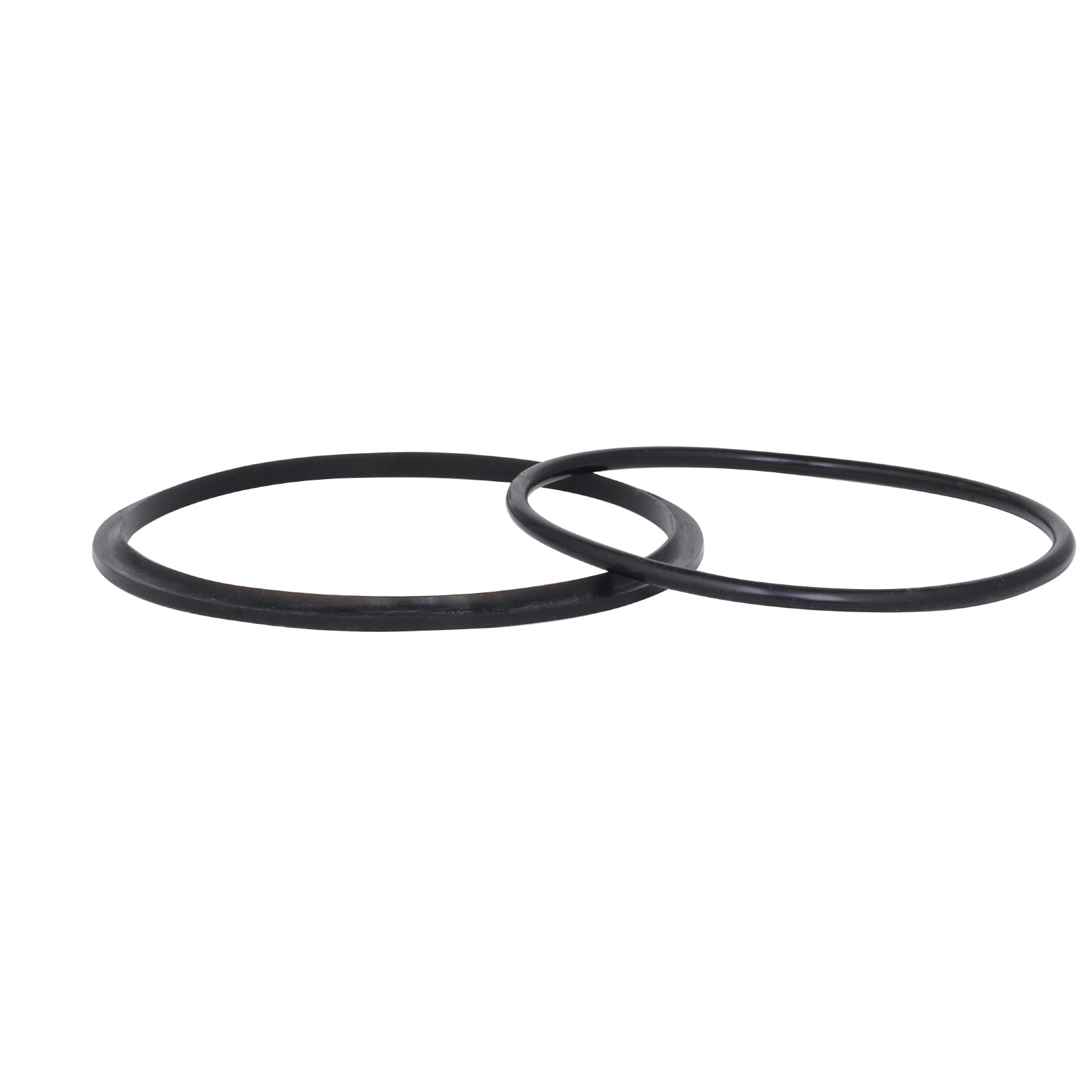
- Manufacturer Guidelines: While generic filters exist, using genuine Amwater replacements ensures a perfect seal. An improperly fitted filter can allow "bypass," where water flows around the filter instead of through it, rendering the system useless.
Your Maintenance Schedule
To help you stay on track, we recommend keeping a physical or digital log of your maintenance. A well-organized schedule might look like this:
|
Task |
Frequency |
Estimated Cost |
|
Inspect Water Pressure |
Monthly |
$0 |
|
Replace Sediment Pre-filter |
Every 3-6 Months |
Low |
|
Replace Carbon/GAC Post-filter |
Every 6-12 Months |
Moderate |
|
Sanitize Filter Housings |
Every Filter Change |
$0 |
|
Professional System Check |
Every 2 Years |
Variable |
By following this schedule, you eliminate the guesswork. You can find all the necessary supplies for these tasks at Amwater.
Conclusion: The Path to Pure Water
A whole house water filter is an investment in your home's future and your family's health. While the initial installation is a big step, the long-term success of the system depends entirely on your commitment to maintenance. From the sediment-busting power of a pre-filter to the chemical-cleansing properties of activated carbon, each component plays a vital role.
Don't wait for your water to turn brown or for your pressure to drop to a trickle. Be proactive. By understanding the signs of wear and tear and sticking to a consistent replacement schedule, you can enjoy the peace of mind that comes with knowing your water is always at its best.
If you're unsure which filter you need or if it's time for an upgrade, the team at Amwater is here to help. We provide the high-quality components and expert advice needed to keep your filtration system running smoothly for years to come.
Is it time for a fresh start? Browse our extensive catalog of replacement filters and whole-house components at Amwater and take the first step toward a cleaner, healthier home today!

Leave a comment
This site is protected by hCaptcha and the hCaptcha Privacy Policy and Terms of Service apply.