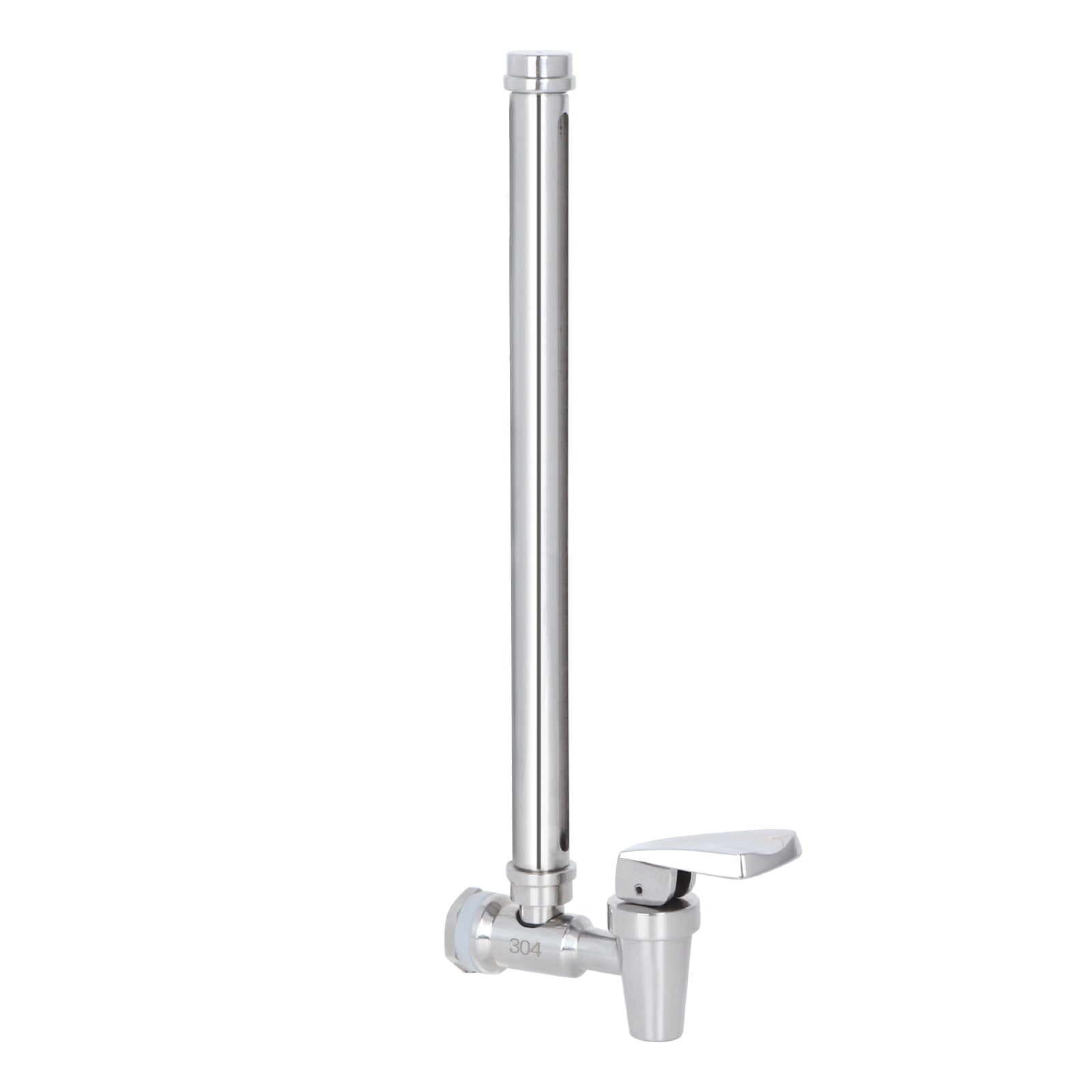

If you're researching water filtration systems, you've probably encountered two common terms: liquid process filters and water filter housings. Many beginners assume they are the same thing, but they actually serve different roles within a filtration system.
Understanding the difference is essential when designing or upgrading a water treatment setup for industrial, commercial, or residential applications. Choosing the wrong component can lead to poor filtration performance, increased maintenance costs, and reduced equipment protection.
In this guide, we'll explain what liquid process filters are, what water filter housings do, how they work together, and which one you need for your application.
What Is a Liquid Process Filter?
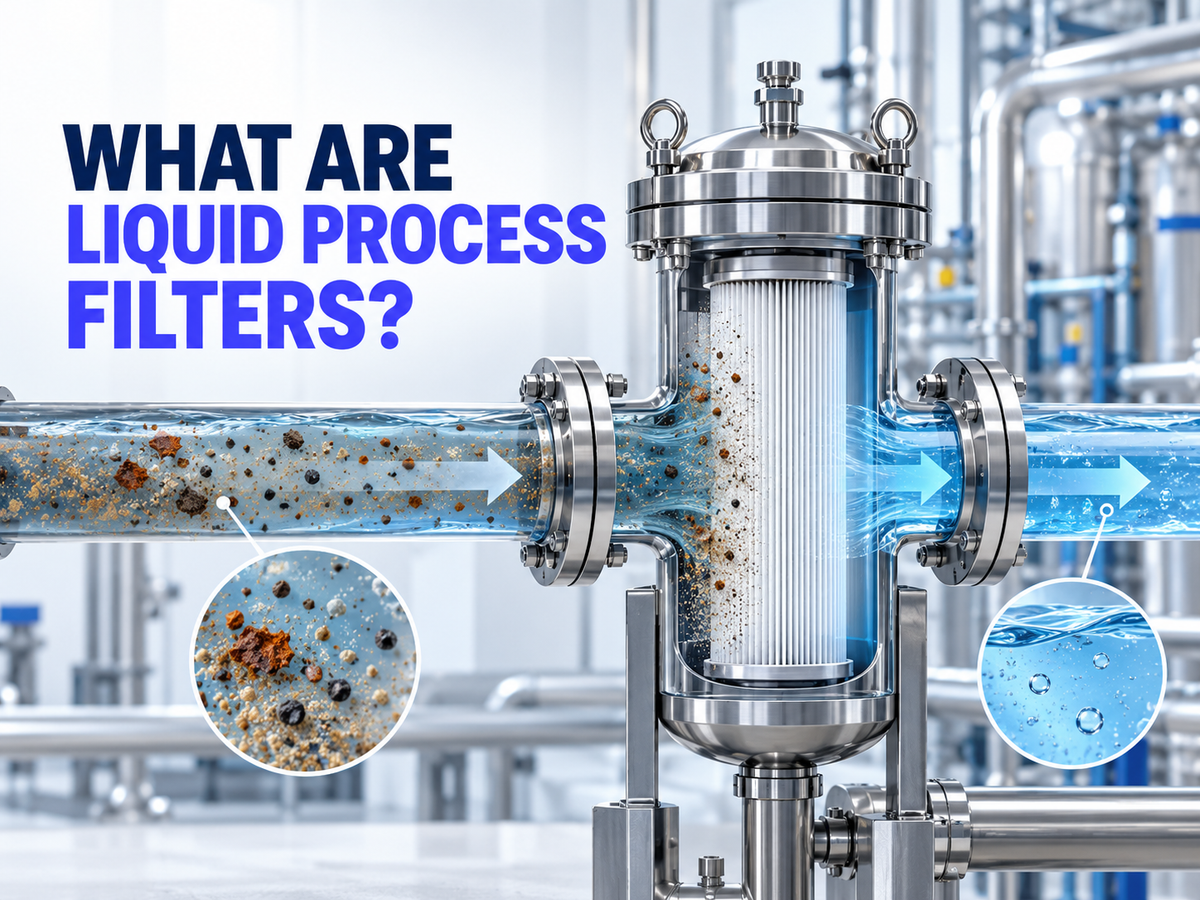
A liquid process filter is the actual filtration media responsible for removing contaminants from a liquid. Its job is to capture particles, sediment, rust, organic matter, microorganisms, or other impurities as the liquid flows through the system.
Common types of liquid process filters include:
- Sediment filter cartridges
- Activated carbon filters
- PP melt-blown filters
- String wound filters
- Bag filters
- Membrane filters
These filters are typically rated by microns, which indicate the size of particles they can remove.
Examples of micron ratings
| Micron Rating | Typical Contaminants Removed |
| 50 μm | Sand, large debris |
| 20 μm | Rust particles |
| 5 μm | Fine sediment |
| 1 μm | Very fine particles |
| 0.2 μm | Many bacteria |
What Is a Water Filter Housing?
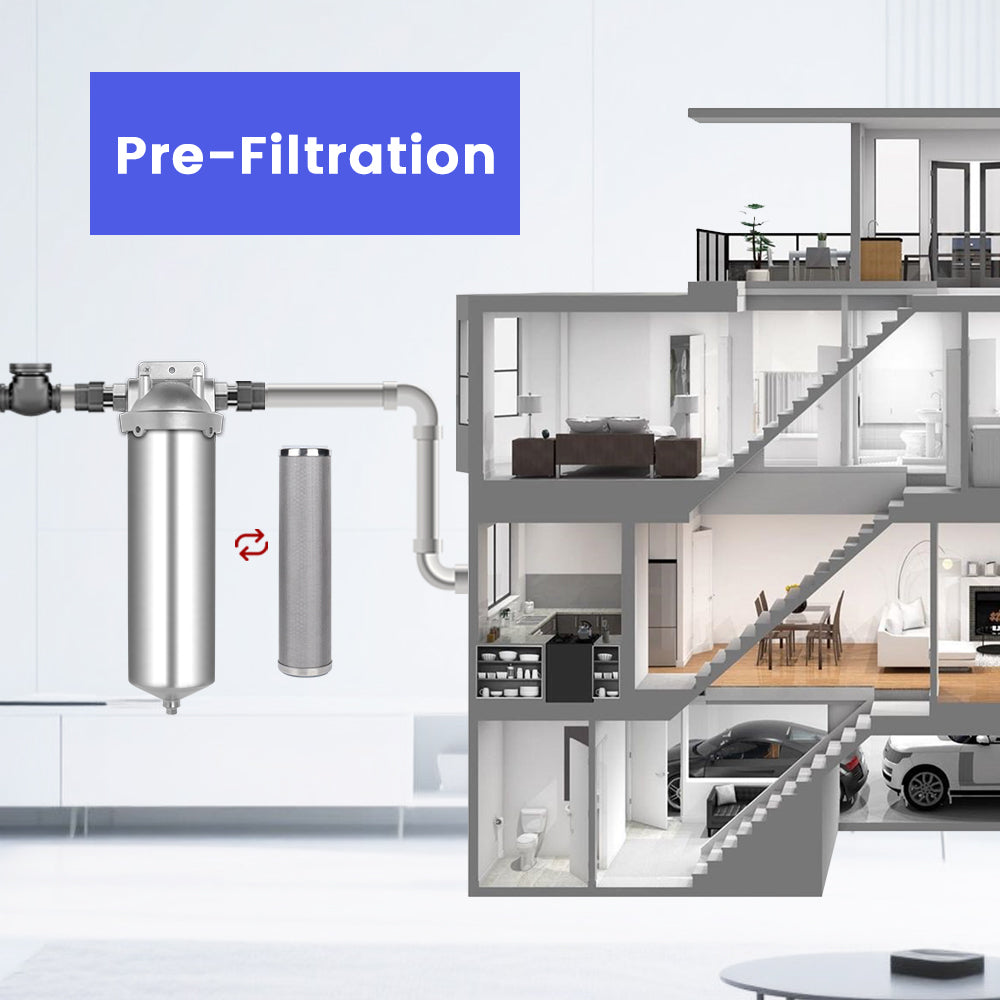
A water filter housing is the protective container that holds the filter cartridge. Think of it as the body or shell of the filtration system.
The housing itself does not perform the filtration. Instead, it:
- Holds the filter securely in place
- Directs water through the filter
- Withstands water pressure
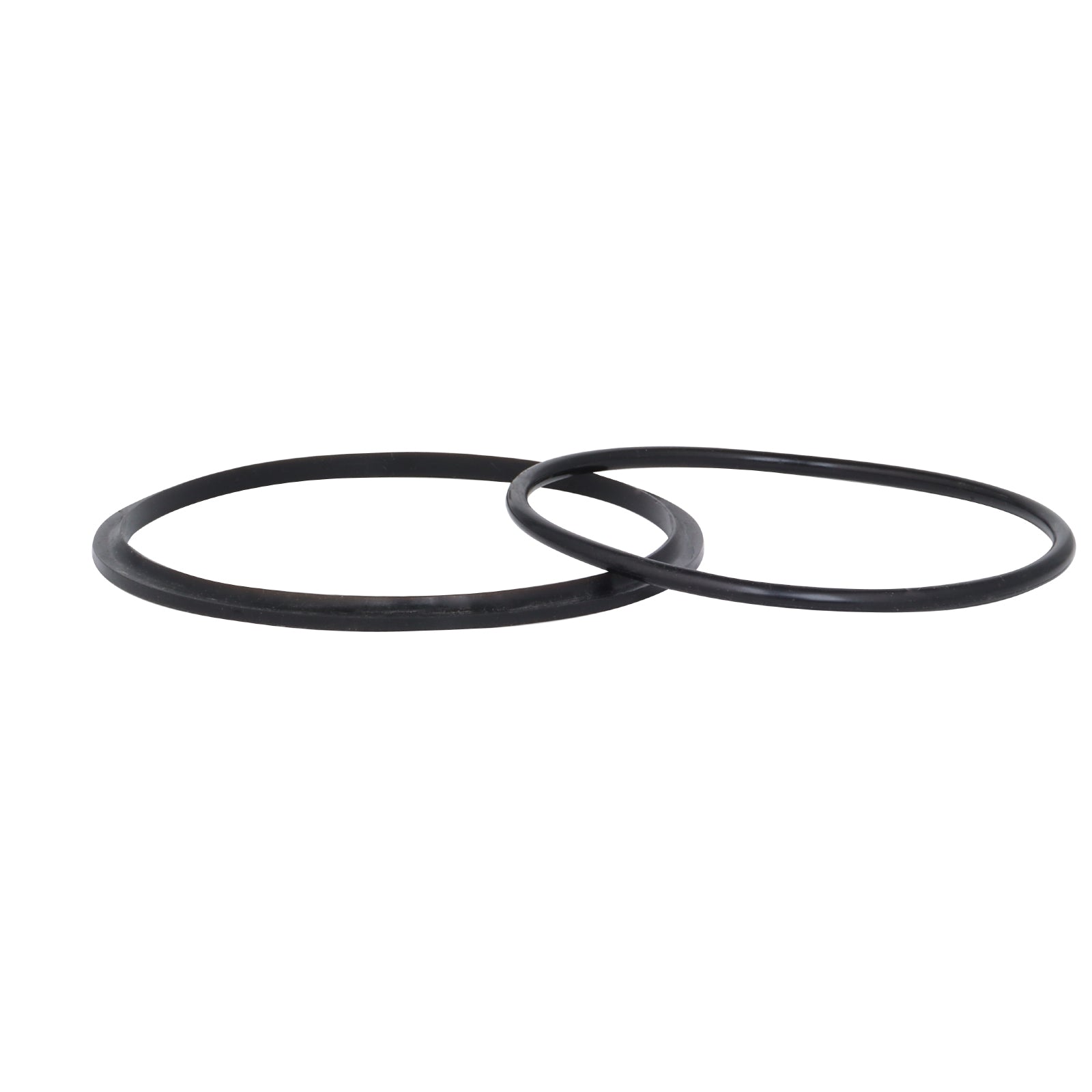
- Prevents leaks
- Makes filter replacement easier
Without a housing, most cartridge-style liquid process filters cannot be installed or operated properly.
The Biggest Difference
Quick comparison
| Feature | Liquid Process Filter | Water Filter Housing |
| Primary function | Removes contaminants | Holds the filter cartridge |
| Performs filtration? | Yes | No |
| Needs replacement? | Regularly | Infrequently |
| Micron rating | Yes | No |
| Material | PP, carbon, membrane, etc. | Plastic or stainless steel |
| Purpose | Clean the liquid | Contain and support the filter |
How They Work Together

In most systems, both components are required.
Here's the typical flow:
The housing creates a sealed pathway so all water is forced through the filter media before exiting the system.
When Do You Need a Liquid Process Filter?
You need a liquid process filter whenever you want to remove contaminants from a liquid.
Common applications include:
- Whole-house water filtration
- Industrial process water
- Food and beverage production
- Reverse osmosis pre-filtration
- Chemical processing
- Cooling systems
- Well water treatment
For example, a 5-micron sediment cartridge can remove fine sand, rust, and silt from incoming water.
When Do You Need a Water Filter Housing?
You need a water filter housing when using cartridge-style filters.
A quality housing is especially important if your system experiences:
- High water pressure
- Frequent filter changes
- Commercial usage
- Whole-house filtration
- Industrial operation
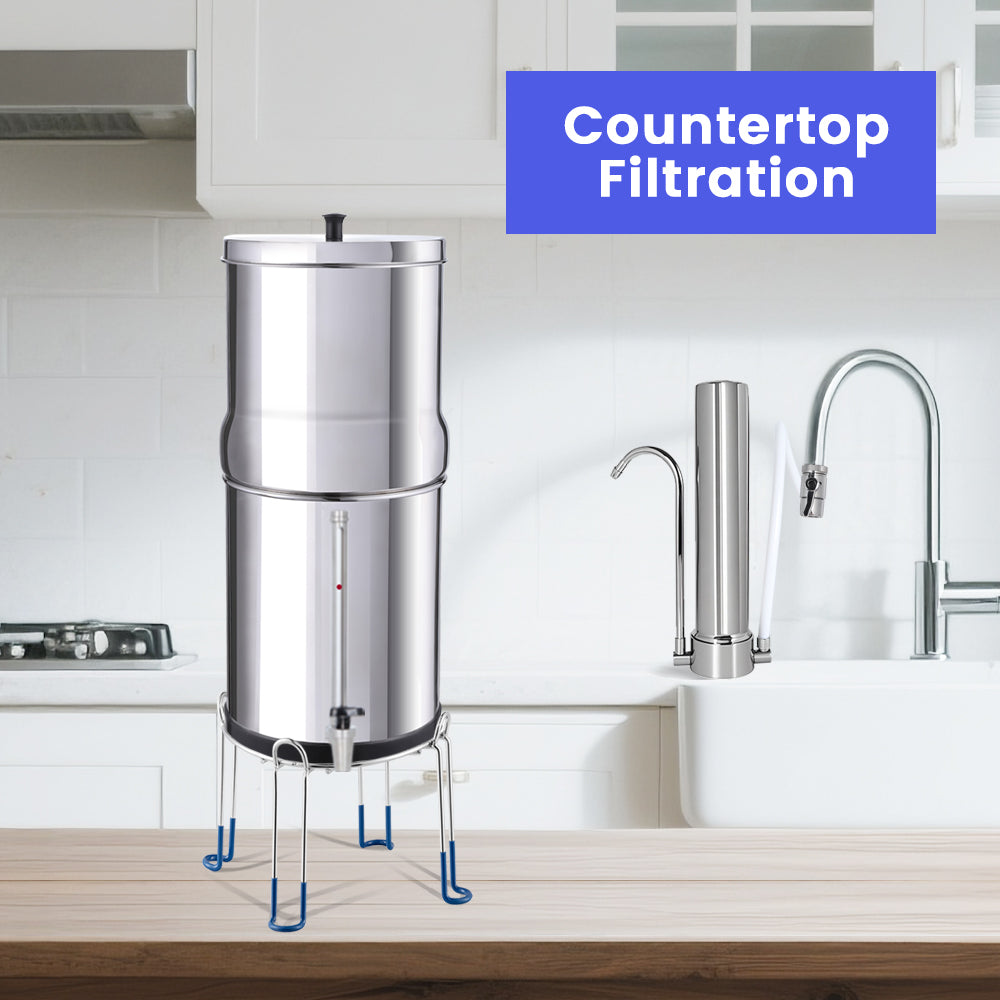
For reliable cartridge installation, AMwater offers the AMwater 10-Inch Water Filter Housing, designed to securely hold standard filter cartridges while providing dependable sealing and pressure resistance.
Which One Lasts Longer?
Expected lifespan
| Component | Typical Lifespan |
| Liquid Process Filter | 1–6 months (varies) |
| Water Filter Housing | Several years |
Because the filter captures contaminants, it becomes clogged over time and must be replaced regularly. The housing, however, is reused for many filter replacement cycles.
Cost Comparison
Another important difference is ongoing cost.
Typical investment
| Component | Cost Type |
| Water Filter Housing | One-time investment |
| Liquid Process Filters | Recurring replacement cost |
For this reason, many buyers focus on selecting a durable housing first and then choose the appropriate filter cartridges based on their water quality needs.
How to Choose the Right Combination
For most residential and light commercial systems, start with these questions:
What contaminants are present?
- Sediment
- Rust
- Chlorine
- Odor
- Fine particles
- Bacteria
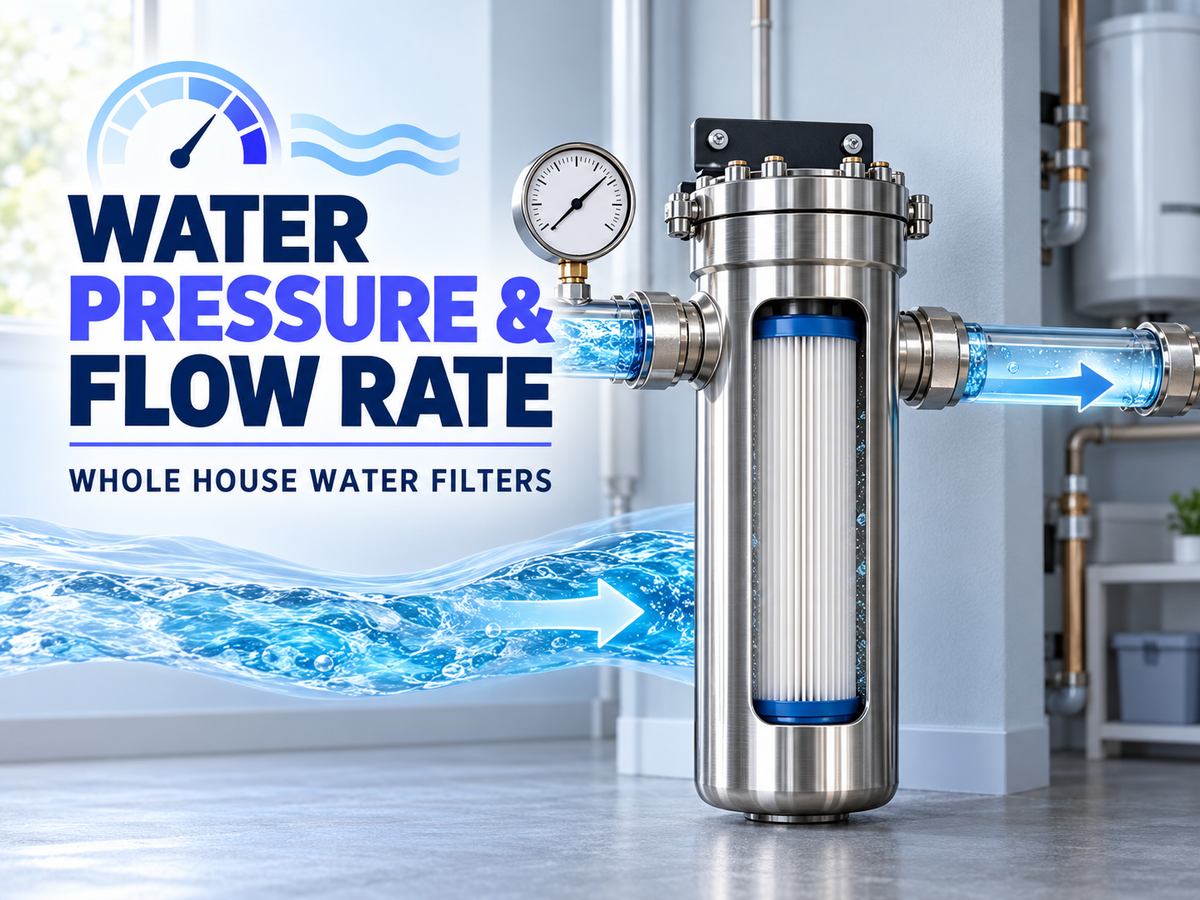
What flow rate do you need?
Higher flow rates may require larger housings and filters.
What micron rating is appropriate?
- 20–50 μm for coarse sediment
- 5–10 μm for general filtration
- 1 μm or less for fine filtration
Final Thoughts
So, what's the difference between liquid process filters and water filter housings?
The answer is simple:
- Liquid Process Filters = the component that removes contaminants.
- Water Filter Housings = the component that holds and protects the filter.
They are not competing products—they are complementary parts of the same filtration system. A high-quality housing paired with the right filter cartridge delivers better water quality, improved equipment protection, and lower long-term maintenance costs.
For reliable filtration solutions, AMwater provides durable products such as the AMwater 10-Inch Water Filter Housing, helping homeowners and businesses build efficient, dependable water filtration systems.

Leave a comment
This site is protected by hCaptcha and the hCaptcha Privacy Policy and Terms of Service apply.