
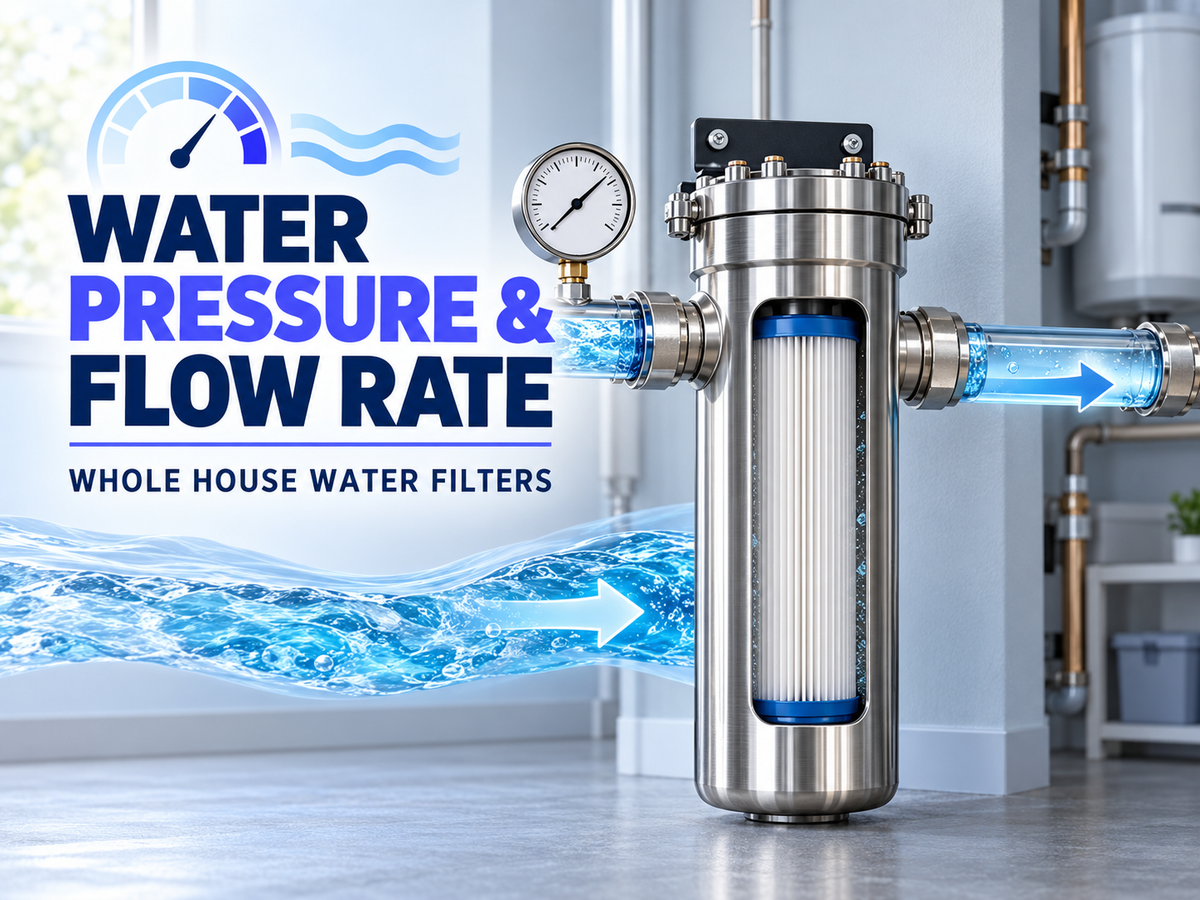
When homeowners shop for a filtration system, they often focus on what the filter removes: sediment, rust, chlorine taste, or other unwanted particles. But there is another factor that matters just as much in daily use: water pressure and flow rate. A filter may look powerful on paper, but if it is not properly sized or maintained, it can make showers feel weak, faucets run slowly, and appliances take longer to fill.
This is also why many people ask questions like: do tap mounted water filters reduce water pressure? The short answer is yes, they can, especially when the filter media is small, clogged, or designed for low-flow drinking water only. But the more useful answer is that every filtration system creates some resistance. The goal is to choose the right type of filter, housing, cartridge, and installation point so your home gets cleaner water without sacrificing everyday comfort.
Water Pressure vs. Flow Rate: What’s the Difference?
Water pressure is the force that pushes water through your plumbing. It is usually measured in PSI, or pounds per square inch. Flow rate is the amount of water that moves through the system over time, commonly measured in gallons per minute, or GPM.
These two terms are connected, but they are not the same. You may have strong water pressure at the main line, but if a filter cartridge is too restrictive, the flow rate at your faucet or shower can still drop. On the other hand, a system with good flow design can help maintain comfortable water delivery even while filtering sediment and other particles.
For whole house water filters, flow rate is especially important because the system is not serving one glass of drinking water. It may need to support showers, washing machines, dishwashers, toilets, outdoor taps, and kitchen use at the same time.
Why Filters Can Reduce Water Pressure
A water filter works by forcing water through a screen, membrane, media bed, or cartridge. The tighter or finer the filtration surface, the more resistance it creates. That resistance is called pressure drop.
Several factors can increase pressure drop:
- A cartridge that is too small for household demand
- A micron rating that is too fine for the water condition
- Heavy sediment, sand, or rust buildup
- A clogged filter that has not been cleaned or replaced
- Undersized inlet and outlet ports
- Poor installation layout with too many sharp turns
- Plastic housings or low-quality parts that restrict internal flow
This is why a filter that works well for a single sink may not be suitable for the entire home. If you have ever wondered, do tap mounted water filters reduce water pressure, the reason is simple: tap-mounted filters are compact. They have limited surface area and small internal passages. That makes them useful for point-of-use filtration, but they are not built to handle whole house flow demand.
Tap-Mounted Filters vs. Whole House Filters
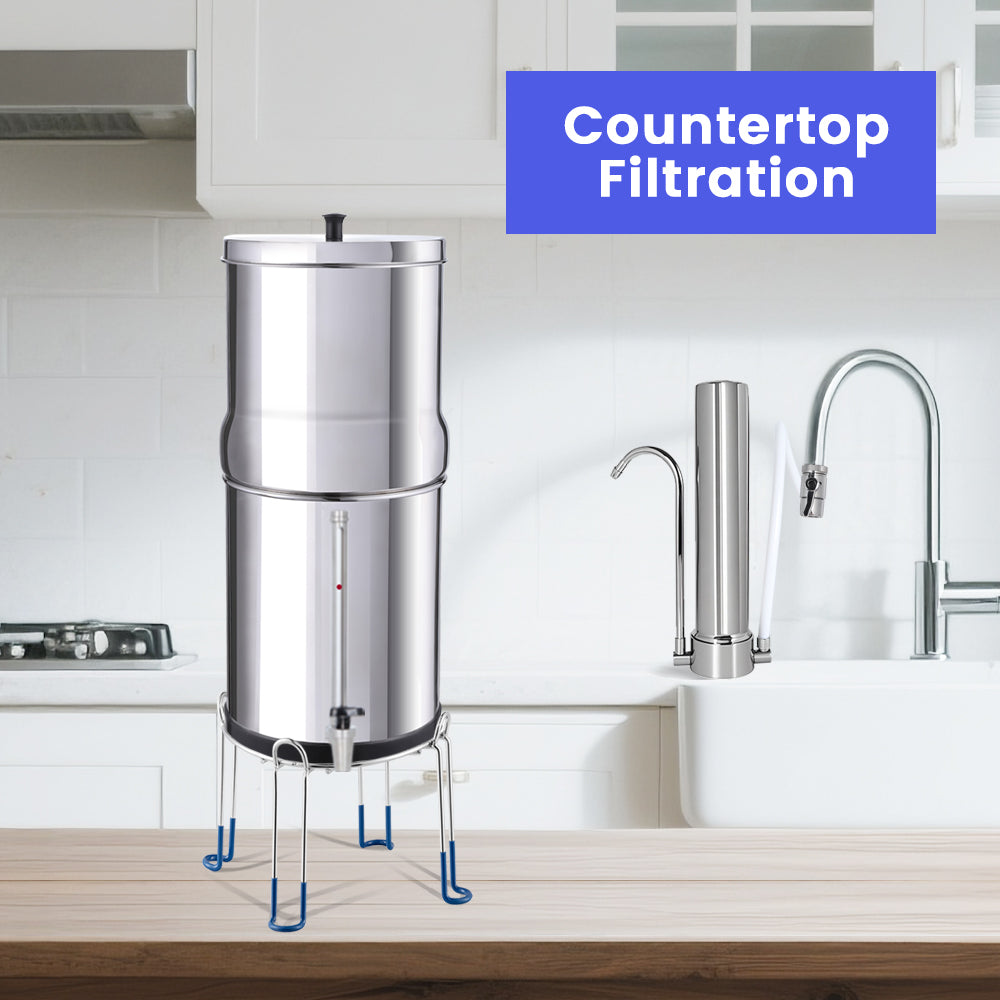
Tap-mounted water filters are installed directly on a kitchen faucet. They are convenient, affordable, and easy to install. However, they are designed for drinking and cooking water at one faucet. Because water must pass through a small filter before exiting the tap, flow can slow down noticeably, especially as the filter ages.
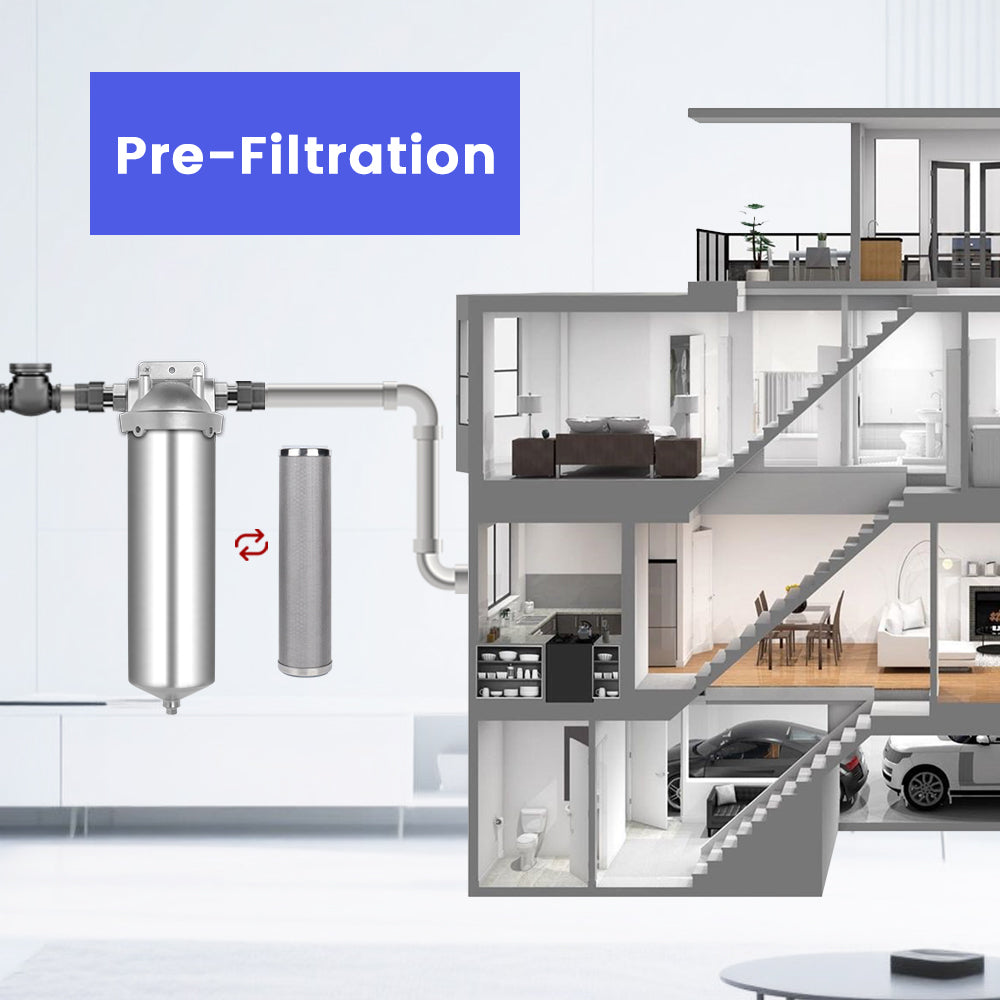
Whole house filters work differently. They are installed near the main water line, usually before water reaches the rest of the home. Instead of filtering only one faucet, they help reduce sediment and particles before water travels to appliances, fixtures, and downstream filters.
A well-designed whole house filtration setup can actually help protect your plumbing system. By capturing sediment early, it can reduce buildup in water heaters, washing machines, showerheads, and finer filtration cartridges. The key is choosing a system with enough capacity for your home’s flow rate.
How Sediment Affects Flow Rate
Sediment is one of the most common causes of reduced water flow. Sand, dirt, rust, scale, and other particles can collect inside pipes, valves, faucet aerators, and filter cartridges. If your water comes from a well, an older municipal line, or plumbing with corrosion, sediment filtration becomes even more important.
However, sediment filters must be sized correctly. A very fine filter may trap smaller particles, but it may also clog faster. A coarse pre-filter can remove larger particles first, helping protect finer filters later in the system.
This is where a durable first-stage housing can make a real difference. The Amwater 10 Stainless Steel Water Filter Housing is designed as a strong first line of defense for whole house filtration. It can be paired with Amwater reusable stainless steel sediment filters to help capture coarse impurities such as sand, dirt, and rust before they move deeper into the system.
Why Filter Housing Design Matters
Many homeowners focus only on the cartridge, but the filter housing also affects performance. The housing controls how water enters, passes through, seals, and exits the system. If the housing is weak, poorly sealed, or too small for the application, it can create problems over time.
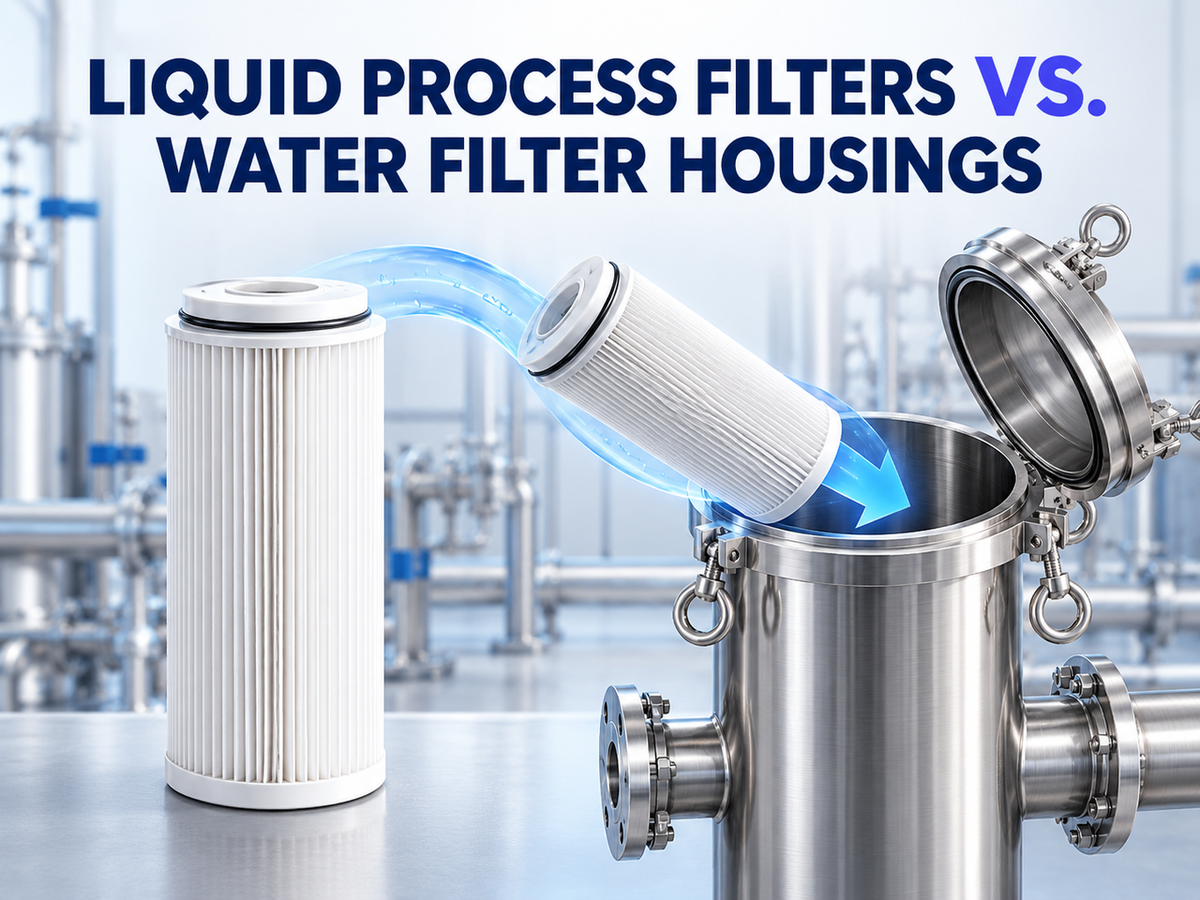
Amwater’s 10-inch stainless steel water filter housing uses food-grade 304 stainless steel for the head, lock ring, and sump. Compared with plastic housings, stainless steel offers stronger durability, corrosion resistance, and better long-term performance in demanding conditions. According to the product specifications, the housing supports up to 300 PSI and a maximum temperature of 97°C, making it suitable for many residential and commercial applications.
It is also available with multiple inlet and outlet sizes, including 1/2 inch, 3/4 inch, 1 inch, 1.5 inch, and 2 inch NPT options. This matters because undersized ports can restrict flow. Choosing the right connection size for your plumbing helps the system support household demand more effectively.
Matching the Filter to Your Home
To maintain good water pressure, start by understanding your household’s water use. A small apartment with one bathroom has very different needs than a large home with multiple showers, irrigation, and water-using appliances.
Before selecting a whole house filter, consider:
- Number of bathrooms
- Peak water use times
- Well water vs. municipal water
- Sediment level
- Pipe size
- Cartridge type and micron rating
- Maintenance schedule
- Whether you need pre-filtration before finer filters
For homes with heavy sediment, a reusable sediment filter can be a practical choice because it can be cleaned and reused rather than replaced frequently. Amwater focuses on long-term value filtration products, including stainless steel housings and reusable sediment filter options designed for dependable performance and lower maintenance over time.
How to Prevent Pressure Loss
The best way to prevent pressure loss is not to avoid filtration. It is to design the system correctly.
First, use a properly sized housing. A whole house filter should be built for whole house demand, not single-faucet use. Second, choose a cartridge that matches your water condition. If your water contains large sediment, start with a coarse sediment filter before using finer filtration. Third, inspect and clean or replace cartridges on schedule. Even the best filter will reduce flow if it is overloaded.
Installation also matters. A professional layout with appropriate pipe sizing, bypass valves, and minimal restrictions can help keep water moving smoothly. If your water pressure drops suddenly after installing a filter, check for a clogged cartridge, closed valve, incorrect flow direction, or trapped air in the system.
Final Thoughts
So, do tap mounted water filters reduce water pressure? In many cases, yes. Their compact size and small filter media can slow faucet flow, especially when the cartridge is old or clogged. But that does not mean all filtration systems must create frustrating pressure loss.
Whole house water filters are different. When properly sized and installed, they can help protect plumbing, appliances, and downstream filters while maintaining practical flow for daily use. The key is to match the filter housing, cartridge, and connection size to your home’s water demand.
For homeowners looking for a durable whole house pre-filtration solution, Amwater offers stainless steel filter housings built for long-term value. The Amwater Stainless Steel Water Filter Housing is a strong option for sediment pre-filtration, especially when paired with compatible reusable sediment cartridges. With the right setup, cleaner water and comfortable water flow can work together, not against each other.

Leave a comment
This site is protected by hCaptcha and the hCaptcha Privacy Policy and Terms of Service apply.