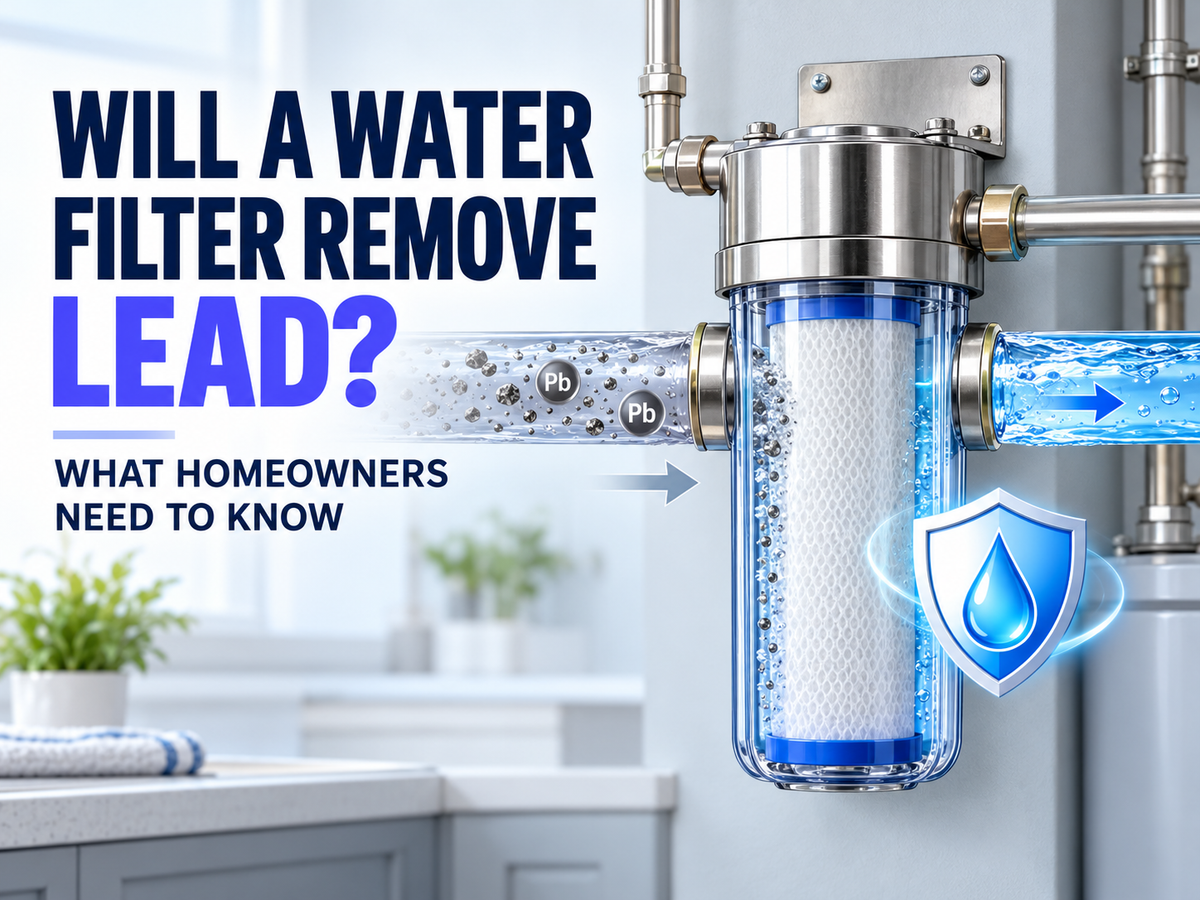
If you are worried about lead in drinking water, one of the first questions you may ask is: will a water filter remove lead? The answer is yes, but only if you choose the right type of filter and use it correctly. Not every water filter is designed for lead reduction, and some filters that improve taste, odor, or sediment may not remove dissolved lead from water.
Lead is a serious drinking water concern because it cannot be seen, tasted, or smelled. Water may look perfectly clear and still contain lead from old service lines, plumbing materials, solder, or brass fixtures. For families with young children, pregnant women, or older homes, understanding how lead enters water and what kind of filtration works is essential.
Where Does Lead in Tap Water Come From?
Lead usually does not come from the water source itself. In many homes, it enters water after the water leaves the treatment plant. As water travels through pipes, it may come into contact with lead service lines, older plumbing, lead solder, or certain faucets and fixtures.
Homes built before modern lead-free plumbing rules are more likely to have materials that can contribute to lead contamination. However, even newer homes may have some risk if older service lines or components are present in the surrounding water system.
Water chemistry also matters. Corrosive water can slowly wear away metal surfaces, allowing lead to leach into the water. Water that sits in pipes overnight or for several hours may contain higher lead levels when the tap is first turned on.
Will a Water Filter Remove Lead?
So, will a water filter remove lead from tap water? A certified lead-reduction filter can help reduce lead, but a basic sediment filter or taste-and-odor filter may not be enough.
Lead can appear in water in two main forms: dissolved lead and particulate lead. Particulate lead may attach to tiny pieces of scale, rust, or sediment. Dissolved lead is much harder to capture and requires specialized filtration media or technology.
Filters commonly used for lead reduction include:
- Activated carbon filters certified for lead reduction
- Reverse osmosis systems
- Certain ion exchange filters
- Distillation systems
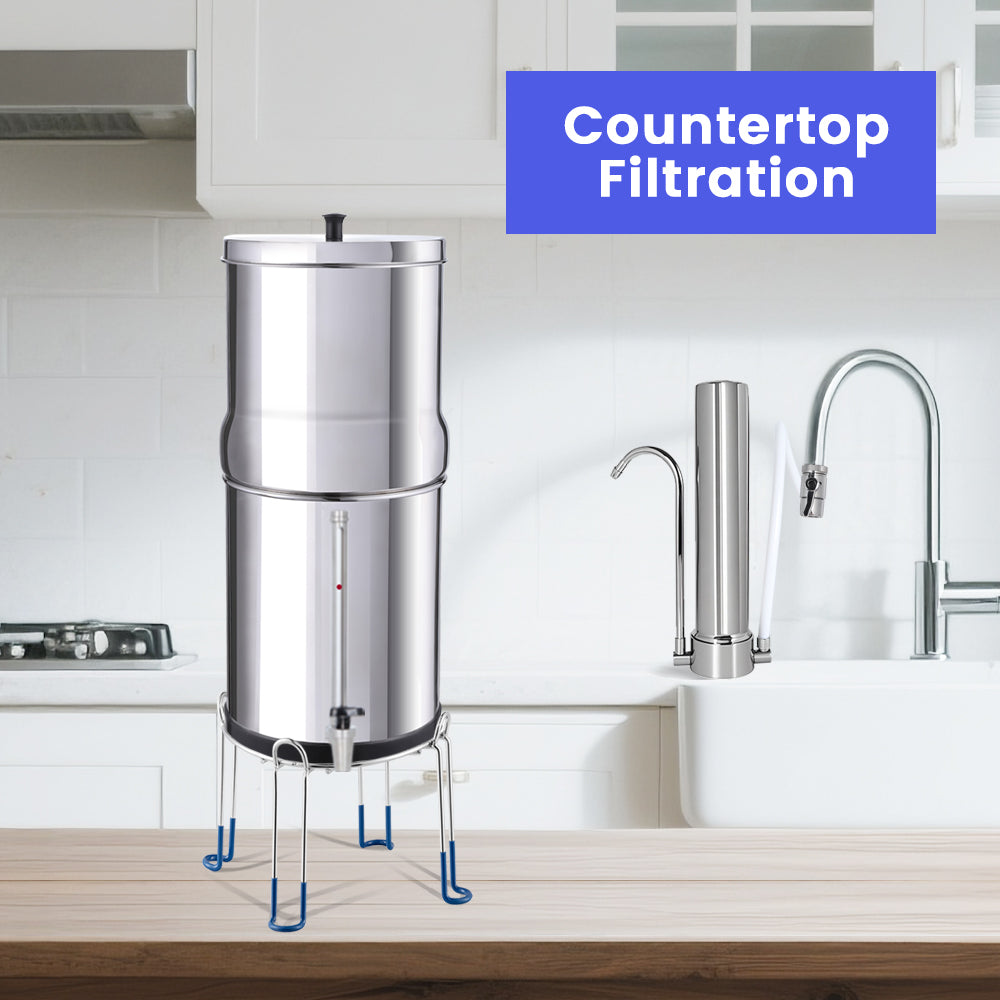
- Certified point-of-use faucet, under-sink, or pitcher filters
The key word is “certified.” When shopping for a filter, look for third-party certification for lead reduction, such as NSF/ANSI 53 for lead removal. For reverse osmosis systems, NSF/ANSI 58 is commonly associated with RO performance. A filter that only claims to improve taste or remove chlorine may not be designed for lead.
Why Certification Matters
Marketing claims can be confusing. A product may say it removes “contaminants,” “impurities,” or “heavy metals,” but that does not always mean it has been tested specifically for lead reduction. Lead is too important to guess about.
If lead is your main concern, choose a filter that clearly states lead reduction on its performance data sheet. Also check the filter’s rated capacity. A cartridge may reduce lead effectively for a certain number of gallons, but performance can drop if the cartridge is used beyond its recommended life.
This is one reason maintenance is just as important as product selection. A filter that is not replaced on schedule may lose effectiveness, reduce flow, or become clogged with sediment.
Can a Whole House Filter Remove Lead?
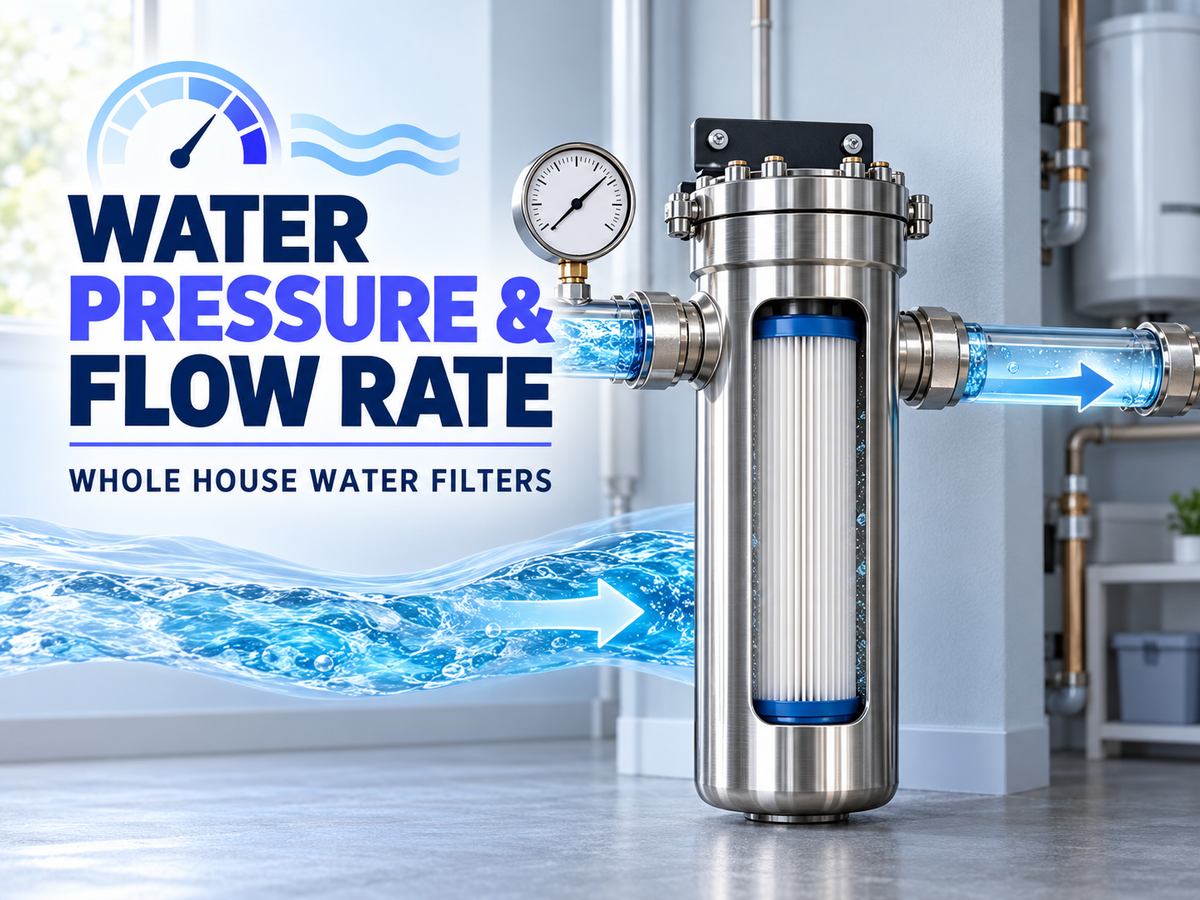
Many homeowners prefer whole house filtration because it treats water before it reaches bathrooms, kitchens, laundry equipment, and appliances. Whole house systems are excellent for sediment control, rust reduction, and protecting plumbing or downstream filters. However, lead reduction is more complicated.
Most lead exposure concerns involve water used for drinking and cooking. Because lead may come from plumbing inside the home, treating water at the main line does not always guarantee that lead will not enter the water later from faucets or fixtures. This is why many lead-reduction solutions are point-of-use systems installed at the kitchen sink or drinking water tap.
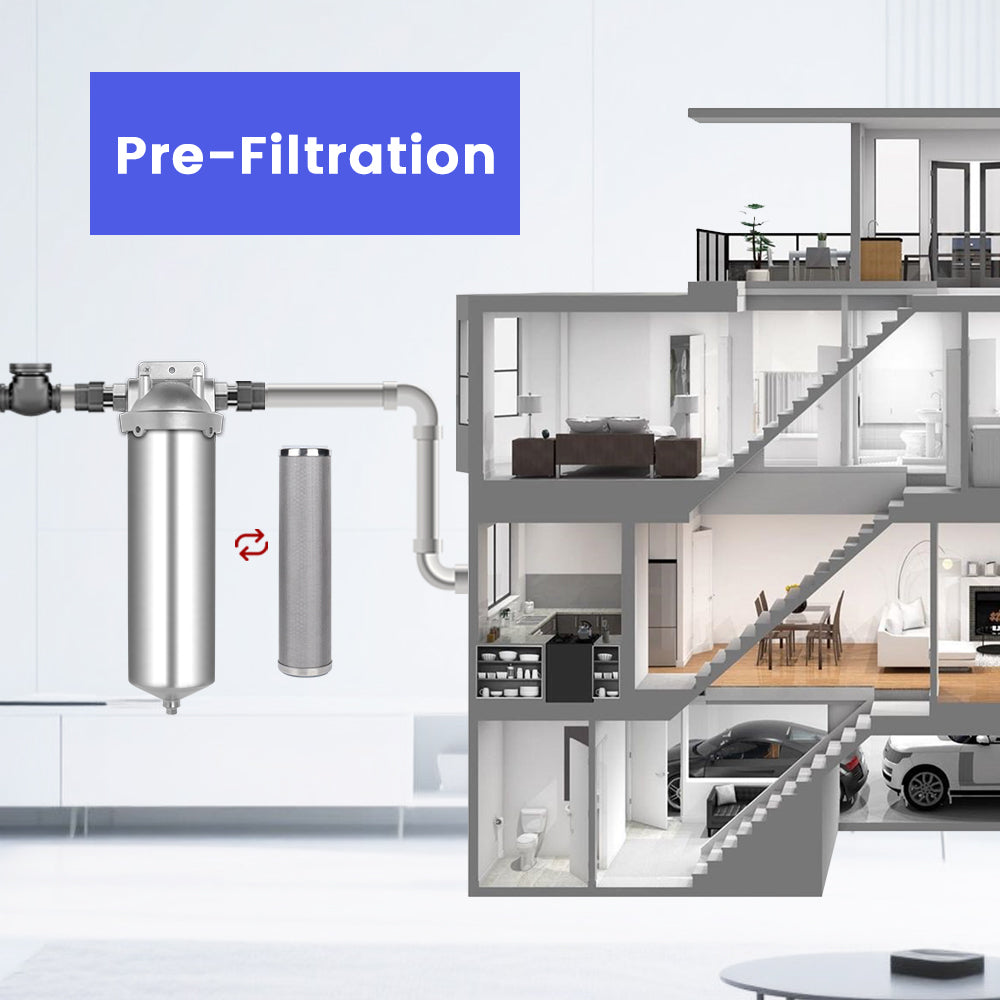
A whole house pre-filter can still play an important supporting role. By reducing sand, rust, and larger particles before water moves through the home, it can help protect more specialized filters downstream and reduce clogging. But it should not be treated as a standalone lead-removal solution unless the complete system is specifically certified for lead reduction.
The Role of Sediment Filtration in Lead Protection
Sediment filtration is not the same as lead reduction, but it can be part of a smarter water treatment setup. If your water contains rust, sand, dirt, or visible particles, those materials can clog fine carbon filters or reduce the lifespan of more advanced cartridges.
A strong pre-filtration stage helps remove larger particles first. This can make the rest of your filtration system work more efficiently. For homes using multiple filtration stages, sediment pre-filtration is often the first line of defense.
This is where Amwater can support a more durable water filtration setup. Amwater focuses on long-term value whole house water filters, stainless steel housings, and reusable sediment filtration products designed for reliable performance. The brand emphasizes quality, durability, and practical filtration solutions for homes and demanding applications.
Where the Amwater 10-Inch Stainless Steel Housing Fits In
If you are building or upgrading a whole house pre-filtration system, the Amwater Stainless Steel Water Filter Housing is a strong option to consider.
This product is a filter housing, not a standalone lead-removal cartridge. Its purpose is to hold compatible filter cartridges and serve as a durable filtration stage. Built with food-grade 304 stainless steel for the head, ring, and sump, it is designed for long-term use in residential and commercial environments. It can help trap larger particles, sediment, and rust when paired with the right sediment cartridge.
For homeowners concerned about lead, this kind of housing may be used as part of a larger multi-stage strategy: first reduce sediment and rust, then use a certified lead-reduction filter at the drinking water point. That approach helps protect downstream cartridges while keeping the lead-removal stage focused on the water you drink and cook with.
The Amwater housing also offers multiple inlet and outlet sizes, including 1/2 inch, 3/4 inch, 1 inch, 1.5 inch, and 2 inch NPT options, making it easier to match different plumbing setups. Its stainless steel construction is also a practical alternative to plastic housings for customers who want a more durable, corrosion-resistant solution.
What a Lead-Focused Filtration Setup May Look Like
If your goal is to reduce lead exposure, start with testing. A laboratory water test can tell you whether lead is present and at what level. Once you know your water condition, you can choose the right filtration plan.
A practical setup may include:
- A whole house sediment pre-filter for rust, sand, and larger particles
- A certified lead-reduction filter for drinking and cooking water
- Regular cartridge replacement based on manufacturer instructions
- Cold water use for drinking, cooking, and baby formula
- Periodic cleaning of faucet aerators
- Follow-up testing to confirm the system is working
Remember, boiling water does not remove lead. In fact, boiling can concentrate some contaminants as water evaporates. If lead is present, filtration, bottled water, plumbing replacement, or service line replacement may be needed depending on the situation.
Final Answer: Will a Water Filter Remove Lead?
Yes, a water filter can remove or reduce lead, but only when it is designed and certified for that purpose. If you are asking will a water filter remove lead, the safest answer is: choose a certified lead-reduction filter, maintain it properly, and test your water to confirm results.
For whole house protection, Amwater offers durable pre-filtration solutions that can help reduce sediment, rust, and particles before they reach downstream filters. The Amwater Stainless Steel Water Filter Housing is a reliable choice for homeowners who want a strong stainless steel housing as part of a long-term water filtration system.
Clean water starts with knowing what is in your water. Once you understand the problem, you can choose the right combination of filtration, maintenance, and plumbing improvements to protect your home.

Leave a comment
This site is protected by hCaptcha and the hCaptcha Privacy Policy and Terms of Service apply.