
For many homeowners, the dream of living on a private property with its own well is often met with a stubborn, rusty reality. If your sinks are stained orange, your laundry looks dingy, or your morning coffee has a distinct metallic "aftertaste," you are likely dealing with high iron content.
At Amwater Filter, we understand that well water presents unique challenges compared to treated city water. Understanding how to filter iron out of well water is not just about aesthetics; it is about protecting your home’s infrastructure and your family’s quality of life. In this comprehensive guide, we will break down the science of iron contamination and explore the most effective professional solutions available today.
Introduction to Iron in Well Water
Iron is one of the most common elements in the Earth's crust. As rainwater seeps through the soil and into underground aquifers, it dissolves iron-bearing minerals, carrying them into your well. While the EPA considers iron a "secondary" contaminant—meaning it isn't usually a direct health threat—it is the primary cause of plumbing headaches.
Effective iron removal is critical because, left untreated, iron can:
• Create Permanent Stains: Orange and brown streaks on toilets, tubs, and tiles.
• Clog Plumbing: Scale buildup inside pipes that reduces water pressure.
• Damage Appliances: Shorten the lifespan of dishwashers, washing machines, and water heaters.
• Ruined Flavors: Give food and beverages a harsh, metallic tang.
To solve the problem, you first need to identify which "version" of iron is haunting your pipes.
Effective iron removal is critical because, left untreated, iron can:
• Create Permanent Stains: Orange and brown streaks on toilets, tubs, and tiles.
• Clog Plumbing: Scale buildup inside pipes that reduces water pressure.
• Damage Appliances: Shorten the lifespan of dishwashers, washing machines, and water heaters.
• Ruined Flavors: Give food and beverages a harsh, metallic tang.
To solve the problem, you first need to identify which "version" of iron is haunting your pipes.
The Three Faces of Iron: What Are You Dealing With?
You cannot choose a filtration system until you know the type of iron present. Generally, iron in well water falls into three categories:

Ferrous Iron (Clear-Water Iron)
This is the most common type. When the water comes out of the tap, it looks perfectly clear. however, once it sits in a glass or a toilet bowl and is exposed to oxygen, it turns red or brown. This is because ferrous iron is soluble (dissolved in the water).
• Removal Strategy: Ion exchange (softening) or oxidation followed by filtration.
• Removal Strategy: Ion exchange (softening) or oxidation followed by filtration.
Ferric Iron (Red-Water Iron)
If your water is orange or rusty right out of the tap, you have ferric iron. This iron has already been oxidized and is now a physical particle (insoluble).
• Removal Strategy: Mechanical sediment filtration or sub-micron filters.
• Removal Strategy: Mechanical sediment filtration or sub-micron filters.
Iron Bacteria
This is the most difficult form to treat. Iron bacteria are small organisms that feed on iron, leaving behind a slimy, gelatinous sludge. You’ll often see this red or green "bio-slime" in your toilet tank.
• Removal Strategy: Chemical oxidation (chlorine shock) followed by robust filtration.
• Removal Strategy: Chemical oxidation (chlorine shock) followed by robust filtration.
Understanding Your Water Quality: Why Testing is Step One
Before investing in any system from Amwater Filter, we highly recommend a professional water test. Why? Because water chemistry is a balancing act.
The presence of other factors—like pH levels, manganese, and hydrogen sulfide (that "rotten egg" smell)—will determine whether a specific filter works or fails. For example, most oxidation-based iron filters require a pH of at least 7.0 to function. If your water is acidic, the iron simply won't "clump" together to be filtered out, no matter how expensive the machine is.
The presence of other factors—like pH levels, manganese, and hydrogen sulfide (that "rotten egg" smell)—will determine whether a specific filter works or fails. For example, most oxidation-based iron filters require a pH of at least 7.0 to function. If your water is acidic, the iron simply won't "clump" together to be filtered out, no matter how expensive the machine is.
Effective Iron Removal Options: What Works?
When it comes to how to filter iron out of well water, there are four industry-standard methods.
Oxidation and Filtration
This is the "gold standard" for high iron levels. The system uses an oxidizing agent—like air, chlorine, ozone, or potassium permanganate—to turn clear ferrous iron into solid ferric iron. Once the iron is a solid particle, a physical filter bed (often made of greensand or Birm) traps it.
• Best for: High concentrations of iron and manganese.
• Best for: High concentrations of iron and manganese.
Ion Exchange (Water Softeners)
Standard water softeners are designed to remove calcium and magnesium, but they can also "exchange" small amounts of ferrous iron.
• Limit: This only works for low levels of iron (usually under 5 ppm) and only if the water hasn't been exposed to air. If the iron oxidizes inside the softener, it will "foul" the resin bed and ruin the unit.
• Limit: This only works for low levels of iron (usually under 5 ppm) and only if the water hasn't been exposed to air. If the iron oxidizes inside the softener, it will "foul" the resin bed and ruin the unit.
Reverse Osmosis (RO)
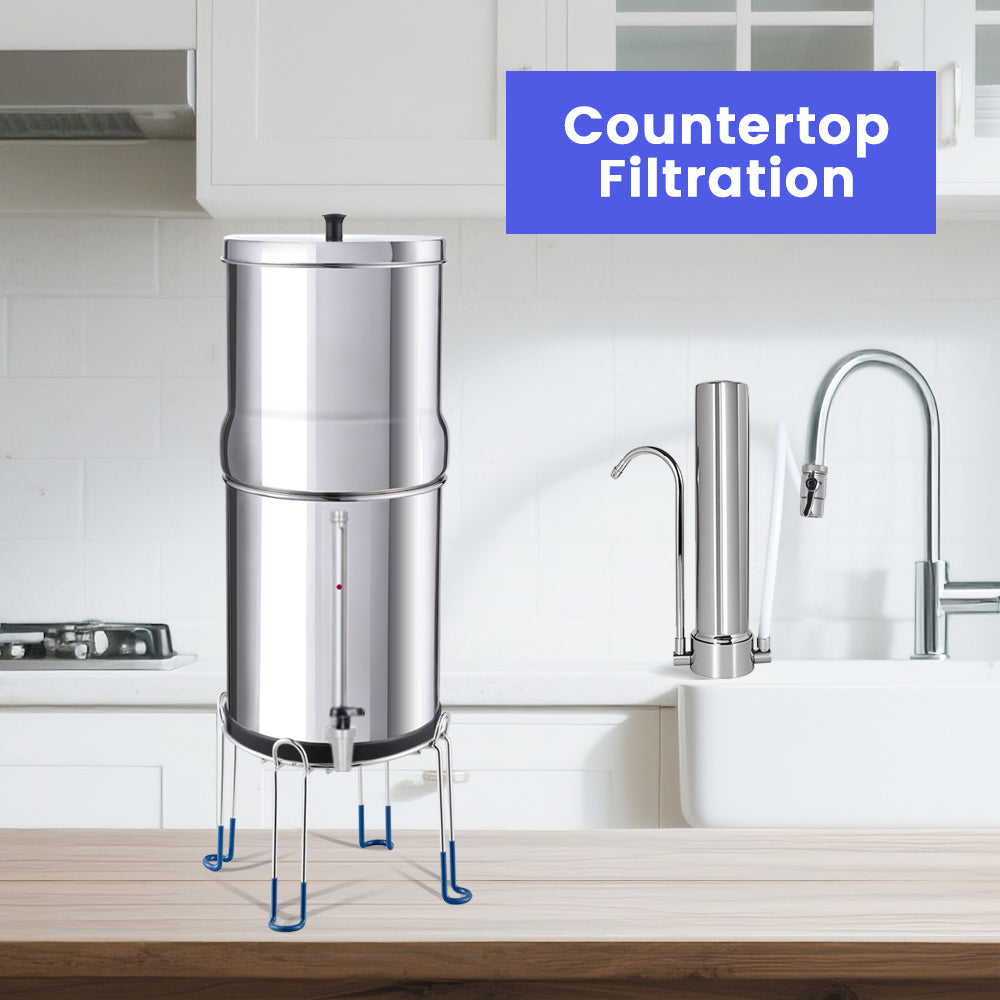
Reverse Osmosis systems use a semipermeable membrane to strip away dissolved solids.While highly effective at providing pure drinking water, RO is typically a "Point-of-Use" solution (under the sink).
• Note: Using RO for whole-house iron removal is rare because the iron will quickly clog the expensive membrane.
• Note: Using RO for whole-house iron removal is rare because the iron will quickly clog the expensive membrane.
Specialized Sediment Filtration
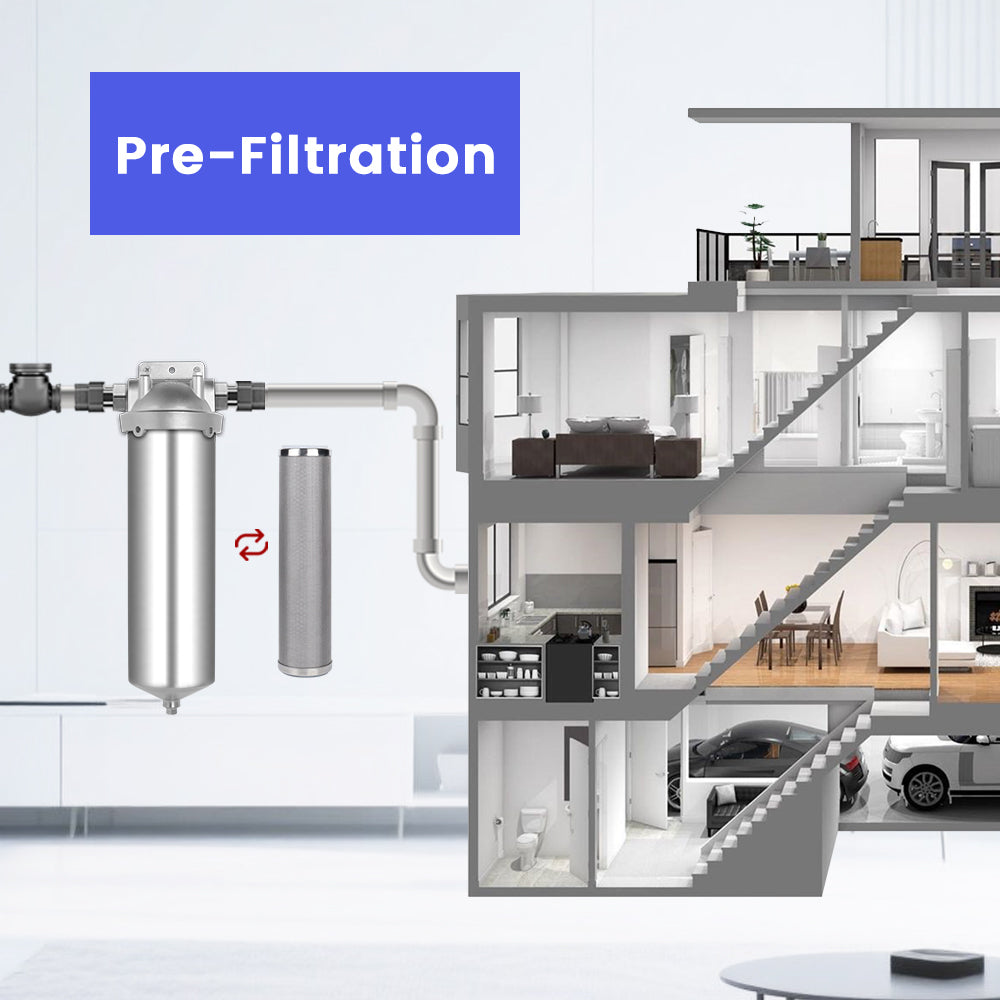
For ferric (particulate) iron, a high-quality sediment filter is essential. At Amwater Filter, our pleated and melt-blown cartridges are engineered to trap fine rust particles before they reach your faucets.
Choosing the Right Solution for Your Household
Selecting a system isn't a "one size fits all" process. You must consider:
Iron Content: Measured in mg/L or ppm.
Water Usage: Does your family use 50 gallons a day or 500? Your system must handle the "Peak Flow Rate."
Budget: While oxidation systems have a higher upfront cost, they often have lower maintenance costs than softeners that require constant salt refills.
At Amwater Filter, we specialize in providing tailored solutions. Whether you need a simple sediment pre-filter or a complex multi-stage whole-house system, our components are built for durability and precision.
Iron Content: Measured in mg/L or ppm.
Water Usage: Does your family use 50 gallons a day or 500? Your system must handle the "Peak Flow Rate."
Budget: While oxidation systems have a higher upfront cost, they often have lower maintenance costs than softeners that require constant salt refills.
At Amwater Filter, we specialize in providing tailored solutions. Whether you need a simple sediment pre-filter or a complex multi-stage whole-house system, our components are built for durability and precision.
The Benefits of Professional Iron Removal
Investing in a proper iron filtration system offers immediate rewards:
• Appliance Longevity: Your $800 dishwasher won't be killed by scale in three years.
• Brighter Laundry: Whites stay white, and colors don't fade into a muddy brown.
• Better Skin and Hair: Iron-heavy water can leave hair feeling brittle and skin feeling itchy.
• Property Value: A certified water treatment system is a major asset if you ever decide to sell your home.
• Appliance Longevity: Your $800 dishwasher won't be killed by scale in three years.
• Brighter Laundry: Whites stay white, and colors don't fade into a muddy brown.
• Better Skin and Hair: Iron-heavy water can leave hair feeling brittle and skin feeling itchy.
• Property Value: A certified water treatment system is a major asset if you ever decide to sell your home.
Maintenance and Upkeep: Keeping the Water Clear
Even the best filter in the world won't work if it's neglected.
Photo: How to Maintain Clean Water
• Cartridge chagnes with picture
• Flushes water filter picture
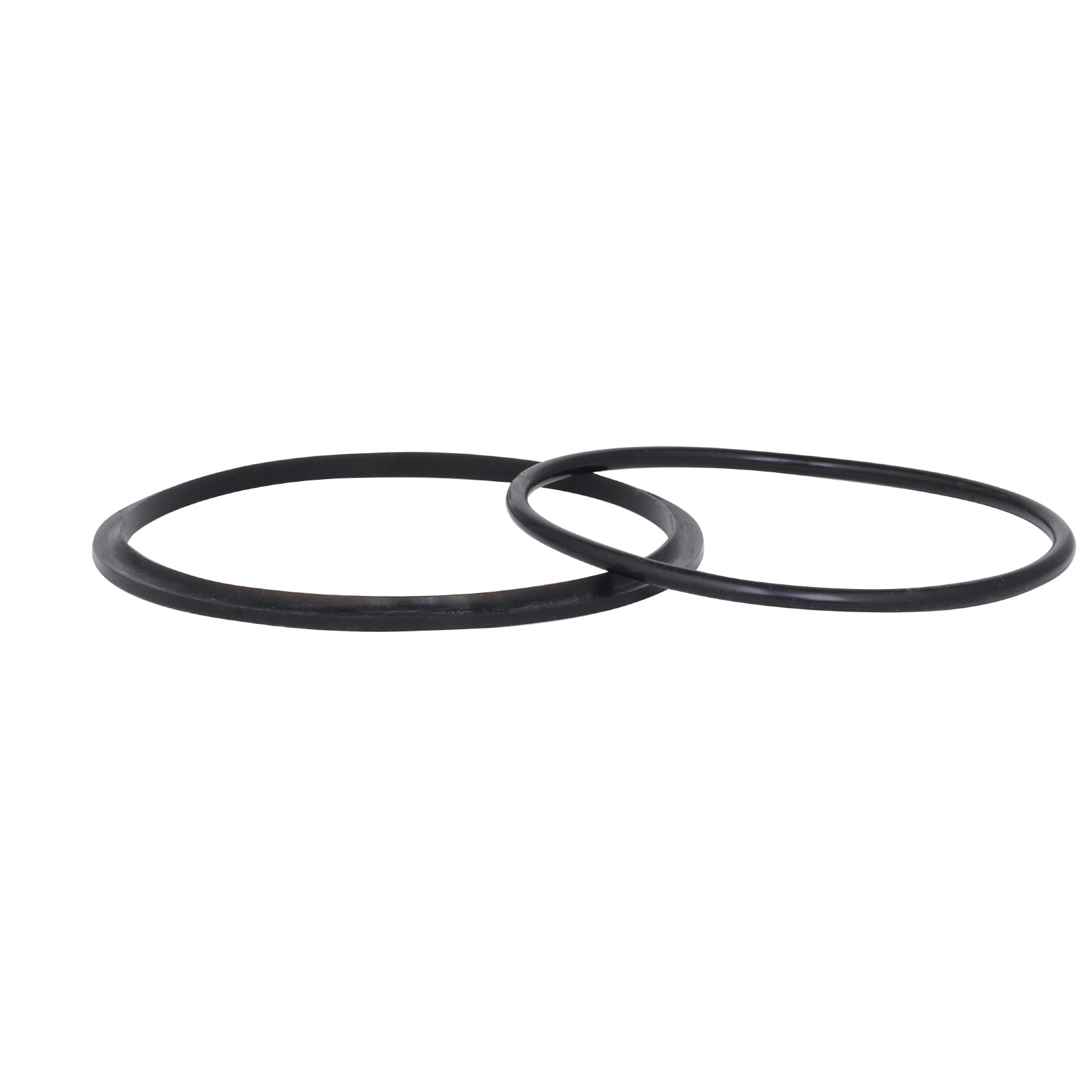
• Lubricate O-ring with picture
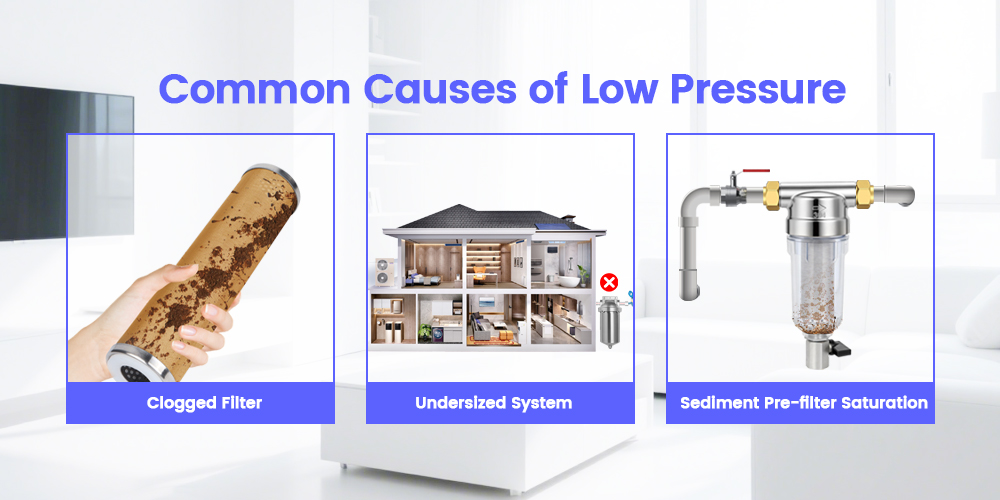
• Cartridge Changes: For sediment-based systems, change your filters every 6–12 months. If you notice a drop in water pressure, the filter is likely full of iron and needs immediate replacement.
• System Flushes: Oxidation systems often require a "backwash" cycle to clean the filter media. Ensure your timer is set correctly so the system cleans itself when you aren't using water.
• O-Ring Lubrication: When changing filters, always use silicone grease on the O-rings to prevent leaks and ensure the housing remains easy to open next time.
Photo: How to Maintain Clean Water
• Cartridge chagnes with picture
• Flushes water filter picture
• Lubricate O-ring with picture
• Cartridge Changes: For sediment-based systems, change your filters every 6–12 months. If you notice a drop in water pressure, the filter is likely full of iron and needs immediate replacement.
• System Flushes: Oxidation systems often require a "backwash" cycle to clean the filter media. Ensure your timer is set correctly so the system cleans itself when you aren't using water.
• O-Ring Lubrication: When changing filters, always use silicone grease on the O-rings to prevent leaks and ensure the housing remains easy to open next time.
DIY vs. Professional Installation
Can you install an iron filter yourself? If you are handy with a wrench and familiar with PEX or copper plumbing, many Amwater Filter systems are DIY-friendly.
However, for complex well water issues involving iron bacteria or extremely low pH, professional installation is recommended. A pro can "fine-tune" the system settings based on your specific water chemistry, ensuring you get 99% removal efficiency from day one.
However, for complex well water issues involving iron bacteria or extremely low pH, professional installation is recommended. A pro can "fine-tune" the system settings based on your specific water chemistry, ensuring you get 99% removal efficiency from day one.
Conclusion: Take Control of Your Well Water
You don't have to live with orange stains and metallic water. Knowing how to filter iron out of well water starts with a test and ends with the right technology.
At Amwater Filter, we are committed to helping well owners achieve city-quality water in a rural setting. Our high-performance filtration systems are designed to tackle the toughest ferrous and ferric iron challenges, protecting your home and your health for years to come.
Ready to clean up your water? Explore our Iron Removal Solutions today and say goodbye to rust stains forever. Whether you need replacement cartridges or a brand-new whole-house setup, the team at Amwater Filter is here to support your journey to pure water.
At Amwater Filter, we are committed to helping well owners achieve city-quality water in a rural setting. Our high-performance filtration systems are designed to tackle the toughest ferrous and ferric iron challenges, protecting your home and your health for years to come.
Ready to clean up your water? Explore our Iron Removal Solutions today and say goodbye to rust stains forever. Whether you need replacement cartridges or a brand-new whole-house setup, the team at Amwater Filter is here to support your journey to pure water.

Leave a comment
This site is protected by hCaptcha and the hCaptcha Privacy Policy and Terms of Service apply.