Fluoride is perhaps one of the most debated topics in the world of water filtration. While many municipal water systems add fluoride to public supplies with the intent of improving dental health, an increasing number of homeowners are seeking ways to remove it. Whether your concerns stem from potential health risks, a desire for total control over your water chemistry, or simply a preference for the taste of pure, additive-free water, finding a filter that actually works is surprisingly difficult.
The truth is, fluoride is a tiny, persistent ion that slips right through standard charcoal pitchers and basic refrigerator filters. If you are serious about removing it, you need specialized technology. At AMWater Filter, we are committed to providing transparency and high-performance solutions for these specific challenges.
In this comprehensive guide, we will break down which water filter technologies effectively remove fluoride, which ones fail, and how you can choose the best system for your household.
The Fluoride Challenge: Why Most Filters Fail
To understand why fluoride is so hard to remove, we have to look at it from a chemical perspective. Unlike chlorine, which is a gas that can be easily "absorbed" by a simple carbon filter, fluoride is an inorganic ion that becomes a part of the water molecule's structure.
Most common filters—like the ones you find in standard grocery store pitchers—rely on Granular Activated Carbon (GAC). While carbon is excellent at making water taste better by removing chlorine and organic compounds, it has almost zero effect on fluoride. To remove fluoride, you need a process that involves either molecular separation or specific chemical attraction.
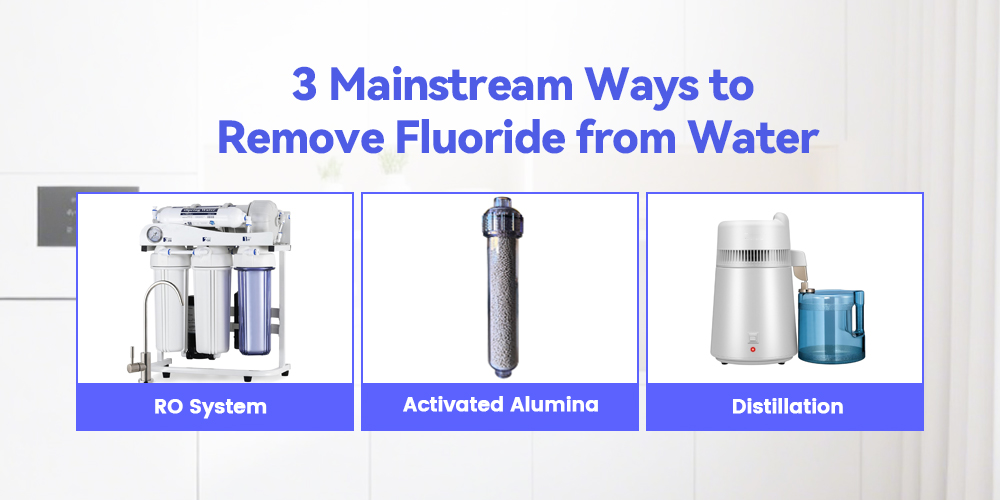
Top 3 Technologies That Successfully Remove Fluoride

1. Reverse Osmosis (RO)
Reverse Osmosis is widely considered the most effective way to strip fluoride from water. It works by forcing water through a semi-permeable membrane with microscopic pores.
- How it works: The membrane pores are so small that they allow water molecules to pass through while blocking larger ions like fluoride, lead, and arsenic.
- Effectiveness: A high-quality RO system can remove between 90% and 97% of fluoride.
- Consideration: RO systems can be slow and often produce "waste water" that is flushed down the drain during the filtration process.
2. Activated Alumina (AA)
This is a highly specialized filter media made of aluminum oxide (the same material as rubies and sapphires, but in a porous, granular form).
- How it works: Activated Alumina doesn't just "sieve" the water; it uses a process called adsorption. The fluoride ions are chemically attracted to the surface of the alumina and stick to it.
- Effectiveness: When maintained at the correct pH and flow rate, AA is incredibly efficient at targeted fluoride removal.
- Consideration: The effectiveness of AA can drop if the water is too alkaline, and the filters must be replaced regularly to prevent saturation.
3. Distillation
Distillation mimics the earth’s natural water cycle. Water is boiled into steam and then condensed back into a liquid in a separate container.
- How it works: Since fluoride has a much higher boiling point than water, it stays behind in the boiling chamber as the pure steam rises.
- Effectiveness: Distillation removes nearly 100% of fluoride.
- Consideration: This process is energy-intensive, takes several hours to produce a single gallon, and leaves the water tasting "flat" because all natural minerals are also removed.
A Specialized Solution: Fluoride Filters for Gravity Systems
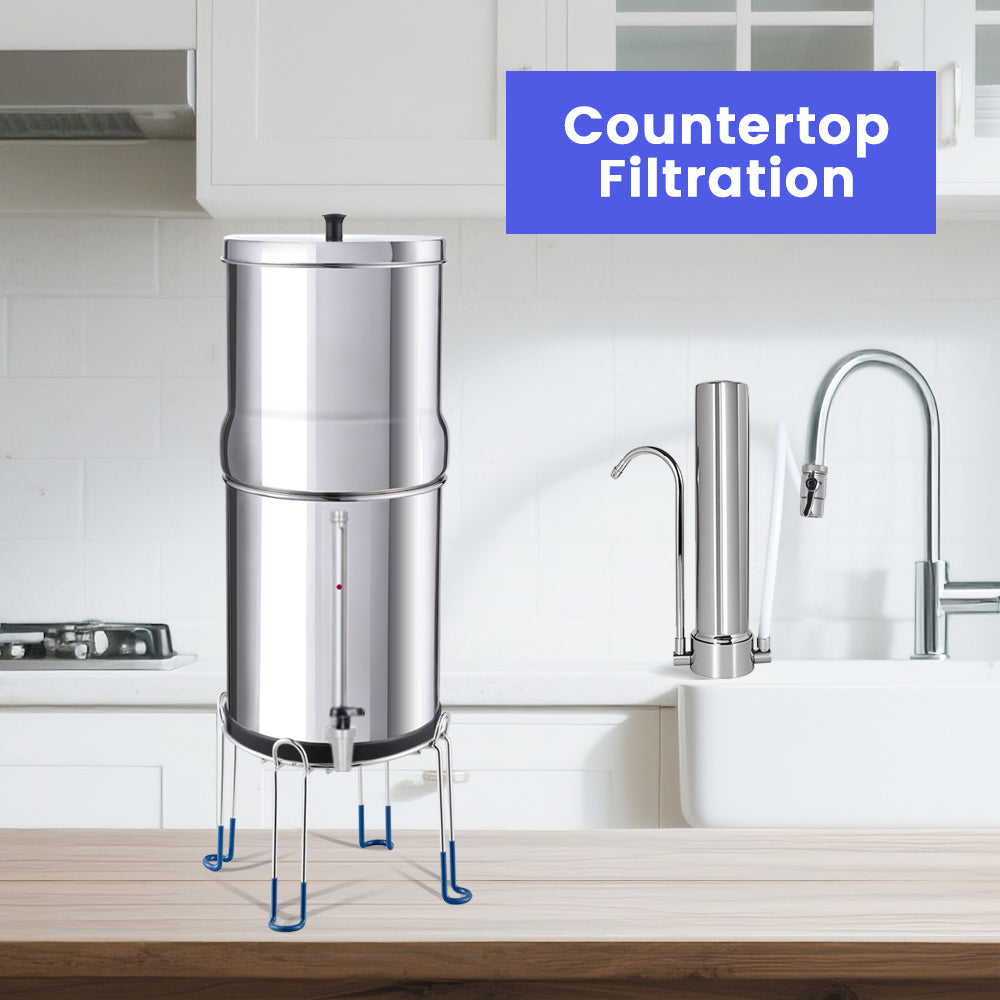
For many households, installing a complex under-sink RO system or waiting hours for a distiller isn't practical. This is where gravity-fed systems—like the popular stainless steel countertop units—offer a perfect middle ground. However, the standard black carbon elements in these systems usually do not remove fluoride on their own.
To solve this, we developed the Fluoride Filter for Gravity Systems.
Why Use a Dedicated Post-Filter?
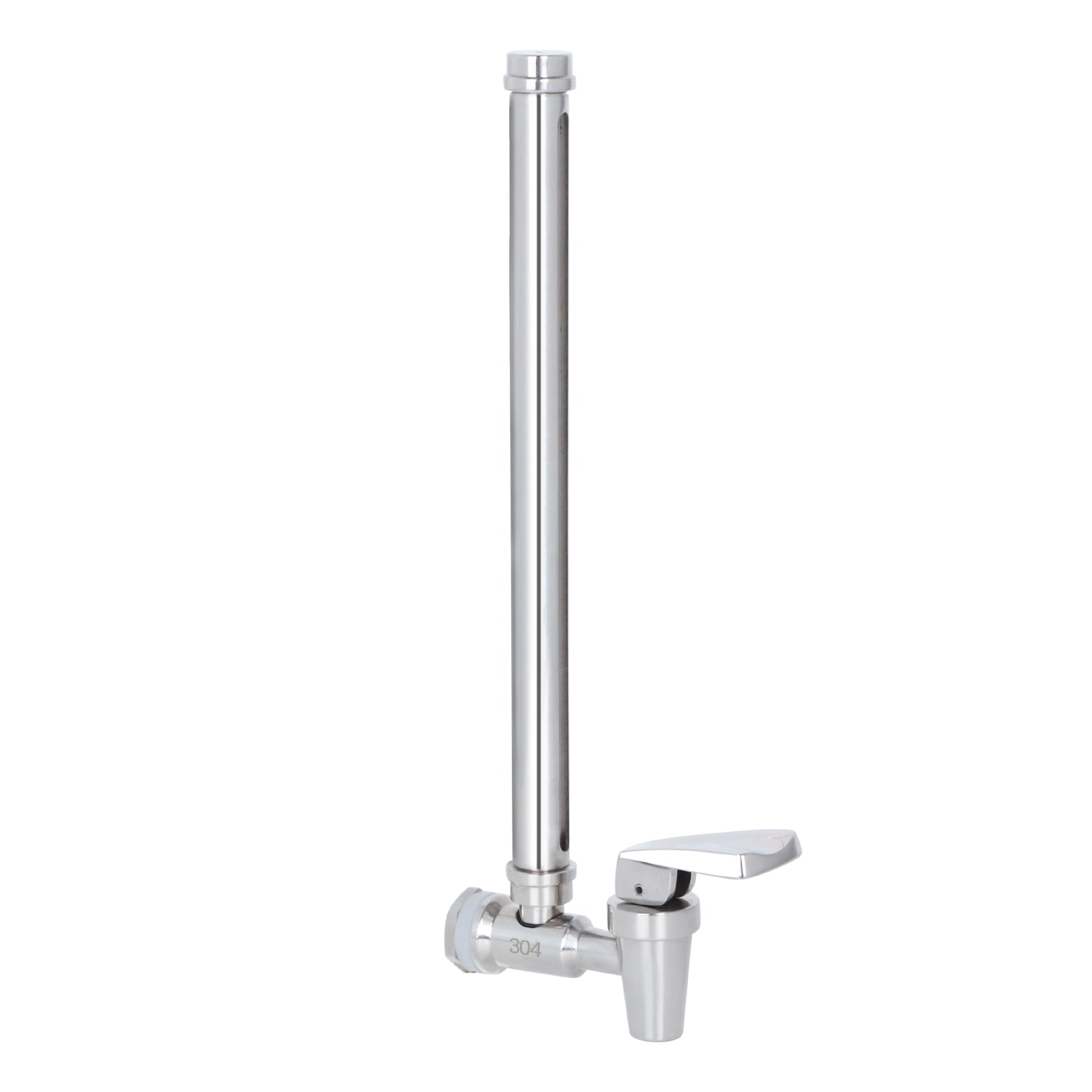
Our fluoride reduction elements are designed as "post-filters" that screw directly onto the stems of your main purification elements. This two-stage approach is the most effective way to handle gravity filtration:
Stage 1: The upper filters remove bacteria, viruses, and chemicals.
Stage 2: The water then drips into our specialized fluoride filters, where the fluoride ions are captured using a high-grade activated alumina proprietary blend.
By separating the processes, you ensure that the fluoride-removing media isn't "clogged up" by other contaminants, allowing it to focus entirely on stripping fluoride from your drinking water.
Common Myths: What Does NOT Remove Fluoride
There is a lot of misinformation online. To save you time and money, here are the systems that will not help you with fluoride:
- Standard Carbon Pitchers: As mentioned, these are for taste and odor only.
- Boiling Water: Boiling water actually increases the concentration of fluoride because as the water evaporates as steam, the fluoride remains and becomes more concentrated in the remaining liquid.
- UV Light Filters: UV is designed to kill bacteria and viruses by disrupting their DNA; it has no effect on dissolved minerals or ions like fluoride.
- Water Softeners: Softeners are designed to swap "hard" minerals (calcium and magnesium) for sodium or potassium. They do not interact with fluoride.
How to Test if Your Filter is Working
Because you cannot taste, smell, or see fluoride, the only way to be sure your filter is performing is through testing.
- Photometer Tests: These are digital handheld devices that provide a precise reading in ppm (parts per million).
- Reagent Kits: Similar to a pool test kit, you add a liquid to a water sample and look for a color change.
- Laboratory Analysis: For the most accurate results, send a "before" and "after" sample to a certified lab. This is the best way to verify that your Fluoride Filter for Gravity Systems is doing its job.
The AMWater Commitment to Purity
At AMWater Filter, we understand that the quality of your water directly impacts the quality of your life. We don't believe in "one size fits all" filtration. Instead, we focus on high-quality, targeted materials that address specific contaminants without compromise.
Our fluoride filters are rigorously tested to ensure they meet the demands of modern households. We use high-purity, lead-free materials to ensure that while we are taking fluoride out, we aren't putting anything else back in.
Final Recommendations: Choosing the Right Path
When deciding on a fluoride filter, ask yourself these three questions:
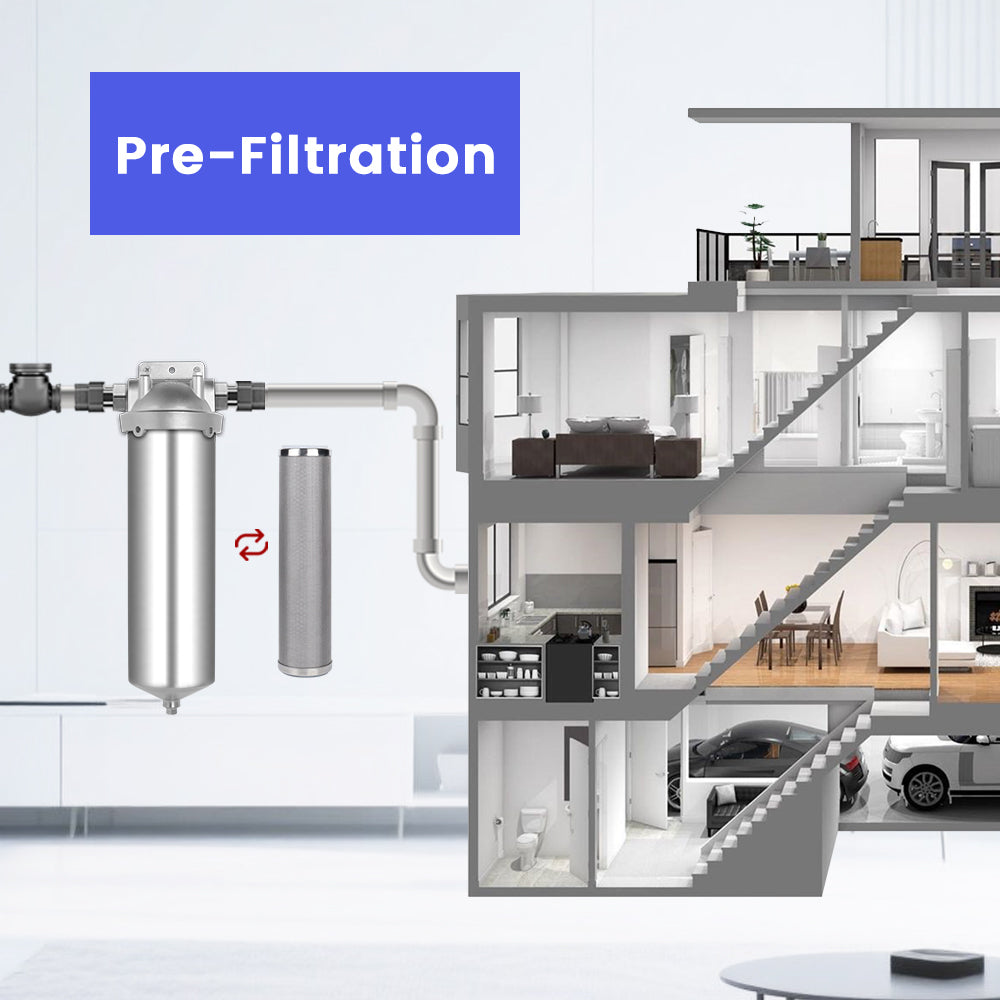
- What is my daily water volume? If you only need drinking water, a gravity system with fluoride post-filters is excellent. If you want to bathe in fluoride-free water, you will need a whole-house system (though these are significantly more expensive).
- Do I want to keep minerals? RO and distillation remove everything, including healthy minerals like calcium. If you want "structured" water that still feels "alive," an adsorption-based filter like our Fluoride Filter for Gravity Systems is a better choice as it targets the fluoride while leaving many beneficial minerals intact.
- What is my budget? Gravity systems offer the best "price-per-gallon" for high-purity water without the need for electricity or professional plumbing installation.
Conclusion
Removing fluoride from water is a difficult technical task, but it is entirely possible with the right equipment. By avoiding the marketing hype of "standard" filters and focusing on scientifically proven methods like Reverse Osmosis or Activated Alumina adsorption, you can ensure your family's water is truly clean.
Are you ready to take control of your water? Explore our specialized Fluoride Filter for Gravity Systems today and experience the difference that truly purified water can make.

Leave a comment
This site is protected by hCaptcha and the hCaptcha Privacy Policy and Terms of Service apply.