In the modern home, your water filtration system is the silent guardian of your family's health. However, like any complex mechanical system, it requires consistent attention to perform at its peak. The purpose of this guide is to empower homeowners with the knowledge to identify malfunctions, perform basic DIY fixes, and understand when a professional water filter system repair is non-negotiable. At AMWater Filter, we believe that while convenience is great, drinking water safety is the absolute top priority.
Overview of Filtration System and Drinking Water
Filtration systems act as a physical and chemical barrier against contaminants such as lead, chlorine, arsenic, and volatile organic compounds (VOCs). By utilizing various stages of media, these systems ensure that the water touching your skin and entering your body is pure.
Common Filtration Technologies
• Activated Carbon: Uses adsorption to remove odors and chemicals.
• Reverse Osmosis (RO): Forces water through a semi-permeable membrane to remove dissolved solids.
• UV Purification: Uses ultraviolet light to neutralize bacteria and viruses.
• Sediment Filtration: A mechanical "sieve" that catches sand, silt, and rust.
• Reverse Osmosis (RO): Forces water through a semi-permeable membrane to remove dissolved solids.
• UV Purification: Uses ultraviolet light to neutralize bacteria and viruses.
• Sediment Filtration: A mechanical "sieve" that catches sand, silt, and rust.
Household vs. Whole-House Setups
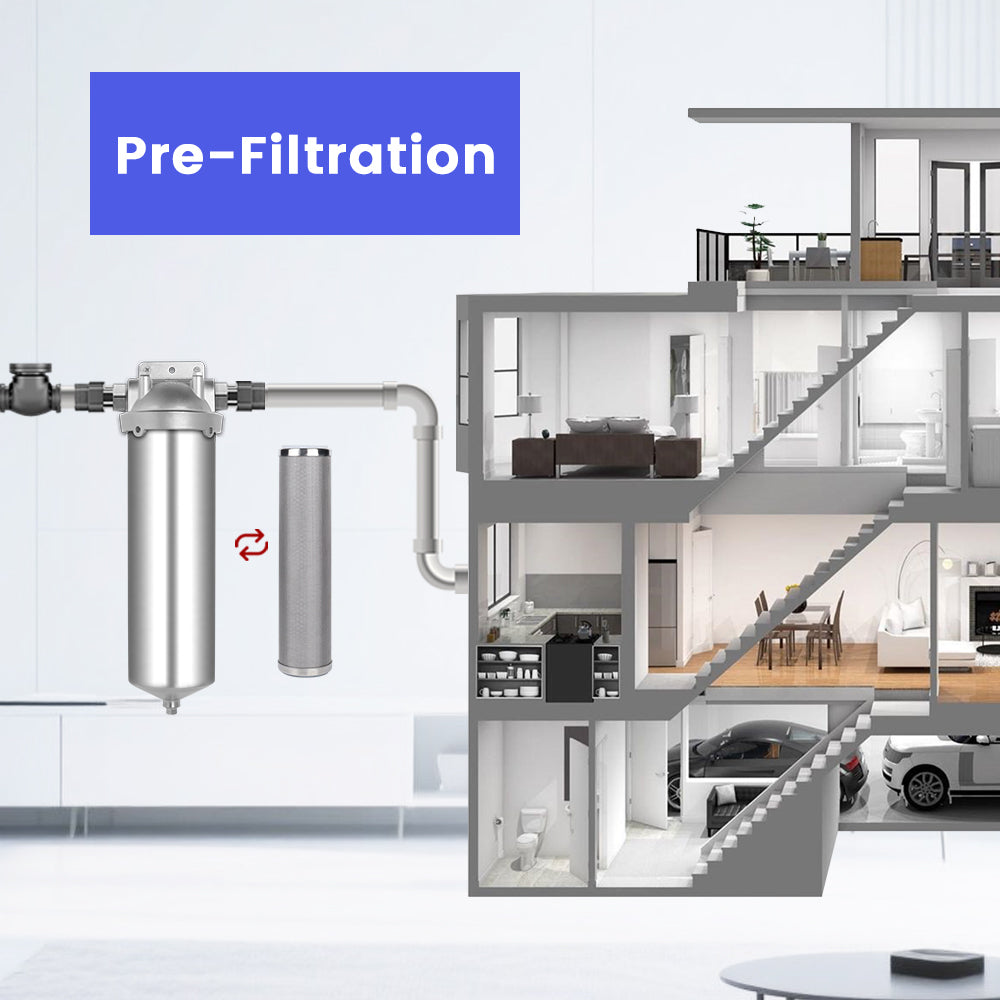
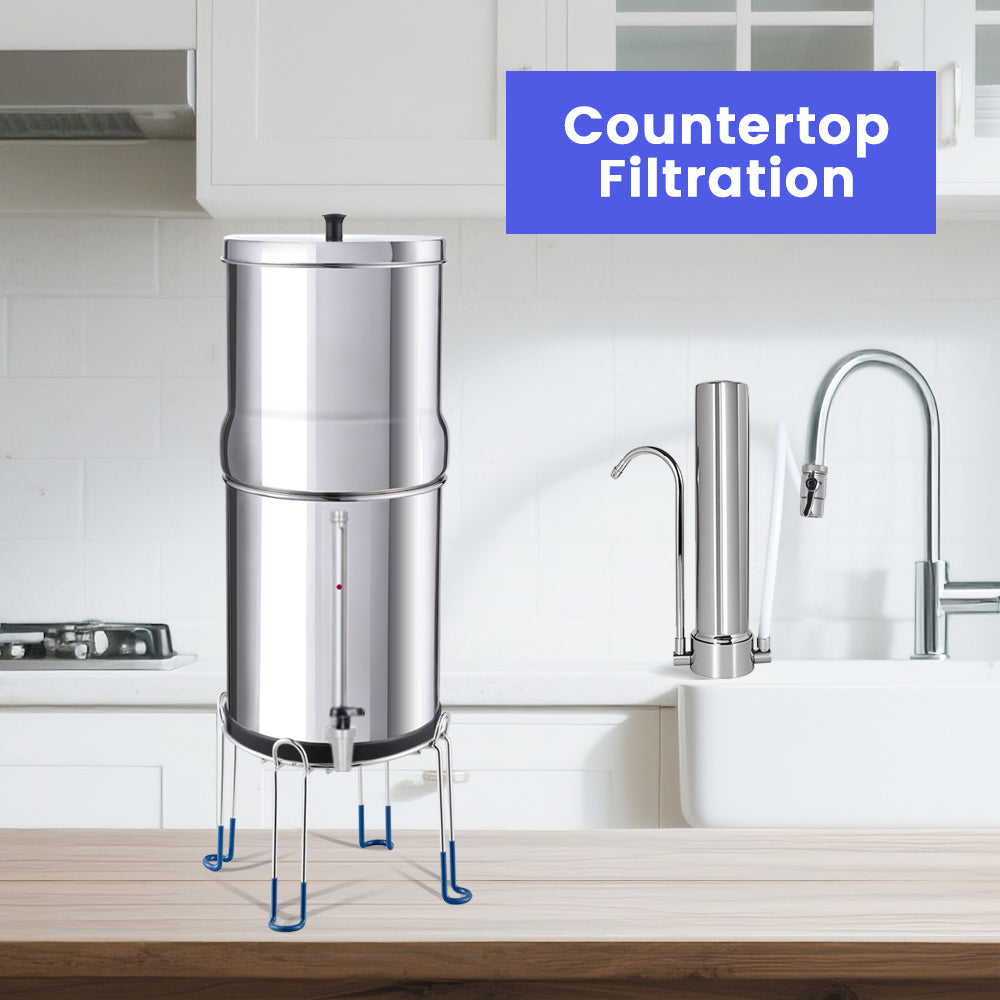
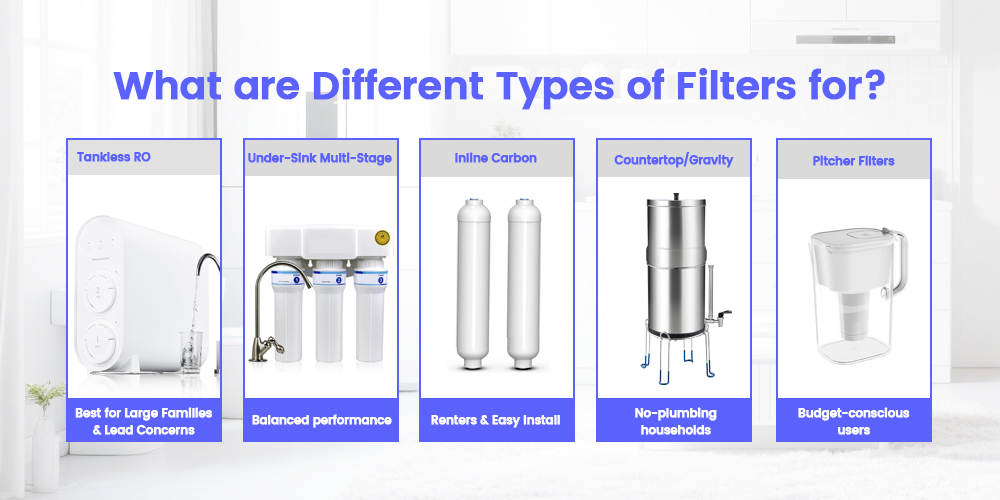
A point-of-use (POU) system, like an under-sink RO unit, focuses specifically on drinking water. Conversely, a whole-house (POE) system treats water as it enters the home, protecting your water heater, dishwasher, and skin from hard minerals and chlorine. Both require distinct maintenance schedules to avoid costly repairs.
Common Signs Your Filter System Needs Repair
Recognizing a failure early can be the difference between a $20 filter swap and a $500 manifold replacement.
• It Smells Bad: If your water develops a "rotten egg" or "metallic" odor, this is an urgent warning sign. It indicates that the filter media is exhausted or, worse, that bacteria are colonizing the system.
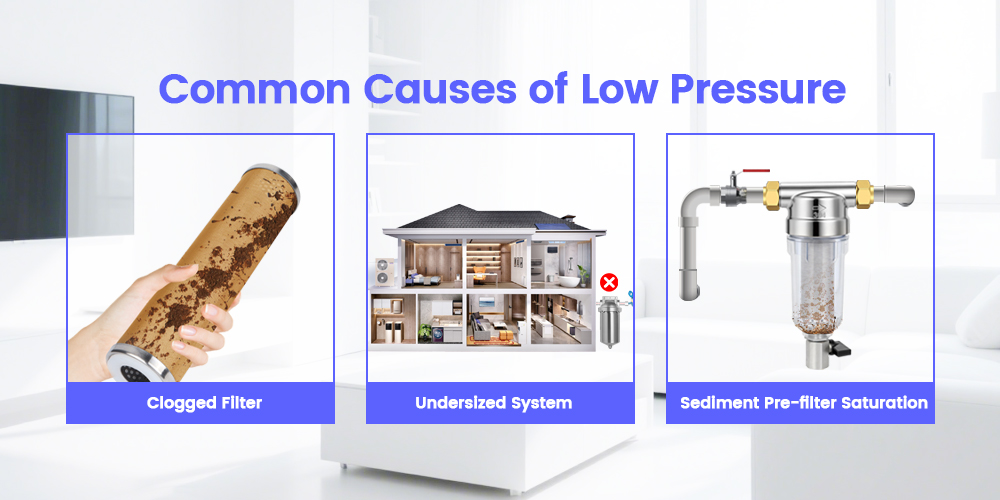
• Low Flow/Pressure Drops: If it takes five minutes to fill a glass of water, your filters are likely "blinded" by sediment.
• Cloudy Water: Turbidity in filtered water suggests a breach in the membrane or a bypass in the filter housing.
• Cosmetic Issues: Staining on sinks (orange for iron, blue-green for copper) despite having a filter indicates the system is no longer effectively treating the water and requires immediate attention.
• It Smells Bad: If your water develops a "rotten egg" or "metallic" odor, this is an urgent warning sign. It indicates that the filter media is exhausted or, worse, that bacteria are colonizing the system.
• Low Flow/Pressure Drops: If it takes five minutes to fill a glass of water, your filters are likely "blinded" by sediment.
• Cloudy Water: Turbidity in filtered water suggests a breach in the membrane or a bypass in the filter housing.
• Cosmetic Issues: Staining on sinks (orange for iron, blue-green for copper) despite having a filter indicates the system is no longer effectively treating the water and requires immediate attention.
Quick DIY Fixes Before Calling Professional Service
Before you pick up the phone, perform these basic checks. Many "malfunctions" are simply oversight.
1. Check Power: Ensure the system is plugged in and the GFCI outlet hasn't tripped. Many smart systems won't allow water flow if the electronic control head is off.
2. Inspect Tubing: Look for kinks in the plastic lines. A pinched tube is a common cause of low pressure.
3. Reset Controls: Just like a computer, sometimes the digital head of a water softener or RO system needs a "hard reset" to clear error codes.
1. Check Power: Ensure the system is plugged in and the GFCI outlet hasn't tripped. Many smart systems won't allow water flow if the electronic control head is off.
2. Inspect Tubing: Look for kinks in the plastic lines. A pinched tube is a common cause of low pressure.
3. Reset Controls: Just like a computer, sometimes the digital head of a water softener or RO system needs a "hard reset" to clear error codes.
Reverse Osmosis-Specific Fixes
Reverse Osmosis systems are more complex and require specific troubleshooting steps.
• System Flushing: If the system hasn't been used for a week, flush the tank twice to remove stagnant water.
• Check TDS Readings: Use a Total Dissolved Solids (TDS) meter to check the efficiency. If the TDS of the filtered water is more than 15% of the tap water, your membrane may be shot.
• Check Pressure: If the storage tank feels heavy but no water comes out, the internal air bladder may need to be repressurized to approximately 7-8 PSI (when empty).
• System Flushing: If the system hasn't been used for a week, flush the tank twice to remove stagnant water.
• Check TDS Readings: Use a Total Dissolved Solids (TDS) meter to check the efficiency. If the TDS of the filtered water is more than 15% of the tap water, your membrane may be shot.
• Check Pressure: If the storage tank feels heavy but no water comes out, the internal air bladder may need to be repressurized to approximately 7-8 PSI (when empty).
Replacing Filter Cartridges and Basic Swaps
Most water filter system repair tasks are actually just overdue maintenance.

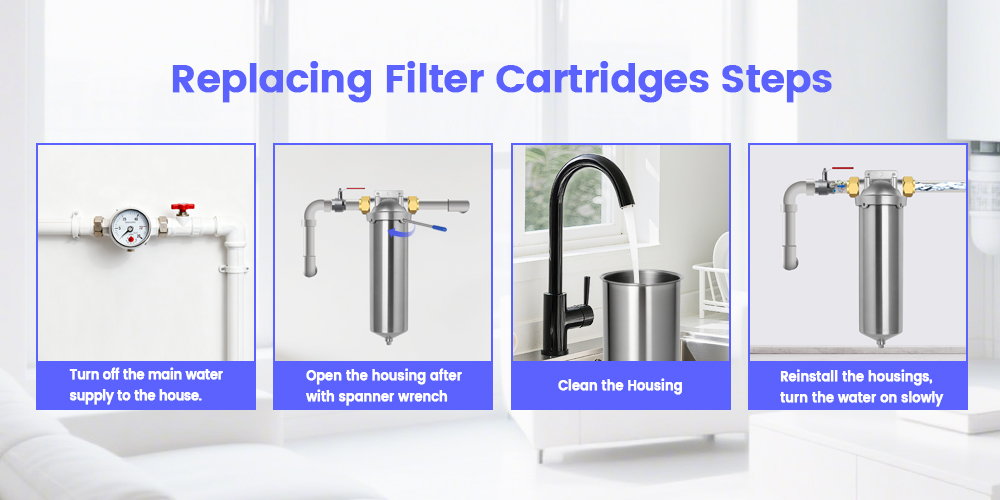
1. Preparation: Turn off the water supply valve and open the faucet to depressurize the lines.
2. The Swap: Use a housing wrench to unscrew the canisters. Remove old sediment and carbon cartridges.
3. Sanitization: Before inserting new filters, wipe the inside of the housing with a clean cloth.
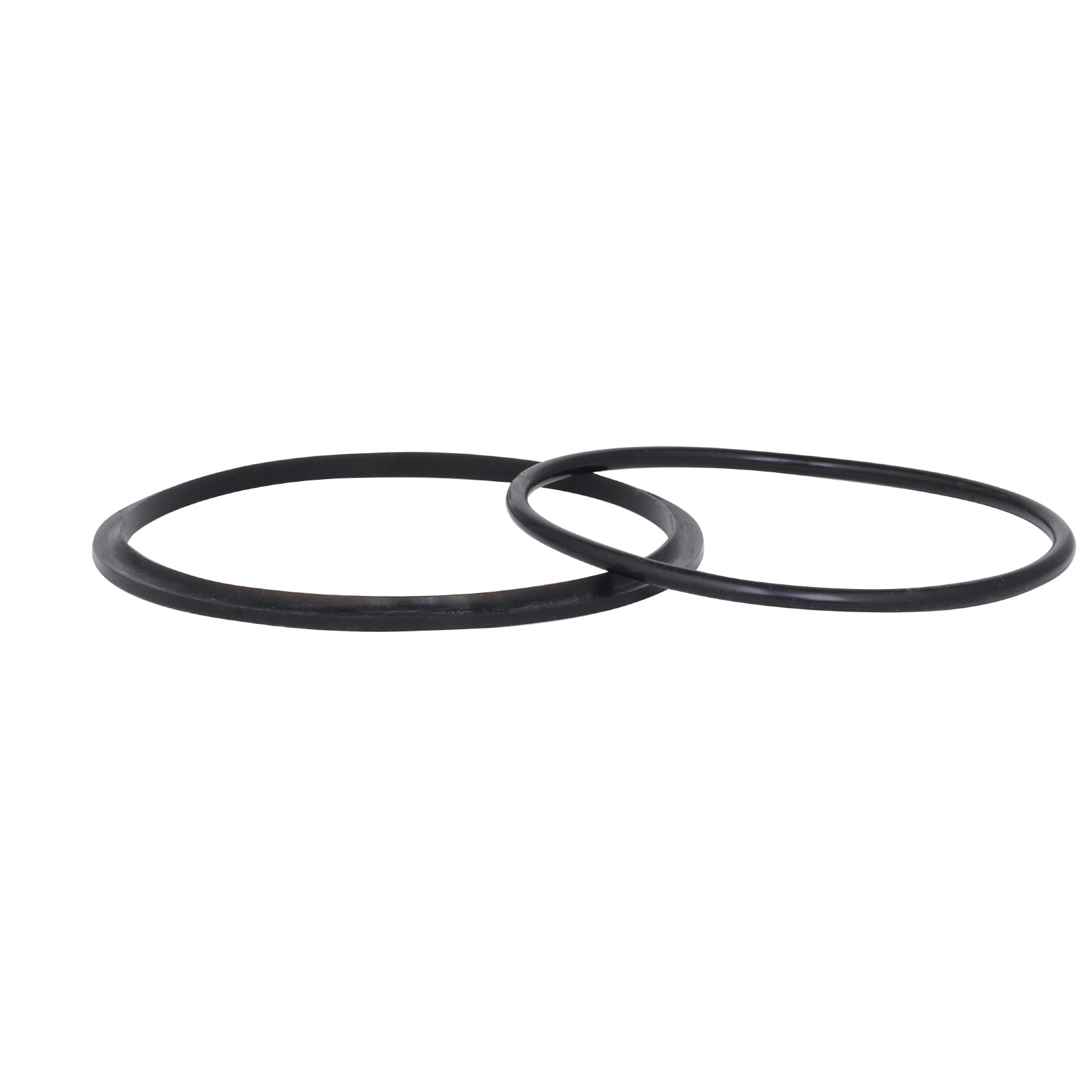
4. Testing: Reinstall the housings, turn the water on slowly, and check for leaks at the O-ring seals.
2. The Swap: Use a housing wrench to unscrew the canisters. Remove old sediment and carbon cartridges.
3. Sanitization: Before inserting new filters, wipe the inside of the housing with a clean cloth.
4. Testing: Reinstall the housings, turn the water on slowly, and check for leaks at the O-ring seals.
When to Call Professional Service
Some issues go beyond a simple filter swap. You should contact a professional if:
• Persistent Contamination: Your water still tests positive for contaminants after you’ve changed the filters.
• Internal Leaks: If you see water dripping from the control valve or the main tank head.
• Multiple Fixture Issues: If the entire house experiences a drop in pressure, the problem may be a blockage in the main filtration bypass.
• Persistent Contamination: Your water still tests positive for contaminants after you’ve changed the filters.
• Internal Leaks: If you see water dripping from the control valve or the main tank head.
• Multiple Fixture Issues: If the entire house experiences a drop in pressure, the problem may be a blockage in the main filtration bypass.
Regular Maintenance for Peak Performance
Preventive maintenance is the key to longevity.
• Monthly: Check for leaks and salt levels (if applicable).
• Annually: Sanitize the entire system with a manufacturer-approved solution to prevent biofilm growth.
• Documentation: Keep a log of every service. This history is invaluable for technicians during a future water filter system repair.
• Monthly: Check for leaks and salt levels (if applicable).
• Annually: Sanitize the entire system with a manufacturer-approved solution to prevent biofilm growth.
• Documentation: Keep a log of every service. This history is invaluable for technicians during a future water filter system repair.
Safety, Sanitation, and Drinking Water Testing
After any repair, the system must be sanitized. A 1/2 teaspoon of unscented bleach in the first housing can help kill lingering bacteria during the initial flush.
Drinking Water Testing: Do not assume the repair worked. Use a home test kit or, for persistent issues, send a sample to a certified lab to ensure your TDS, Lead, and Nitrate levels are within safe EPA limits.
Drinking Water Testing: Do not assume the repair worked. Use a home test kit or, for persistent issues, send a sample to a certified lab to ensure your TDS, Lead, and Nitrate levels are within safe EPA limits.
Choosing a Repair Service
If you decide to hire help, ensure you:
• Verify Certifications: Look for WQA (Water Quality Association) certified technicians.
• Get Estimates: Never authorize work without a written estimate.
• Ask About Warranties: A reputable repair should come with at least a 90-day warranty on labor.
• Verify Certifications: Look for WQA (Water Quality Association) certified technicians.
• Get Estimates: Never authorize work without a written estimate.
• Ask About Warranties: A reputable repair should come with at least a 90-day warranty on labor.
Next Steps for Reliable Water Filter System Repair
Maintaining your water quality shouldn't be a guessing game. By staying proactive with your maintenance log and reacting quickly to changes in taste or smell, you protect both your investment and your health.
If you are experiencing persistent issues or need a professional to look at your setup, AMWater Filter is here to help. Whether you need high-quality replacement cartridges or emergency repair advice, we are your partners in pure water.
If you are experiencing persistent issues or need a professional to look at your setup, AMWater Filter is here to help. Whether you need high-quality replacement cartridges or emergency repair advice, we are your partners in pure water.

Leave a comment
This site is protected by hCaptcha and the hCaptcha Privacy Policy and Terms of Service apply.