Access to clean, safe drinking water is a cornerstone of a healthy home. While many municipal water systems add fluoride to promote dental health, an increasing number of homeowners are concerned about long-term exposure and potential health implications. This guide is designed for health-conscious individuals and families who want to understand how to remove fluoride from water effectively. Whether you are a new parent or a homeowner in an area with high natural fluoride levels, this article will preview the top filtration technologies and help you achieve the peace of mind that comes with pure, filtered water.
Quick Overview of Fluoride in Drinking Water
Test Your Tap: Find Fluoride Levels
• Check Local Status: Start by checking your local water authority’s annual quality report to see if your area is fluoridated.
• Order a Laboratory Test: For the most accurate results, order a certified laboratory water test. This provides a precise reading of fluoride levels in parts per million (ppm).
• Post-Installation Testing: Once you decide how to filter out fluoride and install a device, test the filtered tap water again to verify the system is performing as advertised.
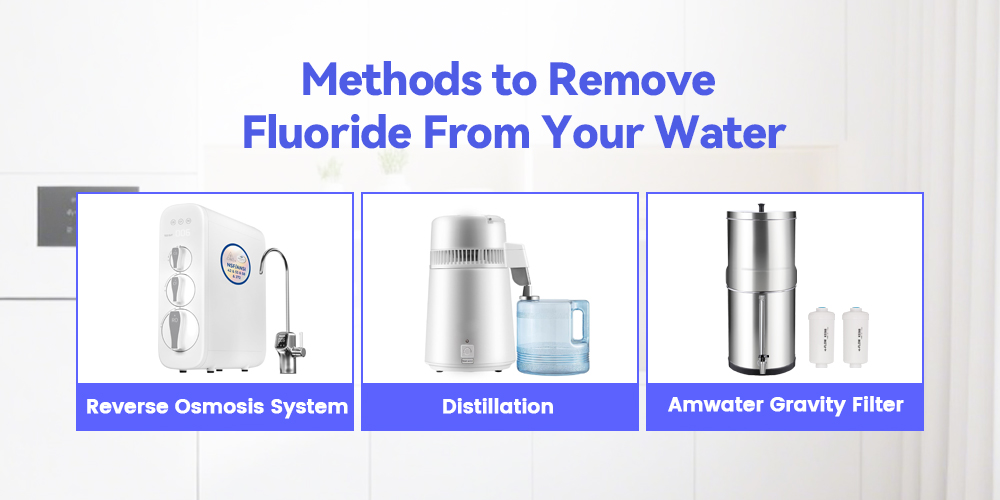
Methods to Remove Fluoride From Water

Reverse Osmosis (RO) For Fluoride Removal
• Capabilities: An RO membrane uses pressure to force water through a semi-permeable layer, which can reduce fluoride by up to 95%.
• Certifications: When shopping, always check for NSF/ANSI 58 certification, which verifies the system's ability to reduce specific contaminants.
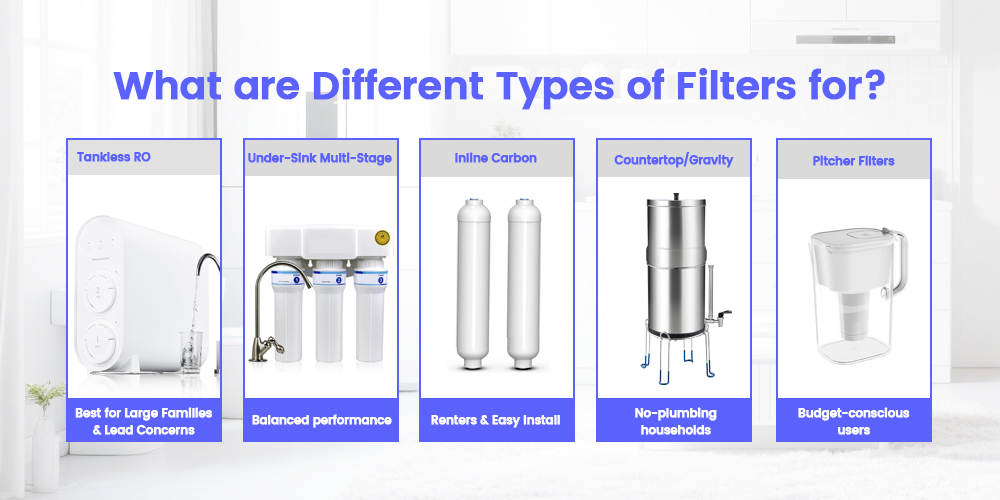
• Installation: Homeowners can choose under-sink RO units for dedicated drinking water.
• Remineralization: Because RO removes almost everything, we recommend adding a re-mineralizer to restore beneficial minerals and improve taste.
Distillation and Boiling: Effectiveness for Fluoride
• Distillation: This method removes fluoride by heating water into steam and then condensing it back into liquid in a clean chamber, leaving the fluoride behind.
• Boiling Warning: It is vital to note that simple boiling does not remove fluoride. In fact, boiling can increase the concentration of fluoride as the water evaporates while the mineral remains.
Activated Alumina, Bone Charcoal, and Ion Exchange
• Activated Alumina: This media uses adsorption basics to attract fluoride ions to its surface. It is highly effective but requires the water to be within a specific pH range.
• Ion Exchange: These systems use fluoride-specific resins to swap fluoride ions for other harmless ions.
• Verification: Always advise verifying manufacturer fluoride removal data before purchase, as the effectiveness of these media can vary based on water flow and temperature.
Compare Fluoride Removal Options
|
Method |
Removal Rate |
Cost Level |
Best Use Case |
|
Reverse Osmosis |
90-95% |
Moderate/High |
Point-of-use drinking water |
|
Distillation |
99% |
Moderate |
Small volume / Countertop |
|
Activated Alumina |
80-95% |
Moderate |
Gravity systems or Whole-house |
|
Standard Carbon |
<10% |
Low |
Not recommended for fluoride |
Choosing a Fluoride Removal System for Your Home
1. Assess Usage: Calculate your daily drinking and cooking water needs.
2. Verify Results: Ensure the product has third-party test results or certifications like NSF.
3. Calculate Costs: Look beyond the purchase price; calculate upfront and ongoing maintenance costs, such as filter replacements.
4. DIY vs. Professional: Decide if you are comfortable with DIY installation or if you require a professional water-treatment technician.
Install, Maintain, and Test Fluoride Filters
• Replacement Schedule: Schedule regular filter and membrane replacements. A clogged filter can become a breeding ground for bacteria or simply stop removing fluoride.
• Periodic Testing: Test treated water periodically for fluoride levels to ensure the media is not exhausted.
Reduce Fluoride Exposure and Dental Care Guidance
• Infant Care: We recommend using low-fluoride or fluoride-free water for infant formula preparation to prevent dental fluorosis.
• Childhood Safety: Advise supervising children’s toothpaste use to ensure they do not swallow it.
• Toothpaste Options: While fluoride has clear dental care benefits, suggest non-fluoride toothpaste options where appropriate or discuss topical treatments with your dentist to balance protection and intake.
DIY and Short-Term Ways to Remove Fluoride
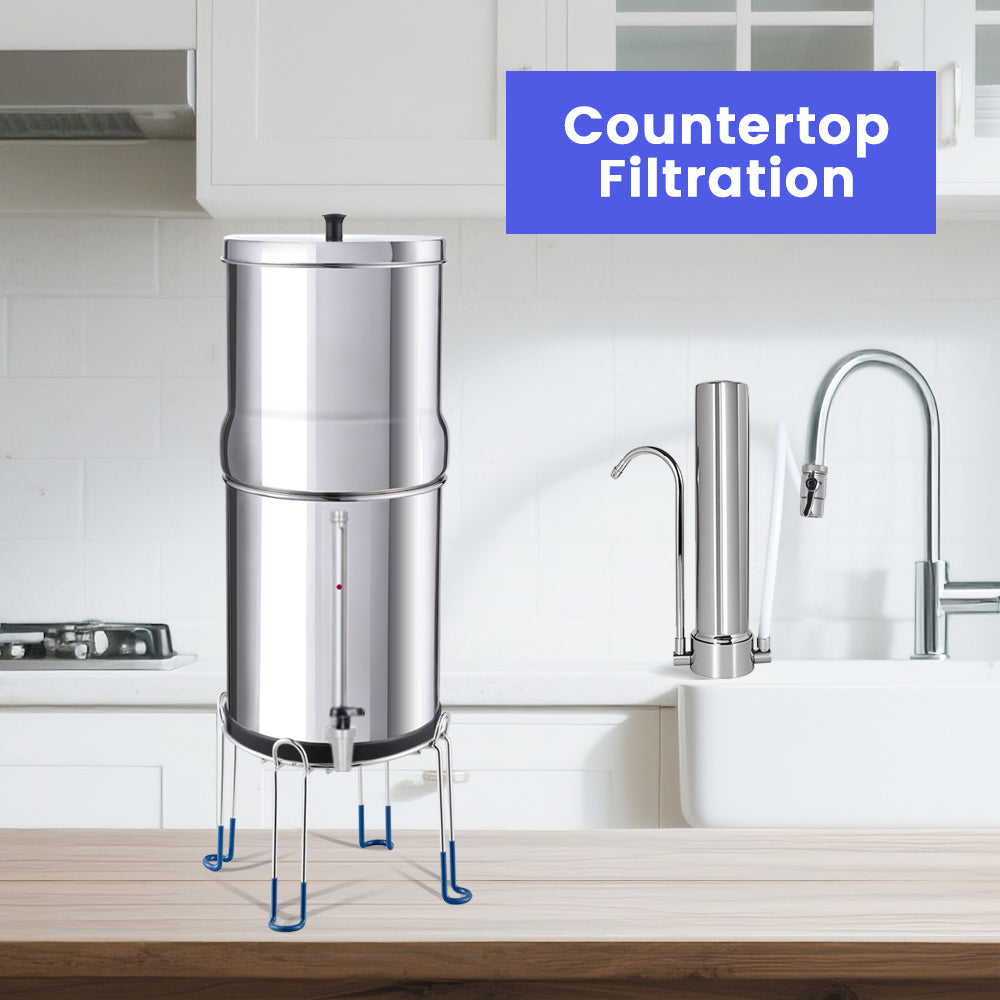
• Countertop Distillers: Excellent for small-volume needs, though they can be slow and use significant electricity.
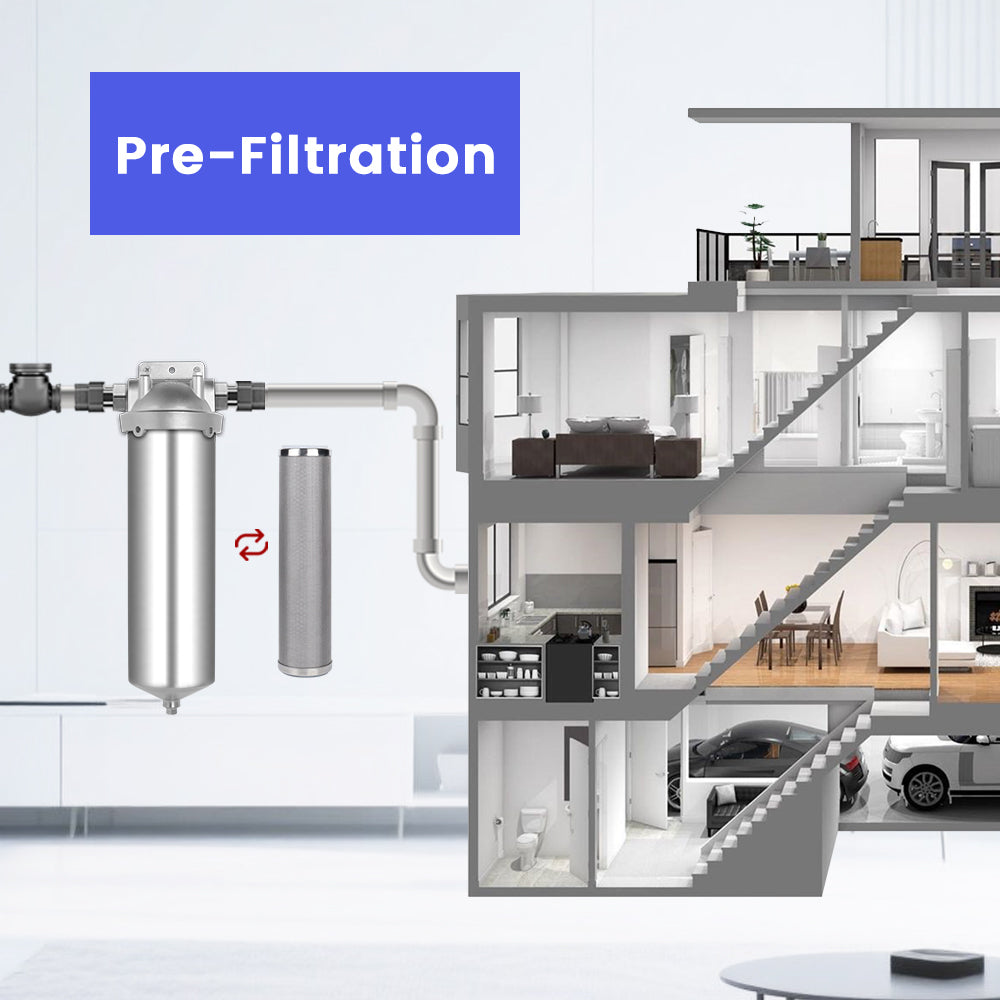
• Gravity Pitchers: Specialized pitchers, like those from Amwater, offer better fluoride reduction than standard grocery store brands.
• Caution: Beware of home-remedy claims like using basil or cilantro; these have no scientific backing for significant fluoride removal.
Frequently Asked Questions
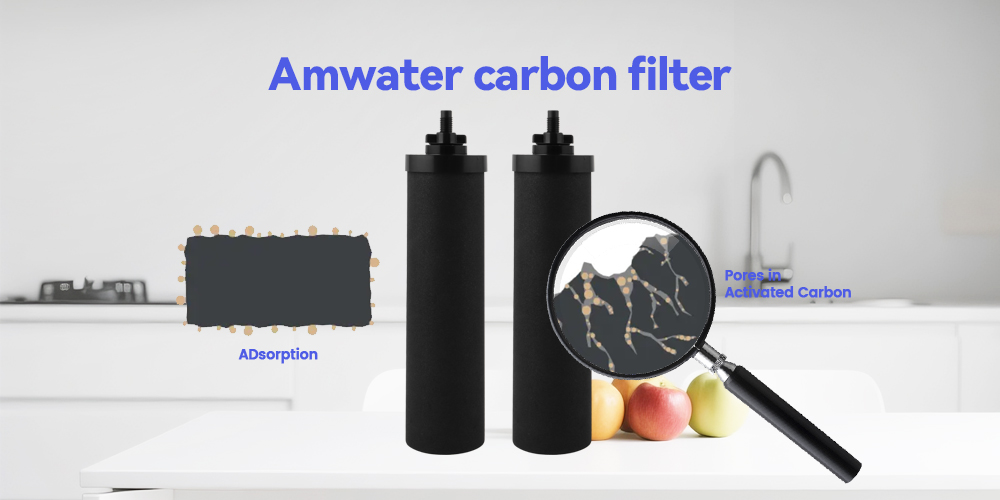
Standard carbon filters do not. You need specialized filters like those found in RO systems or the Amwater gravity series.
Does a water softener remove fluoride?
No. Water softeners are designed to remove calcium and magnesium (hardness), not fluoride.
Is a whole-house RO system necessary?

Leave a comment
This site is protected by hCaptcha and the hCaptcha Privacy Policy and Terms of Service apply.