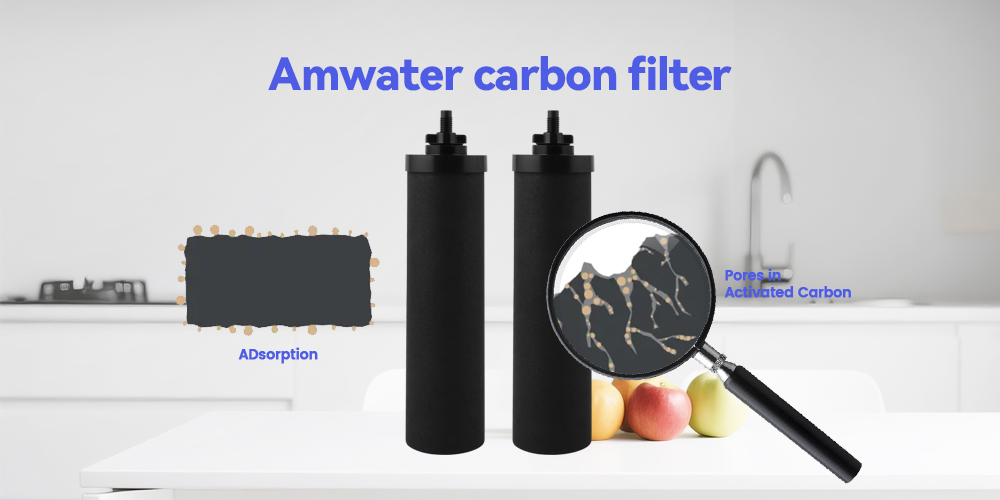
When homeowners begin researching how to improve their tap water, the first tool they usually encounter is the activated carbon filter. Whether it is a pitcher in the fridge or a dedicated faucet attachment, carbon is the industry standard for making water taste and smell better. However, a critical question remains for health-conscious families: does a carbon filter remove fluoride?
The concise answer for typical, off-the-shelf carbon filters is no. While carbon is a powerhouse at removing organic compounds and chlorine, it is largely ineffective against dissolved minerals like fluoride. To reliably remove fluoride, homeowners must look toward specialized alternatives such as Reverse Osmosis, Distillation, or advanced media like Activated Alumina.
How Activated Carbon Filters Work In Drinking Water Systems

• Bituminous Coal: A traditional and effective source for general filtration.
• Coconut Shell: Increasingly popular due to its high density of micropores and renewable nature.
• Wood-based Carbon: Often used for removing larger color and odor molecules.
In any carbon system, contact time and flow rate are vital. The longer the water stays in contact with the carbon, the more impurities it can "grab." However, even with long contact times, the chemical bond between fluoride and water is too strong for standard carbon to break.
Why Standard Carbon Filters Often Fail To Remove Fluoride
Standard granular and block carbon media are designed to catch "organic" contaminants (carbon-based). Fluoride is an "inorganic" mineral. Because of its small molecular size, it simply slips through the pores of a standard carbon block like sand through a wide-mesh net.

Special Activated Carbon And Activated Charcoal Filters That Can Reduce Fluoride
• Bone Char Carbon: This is one of the oldest and most effective forms of carbon for fluoride. It is made from animal bones and contains tricalcium phosphate, which has a natural affinity for fluoride.
• Modified Media: Some high-end cartridges combine activated carbon with Activated Alumina. This hybrid approach allows the filter to remove chlorine and odors while the alumina specifically targets the fluoride.
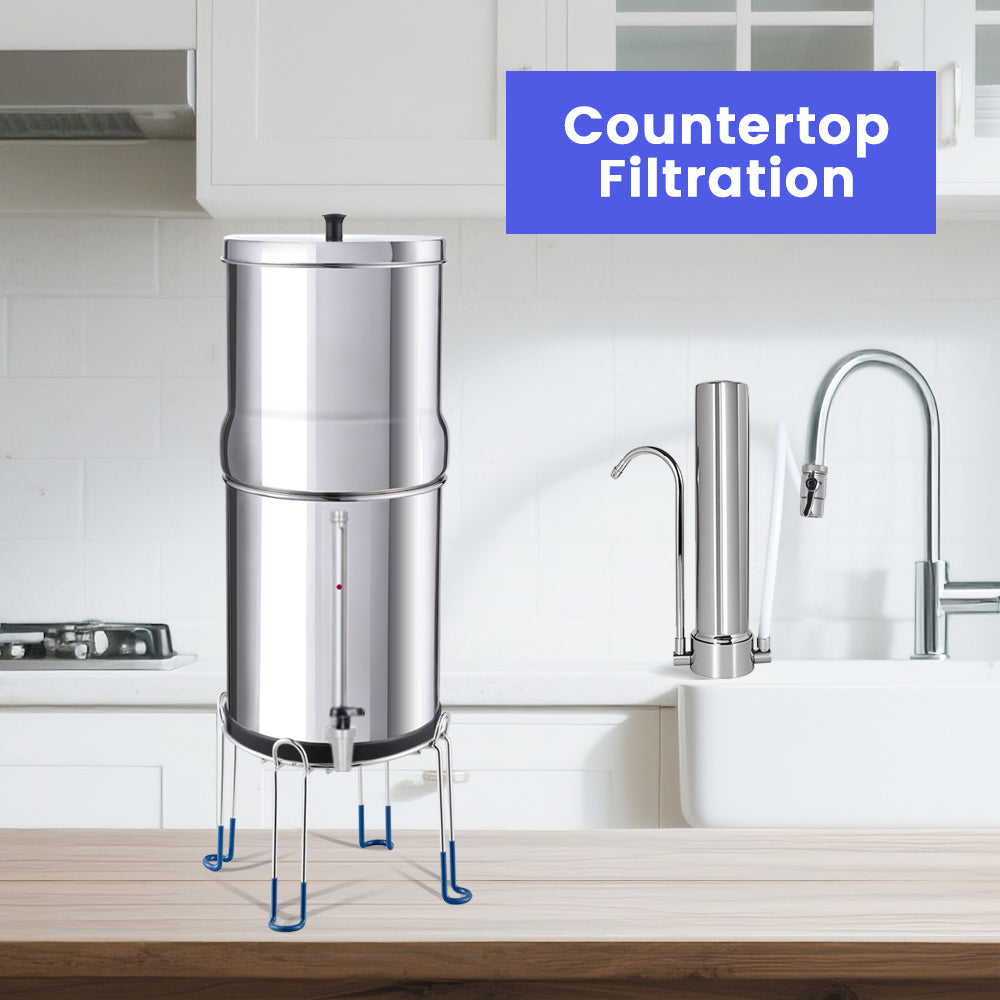
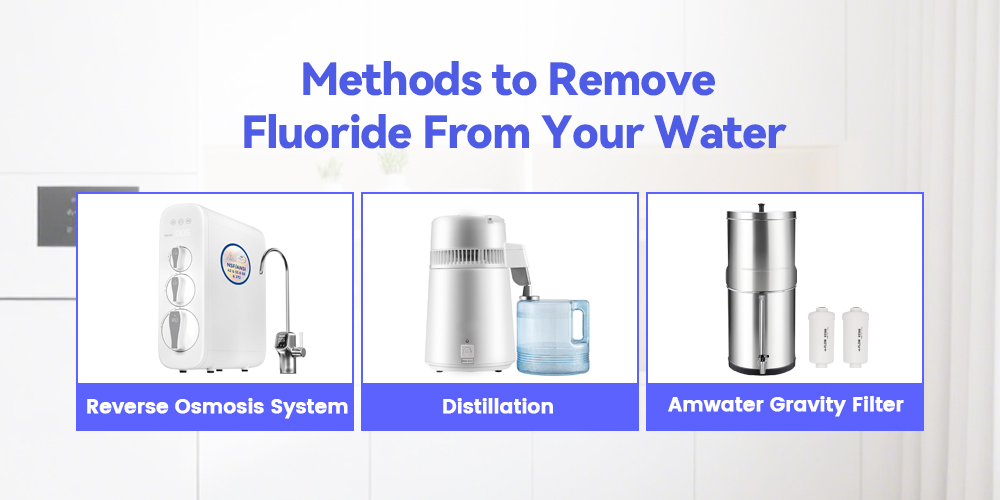
Before purchasing, we always advise verifying vendor test data. At Amwater, we prioritize transparency. For those using gravity-fed setups, our Amwater Fluoride Filter for Gravity Systems utilizes specialized media specifically engineered to fill the gap where standard carbon filters fall short.
What Filters Remove Fluoride: Effective Alternatives
1. Reverse Osmosis (RO): This is the gold standard. By using a semi-permeable membrane, RO systems reject fluoride based on its size and charge, typically removing 90% to 95% of the mineral.
2. Distillation: This process mimics the natural water cycle. By boiling water into steam and then cooling it back into liquid, fluoride is left behind in the boiling chamber. It is nearly 100% effective but can be energy-intensive.
3. Activated Alumina: This is a specialized ceramic-like media that "soaks up" fluoride. It is highly effective but requires a slow flow rate to work correctly.
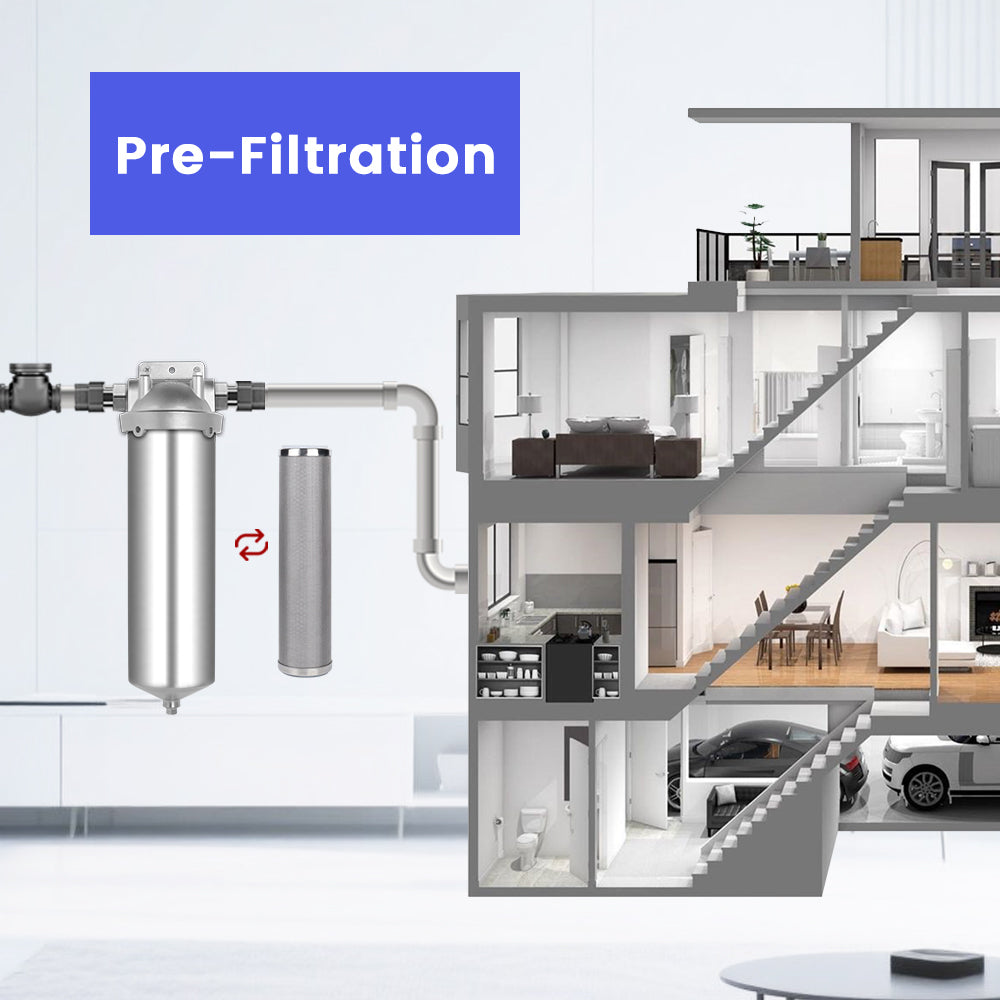
While whole-house treatment is a dream for many, the practicality and constraints of treating every gallon (including toilet and lawn water) for fluoride make it very expensive. Most families find that point-of-use systems at the kitchen tap are the most logical choice.
Designing A Multi-Stage System With Activated Carbon Water Filters
Sediment Filter: Removes dirt and rust to protect the finer filters.
Activated Carbon: Removes chlorine and chemicals that can damage downstream membranes.
Fluoride Filter (RO or Alumina): The final stage that focuses purely on mineral removal.
Sizing your filters correctly ensures that you don't restrict your household flow while still maintaining the necessary contact time for the fluoride media to work.
Testing, Verification, And Maintenance
• Baseline Testing: Get your water tested by a certified lab to see your starting fluoride levels.
• Confirmation: After installing your Amwater system, test again to confirm the removal rates are meeting your expectations.
• Maintenance: No filter lasts forever. Routine filter replacement intervals are essential. For carbon-based pre-filters, this is usually every 6 months; for specialized fluoride media, it depends on your local water volume.
Practical Buying Tips
Compare the upfront costs of a high-quality system versus the ongoing expense of bottled water. Over time, an at-home filtration system like the Amwater gravity series is significantly more affordable and environmentally friendly. Be sure to evaluate the cartridge lifespan and replacement cost to understand your long-term investment.
Conclusion: Choosing The Right Solution
To truly protect your family, we recommend a system that combines the chemical-stripping power of carbon with the mineral-targeting ability of specialized media. We prompt readers to test their water today and select an appropriate system—like our specialized gravity-fed fluoride filters—to ensure every glass of water is as pure as possible.
Visit Amwater today to explore our full range of filtration solutions designed for the modern home.


Leave a comment
This site is protected by hCaptcha and the hCaptcha Privacy Policy and Terms of Service apply.