
Many of us make the switch to water filtration systems to avoid the environmental nightmare of single-use plastic bottles. It feels great to know you are significantly reducing bottled water waste, but a new question eventually bubbles up: what do you do with the filter once it’s lived its best life?
At AMWater Filter, we believe that clean water shouldn't come at the cost of a dirty planet. Disposing of your spent cartridges responsibly is the final step in a truly sustainable lifestyle. This guide will walk you through everything you need to know about how to recycle and dispose of your water filters properly.
Why Proper Disposal and Recycling Matter
Every year, millions of water filters end up in landfills. While they are much better for the environment than the thousands of plastic bottles they replace, they aren't harmless if thrown in the trash.
Environmental Impact
Most filters are encased in plastic (polypropylene), which can take hundreds of years to decompose. Furthermore, the "guts" of the filter—the activated carbon, ion-exchange resin, or ceramic—trap heavy metals and chemicals. When left in a landfill, these concentrated contaminants can eventually leach back into the soil.
The Motivation to Recycle
By following a few simple recycling steps, you ensure that the plastic casing is reborn into new products and the internal media is handled safely. Choosing to recycle water filters completes the "green" cycle you started when you moved away from bottled water.
Identify Your Water Filter Type and Replacement Timing
Before you can dispose of a filter, you need to know what you're working with. Different systems have different lifespans and components.
Common Filter Types
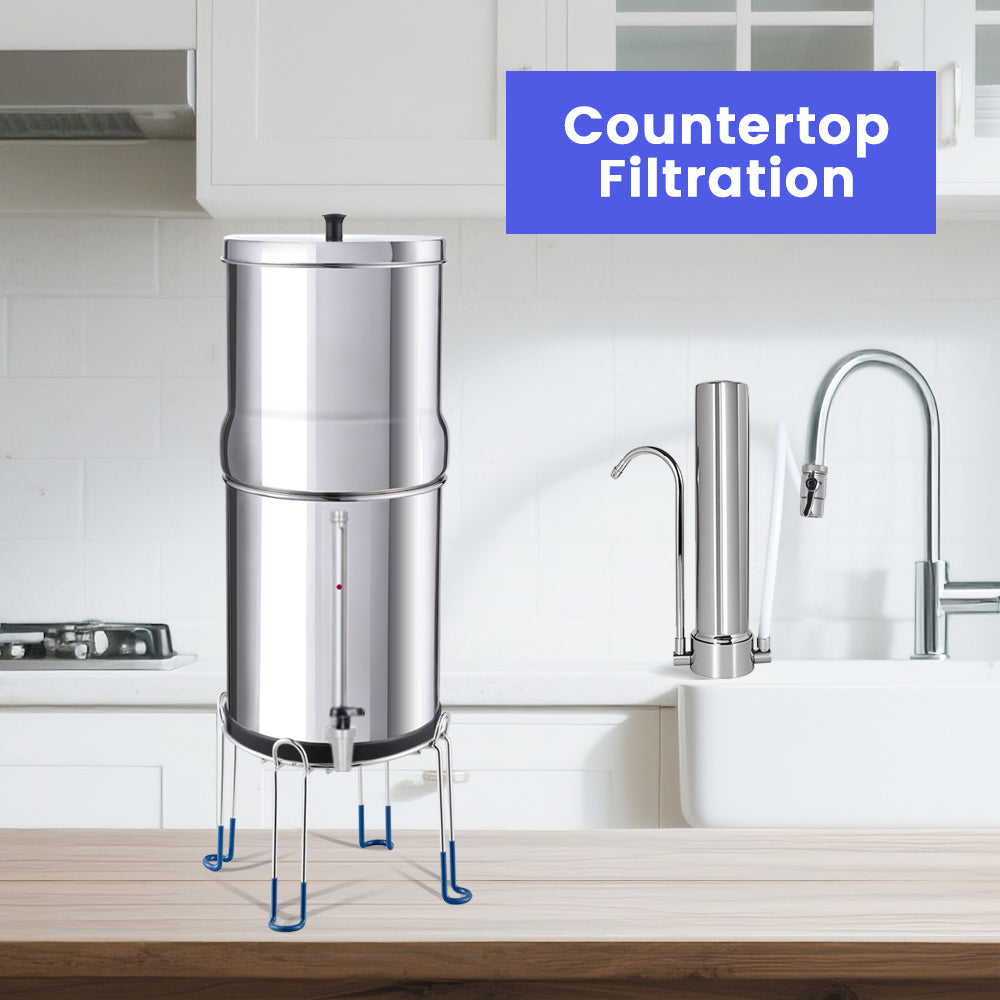
- Pitcher and Countertop Water Filters: Small, gravity-fed cartridges.
- Faucet-Mounted Filters: Small cylinders that attach directly to your tap.
- Refrigerator Filters: Long, slender canisters found inside your fridge.
- Under-Sink and Reverse Osmosis (RO) Systems: Multi-stage systems with various pre-filters and membranes.
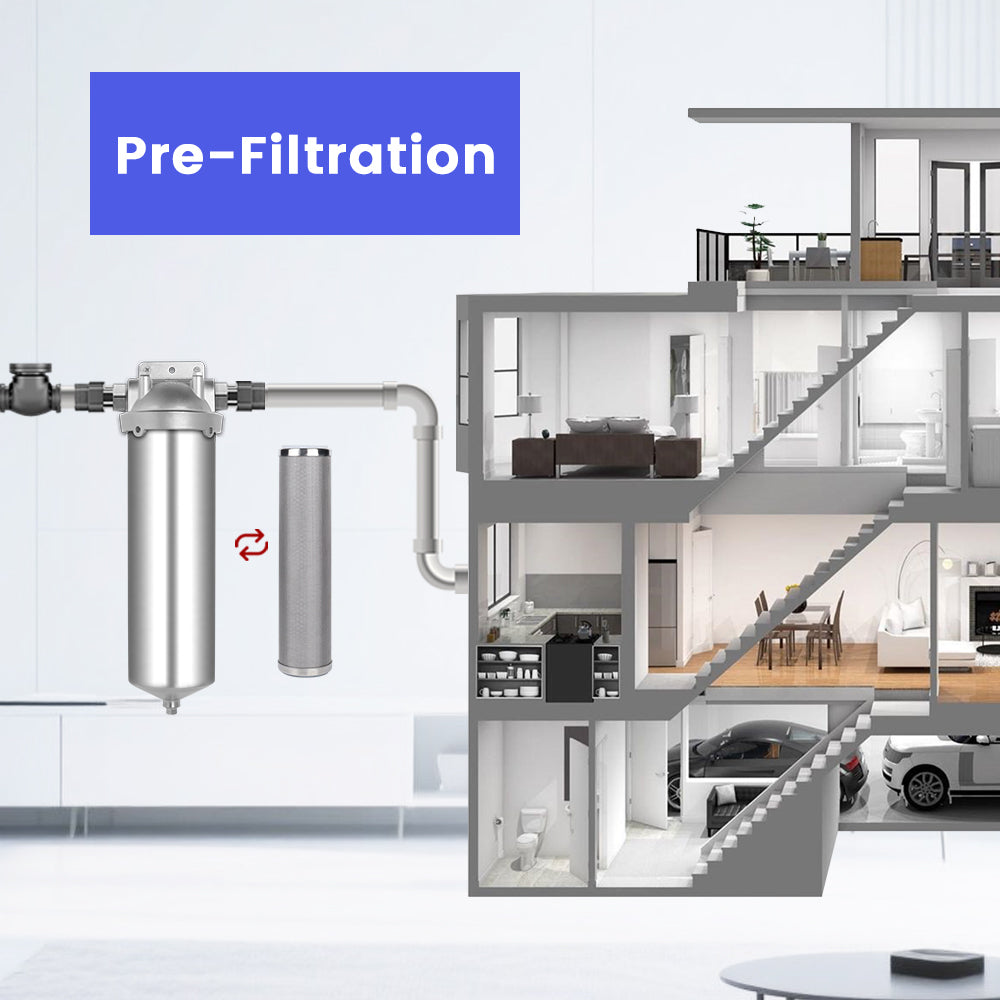
- Whole House Systems Water Filters: Large-scale canisters designed for high-flow filtration.
When to Replace
Using a filter past its prime can actually result in worse water quality. Keep an eye out for these signs:
- Flow Rate: Water starts trickling slower than usual.
- Taste and Odor: The familiar "tap water" smell or a metallic taste returns.
- Indicator Lights: Most modern systems have a built-in timer or sensor.
- Typical Intervals: Pitcher filters usually last 2 months, while high-quality AMWater Filter under-sink systems can last 6 to 12 months depending on the model.
How To Recycle Each Water Filter Type
You can't just toss a whole filter into your curbside blue bin. Most municipal recycling programs aren't equipped to handle the mixed materials inside.
Pitcher, Cartridge, and Fridge Filters
These are the most commonly recycled items. The key is separation. If the filter is designed to be opened, you should separate the plastic casing from the internal media. However, many are sealed units. For sealed units, you must use a dedicated mail-back program (see the next section).
Whole-House and RO Systems
Reverse Osmosis systems involve multiple stages. The sediment and carbon blocks can often be recycled if the plastic ends are removed. The RO membrane itself is a complex composite and is rarely recyclable through standard means, often requiring specialized waste handling.
Pro Tip: Always dry out your filters for 2-3 days before attempting to recycle or mail them. This prevents mold growth and reduces shipping weight.
Manufacturer Recycling Programs and Mail-Back Options
Many major brands have realized that customers want sustainable options.
- Brita & PUR: Often partner with TerraCycle to provide collection points or mail-in labels.
- ZeroWater: Offers a dedicated program where you can mail back used filters (sometimes in exchange for coupons).
- TerraCycle: This is the gold standard for "hard-to-recycle" items. They offer Zero Waste Boxes, which are paid services where you fill a box with any brand of water filter and mail it back.
How Mail-Back Works
- Check Eligibility: Visit the manufacturer's website or AMWater Filter resource page.
- Dry and Pack: Wrap the dry filter in a reusable bag or paper to prevent leaks.
- Label: Print the prepaid or paid shipping label.
- Ship: Drop it off at the designated carrier.
While some programs are free, others require you to pay for the shipping box. Consider the environmental benefit as an investment in a cleaner ocean.
Local Recycling and Drop-Off Resources
If you prefer to stay local, do a bit of digital detective work:
- Earth911: Use their searchable database to find locations near you that accept #5 plastics or specific water filtration components.
- Public Works: Your local city or county website often has a "Hard to Recycle" guide.
- Call Ahead: Never assume a center takes filters just because they take plastic. A quick 2-minute call can save you a wasted trip.
Compostable Filters and Reusable Casings
The industry is moving toward Zero Waste designs. You may see filters labeled as "compostable."
- The Reality: Usually, only the internal carbon (if it’s coconut-shell based) is compostable. The outer shell is still often plastic.
- Industrial Composting: Most "compostable" plastics require the high heat of an industrial facility, not your backyard bin.
- The Better Choice: Opt for systems with reusable casings. Instead of throwing away a whole plastic canister, you only replace the internal "pod" or "media," drastically reducing plastic waste.
Efficient Ways To Reduce Filter Waste
The best way to manage waste is to create less of it.
- Choose Long-Life Cartridges: High-capacity filters from AMWater Filter are designed to last longer, meaning fewer replacements per year.
- Water Softeners: If you have hard water, installing a water softener can extend the life of your carbon filters by preventing mineral buildup.
- Refillable Systems: Look for systems where you can simply pour out the old carbon and pour in new granules.
Safe Disposal When Recycling Isn't Available
If you’ve exhausted all recycling options and must use the trash, do it safely:
- Seal It: Place the filter in a sealed bag to ensure any trapped contaminants stay inside the unit.
- Hazardous Waste: If your filter was used to treat specific heavy metal contamination (like high levels of lead), check if your city holds "Hazardous Household Waste" collection days.
DIY Repurpose Ideas For Old Water Filters
Before you bin it, can you use it?
- Planters: Large whole-house filter housings make excellent industrial-style planters for succulents once cleaned.
- Deodorizer: If you can extract the activated carbon and it isn't "clogged" with heavy metals, it can sometimes be used in a mesh bag to deodorize a gym locker or shoes (though effectiveness varies).
- Warning: Never use spent filter media in a food-producing compost pile. The filter's job was to catch toxins—you don't want those in your tomatoes!
Promoting a Greener Future
At AMWater Filter, we want to help you bridge the gap between "buying a filter" and "protecting the planet." By choosing recyclable filter materials and supporting brands with take-back programs, you are voting with your dollar for a cleaner environment.
When you tell a friend, "I haven't bought a plastic bottle in six months," you can now follow it up with, "and I recycle my filters, too!"
Making Sustainability a Seamless Part of Your Life
Properly disposing of your water filters might seem like a small task, but it is these consistent, mindful actions that define our impact on the planet. By transitioning away from single-use plastics and committing to the responsible recycling of your AMWater Filter system, you are actively reducing the burden on our global ecosystems.
Remember, clean water is about more than just personal health; it's about preserving a world where natural resources remain pure for generations to come. Instead of letting a spent cartridge sit in a landfill for centuries, take a few moments to use the steps outlined in this guide to give your filter components a second life.
At AMWater Filter, we are proud to be your partner in this journey. We are dedicated to providing high-performance filtration that aligns with your values, ensuring that every glass of water you drink is a win for both your family and the environment.


Leave a comment
This site is protected by hCaptcha and the hCaptcha Privacy Policy and Terms of Service apply.