
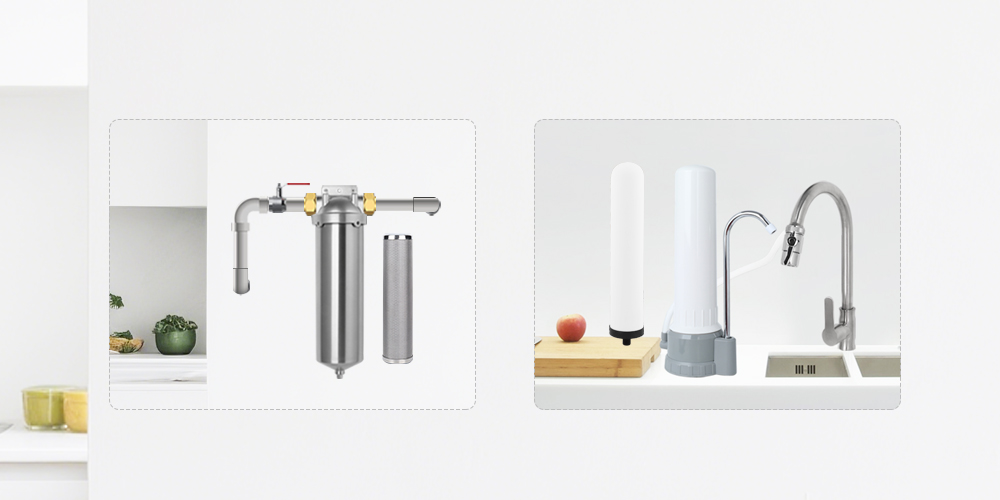
When it comes to ensuring the safety and taste of your home’s drinking water, the market is flooded with various technologies and materials. Among the most popular and durable options are ceramic filters and stainless steel systems. Choosing between them—or finding a system that integrates both—is crucial for long-term health and cost-efficiency. At AMWater Filter, we specialize in high-performance filtration solutions that prioritize material integrity and purification excellence.
In this guide, we will dive deep into the ceramic water filter pros and cons, explore the benefits of stainless steel filter housings, and help you decide which setup is best for your kitchen.

Understanding Ceramic Water Filtration
Ceramic filtration is a time-tested method that dates back over a century. It mimics the Earth's natural process of filtering water through layers of stone and earth. Modern ceramic filters are engineered from diatomaceous earth, fired at extreme temperatures to create a micro-porous structure.
The Ceramic Water Filter Pros
The primary advantage of a ceramic system is its exceptional ability to remove biological contaminants. Most ceramic cartridges have a pore size ranging from 0.5 to 0.9 microns. This is small enough to physically block pathogenetic bacteria such as E. coli, Cholera, and Salmonella, as well as cysts like Giardia and Cryptosporidium.
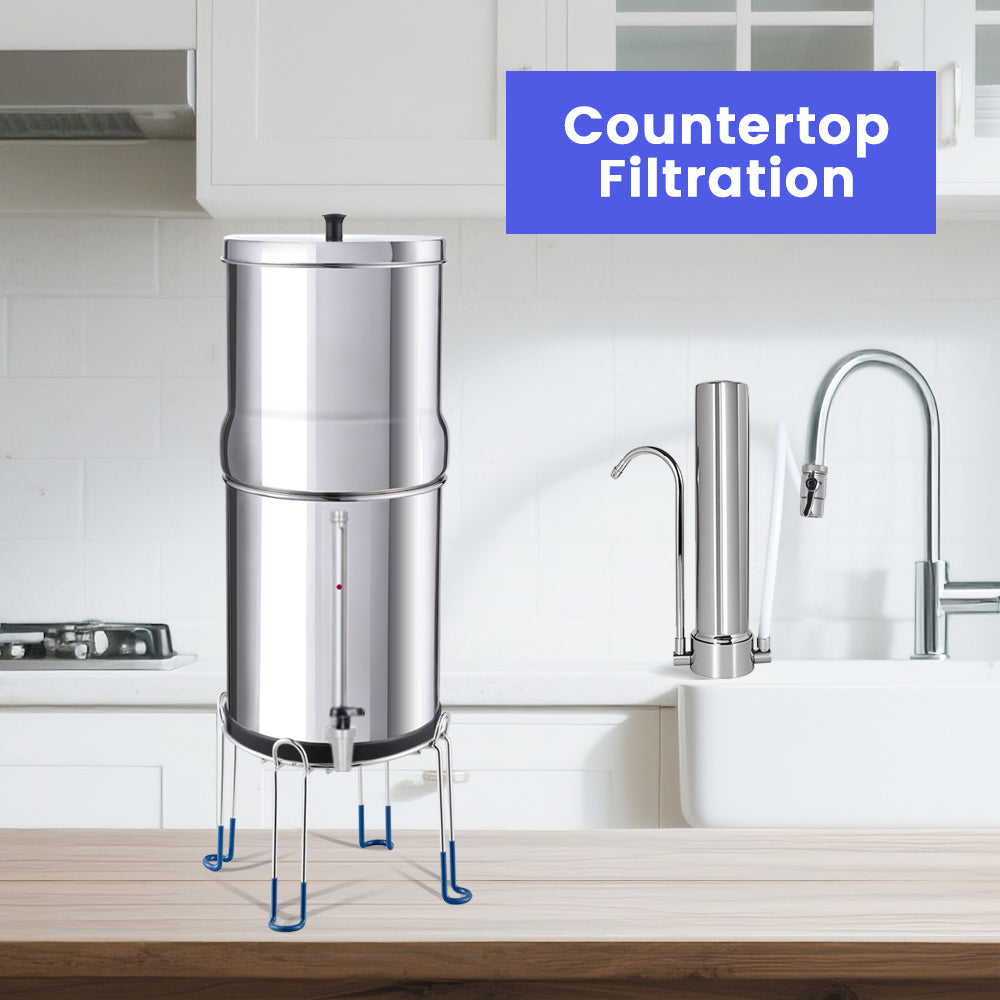
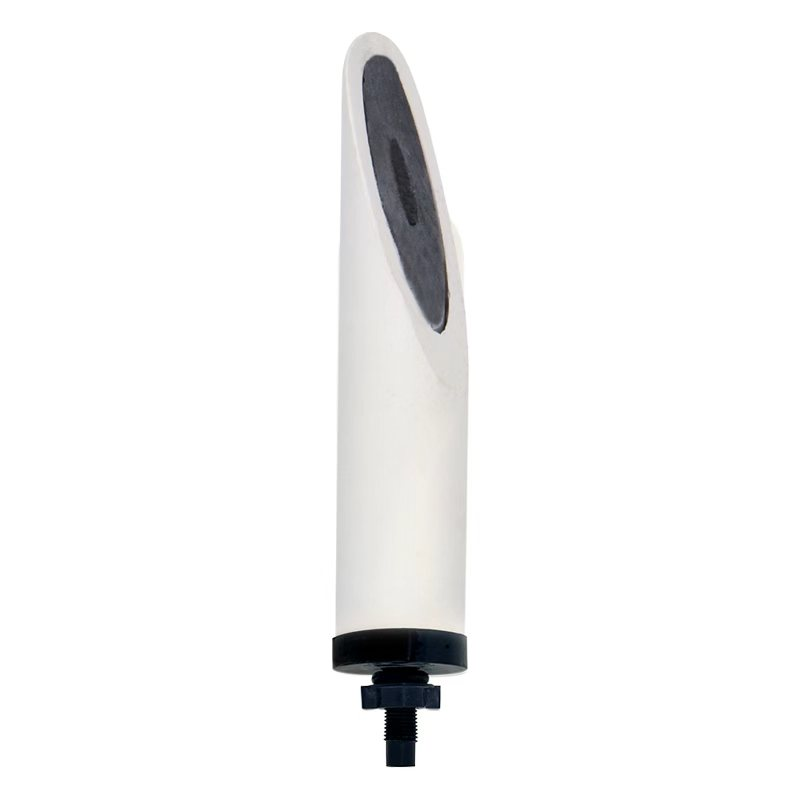
Another significant benefit is sustainability. Unlike many plastic or pleated paper filters, a ceramic element is cleanable. When the flow rate slows down due to sediment buildup, you can simply scrub the outer surface to reveal a fresh layer of ceramic, extending the life of the filter significantly. For those seeking a compact solution, the AMWater Ceramic Water Filter utilizes this exact technology to provide immediate, clean water directly from your tap without the need for complex installations.
The Ceramic Water Filter Cons
The Role of Stainless Steel in Water Filtration
Pros of Stainless Steel Filter Housings
2. Hygienic Properties: Stainless steel is non-porous and resists biofilm accumulation. Unlike some plastics that may leach Bisphenol A (BPA) or other chemicals over time, high-grade stainless steel remains inert, ensuring that the water quality is not degraded by the container itself.
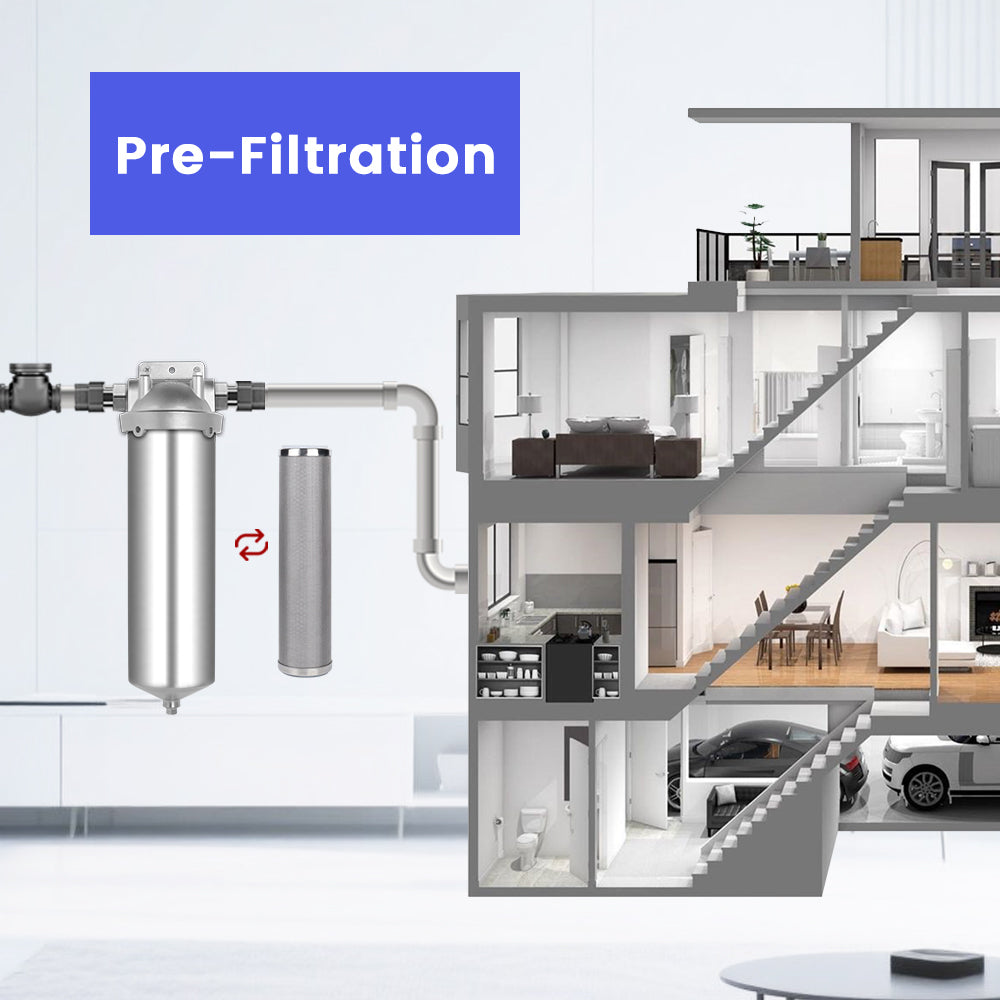
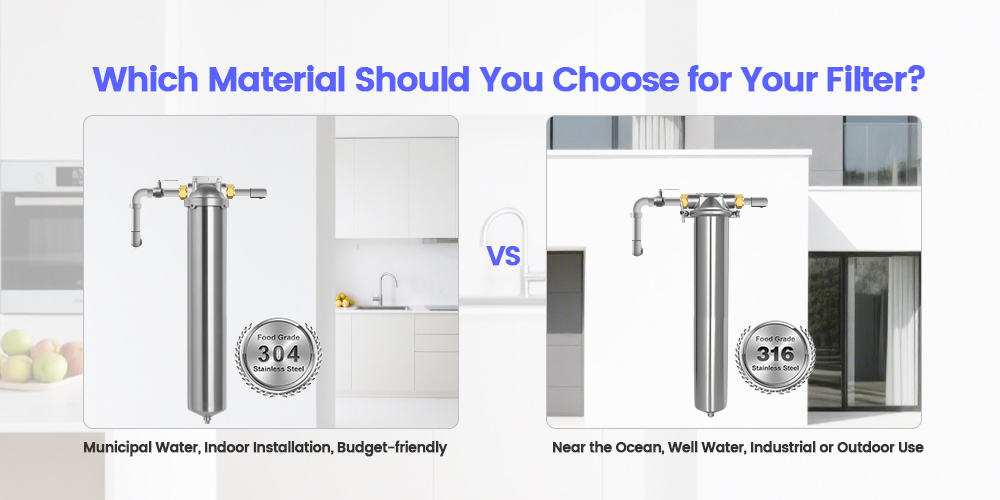
3. Aesthetic and Longevity: A stainless steel system looks professional and lasts a lifetime. At AMWater Filter, we provide the 10 inch Water Filter Housing made from high-quality materials to ensure that your filtration setup remains leak-proof and stylish for years to come.
Cons of Stainless Steel Filter Housings
Comparative Analysis: Ceramic vs. Stainless Steel Systems
Filtration Efficiency
Ceramic wins in terms of microbiological protection. If your primary concern is bacteria or cysts from well water or older city pipes, a ceramic filter is indispensable. Stainless steel, on its own, does not filter water; it serves as the protective shell.
Maintenance Requirements
Ceramic filters require more manual attention (cleaning the cartridge), whereas a stainless steel filter housing requires almost zero maintenance other than a quick wipe-down during cartridge changes.
Environmental Impact
Both materials are winners for the eco-conscious consumer. Ceramic is a natural material that reduces plastic waste, and stainless steel is 100% recyclable and incredibly long-lasting. By using a combination like the AMWater Filter 10-inch system, you are drastically reducing your household's plastic footprint.
Why the Combination is the Ultimate Solution
The most effective purification strategies offer a choice between two premium materials: a specialized Ceramic Water Filter System for microbiological protection or a robust Stainless Steel Filter Housing for industrial-grade durability.
This hybrid approach provides:
• Superior Microbiological Protection: Provided by the ceramic micro-pores.
• Chemical Reduction: Provided by the activated carbon core inside the ceramic.
At AMWater Filter, we have designed our product line to reflect this balance. Our Ceramic Water Filter System provides the convenience of ceramic filtration in a sleek, durable form factor, while our stainless steel filter housing allows for heavy-duty applications where pressure resistance is paramount.
How to Choose the Right System for Your Home
1. Water Source: If you are on municipal water, you need a system that handles chlorine and sediment. A ceramic filter with a carbon core in a durable housing is perfect.
2. Installation Space: If you have limited space, a faucet-mounted system like the AMWater Ceramic Water Filter System is the best choice. It offers the benefits of ceramic filtration with zero footprint on your countertop.
3. Budget vs. Value: While plastic systems are cheaper, the long-term value of a ceramic filter in a stainless steel filter housing is unmatched. You save money on replacement cartridges and avoid the risk of water damage from cracked plastic.
Installation and Care Tips
• For Ceramic Filters: Check the flow rate every month. If it slows down, remove the cartridge and scrub it with a soft abrasive pad. Do not use soap, as the ceramic will absorb it.
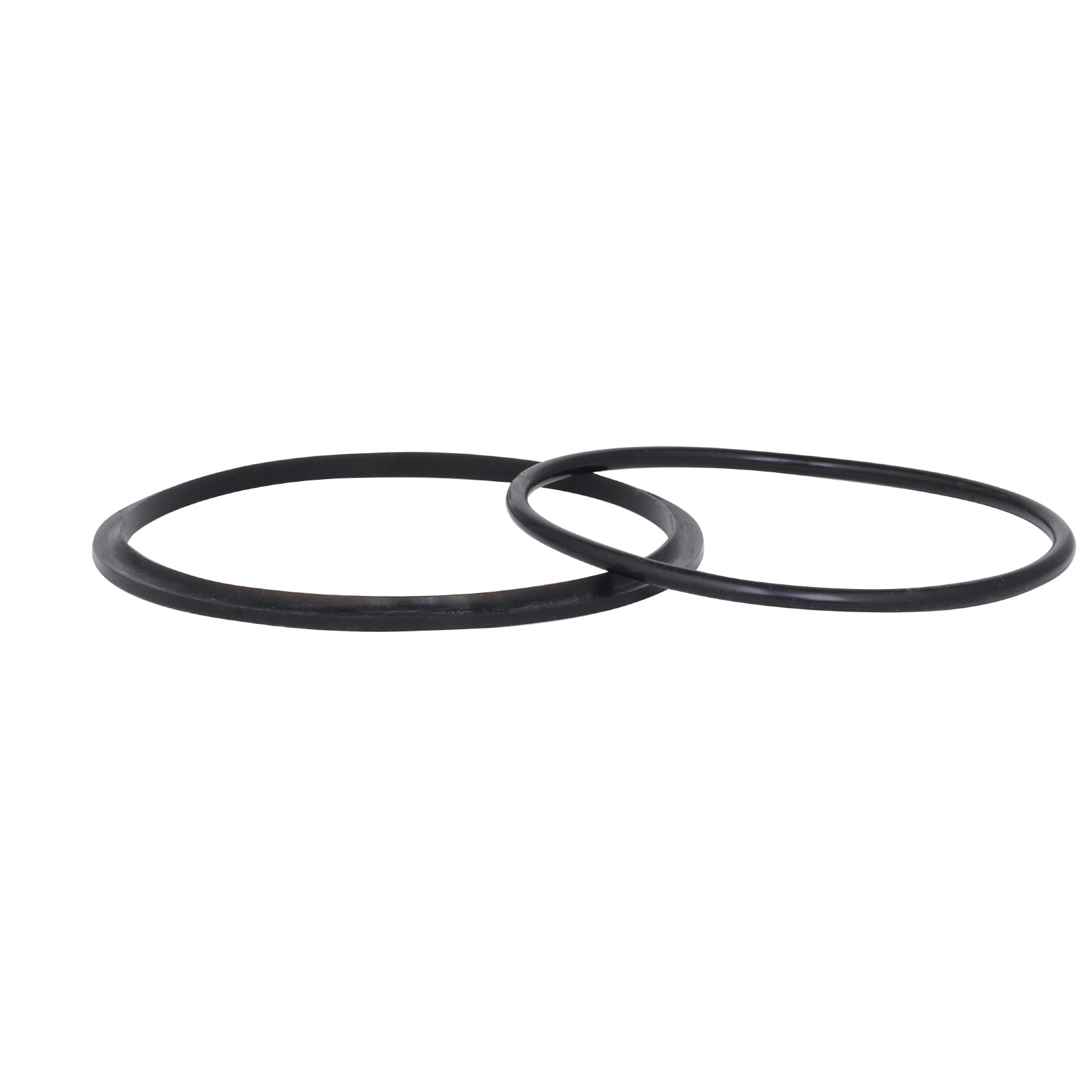
• For Housings: When replacing the filter inside your 10 inch Water Filter Housing, inspect the O-ring for any wear. A little food-grade silicone grease can help maintain a perfect seal.
• Flushing: Whenever you install a new filter, let the water run for 2-3 minutes to flush out any loose ceramic dust or carbon fines.
Final Verdict
By choosing AMWater Filter, you are investing in a system that understands these nuances. Whether it is the convenience of our Ceramic Water Filter System , you are ensuring that your family has access to the highest quality water possible.

Leave a comment
This site is protected by hCaptcha and the hCaptcha Privacy Policy and Terms of Service apply.