The kitchen is the heart of the home, and high-quality water is the heart of the kitchen. From the morning coffee to the evening pasta water, the quality of your tap water directly impacts your family's health and the flavor of your food. With hundreds of options on the market, finding the best kitchen water filter system can feel overwhelming.
This guide is designed to cut through the marketing noise. We have updated our 2026 recommendations based on rigorous real-world testing and laboratory data to help you choose a system that fits your plumbing, your budget, and your health priorities. At AMWater Filter, our goal is to ensure every drop from your tap is as pure as nature intended.
How We Test & Score
To find the best kitchen water filter system, we don't just read the box; we put these systems through their paces:
Contaminant-Removal Tests: We cite third-party lab results focusing on the "big offenders": Lead, PFAS (forever chemicals), Arsenic, and Chlorine.
Flow Rate Benchmarking: We time how long it takes to fill a 1-gallon pitcher to calculate the real-world Gallons Per Minute (GPM).
Usability & Install: Our team performs hands-on installations under standard kitchen sinks to document how "easy" the installation actually is for a DIY homeowner.
How We Choose
Our selection criteria are strict. To make our list, a system must:
Hold NSF/ANSI certifications (specifically 42, 53, or 58).
Provide a clear balance between contaminant removal and flow rate.
Offer transparent operating cost data for replacement filters.

|
Category
|
Best For...
|
Why We Picked It
|
|
Tankless RO
|
Large families & Lead concerns
|
High flow and maximum purity.
|
|
Under-Sink Multi-Stage
|
Balanced performance
|
Great taste and easy maintenance.
|
|
Inline Carbon
|
Renters & Easy Install
|
Fast flow; installs in 10 minutes.
|
|
Countertop/Gravity
|
No-plumbing households
|
Long filter life and zero installation.
|
|
Pitcher Filters
|
Budget-conscious users
|
Low entry cost for basic filtering.
|
Tankless Osmosis System — High Flow Rate & Lead Filtering
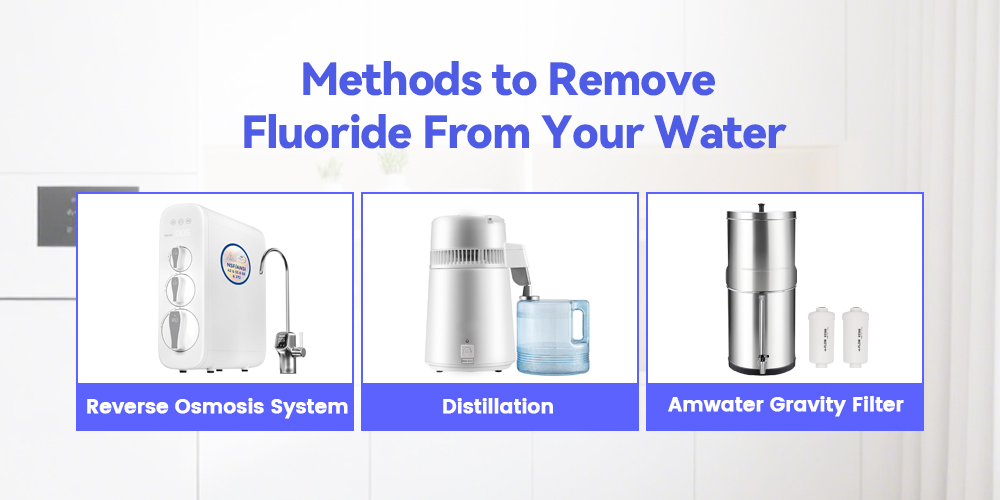
The tankless Reverse Osmosis (RO) system is the "gold standard" for 2026. Unlike traditional RO systems with bulky tanks, these units use an internal pump to provide water on demand.
The Strength: Exceptional at removing Lead, Fluoride, and TDS (Total Dissolved Solids). Flow Rate: Expect a crisp 0.6 to 0.8 GPM, which fills a glass in seconds.
Wastewater Ratio: Advanced models now feature a 2:1 or 3:1 ratio (3 gallons of pure water for every 1 gallon wasted), a massive improvement over older 1:4 ratios.
Note: Most require a dedicated faucet (included) and an under-sink power outlet.
Under-Sink Multi-Stage Filter System — Contaminant Removal
If you want deep filtration without the wastewater of an RO system, a 3-stage or 4-stage carbon-based system is the best kitchen water filter system for you.
The Breadth: These systems use a sequence of sediment filters, KDF (Kinetic Degradation Fluxion), and activated carbon blocks to tackle everything from rust to VOCs.
Replacement Filters: Usually required every 6–12 months.
Operating Cost: Roughly $100–$150 per year, making it more affordable than bottled water.
Inline Carbon / Fast-Flow Filter System — Easy Installation
Ideal for renters or those who don't want to drill a hole in their countertop for a second faucet.
Easy Installation: These connect directly to your existing cold-water line.
Taste: The primary focus is "polishing" the water—removing the chlorine taste and odor. Flow Rate: Since it uses your main faucet, there is almost zero pressure impact.
Pitcher Filters — Affordable Drinking Water
For those on a tight budget or low-volume users (1–2 people), a high-quality pitcher is a starting point.
Cost: Low upfront cost ($30–$60), but replacement filters are needed every 2 months. Contaminants: Best for chlorine and mercury; however, few pitchers are effective against heavy lead concentrations or PFAS unless specifically rated.
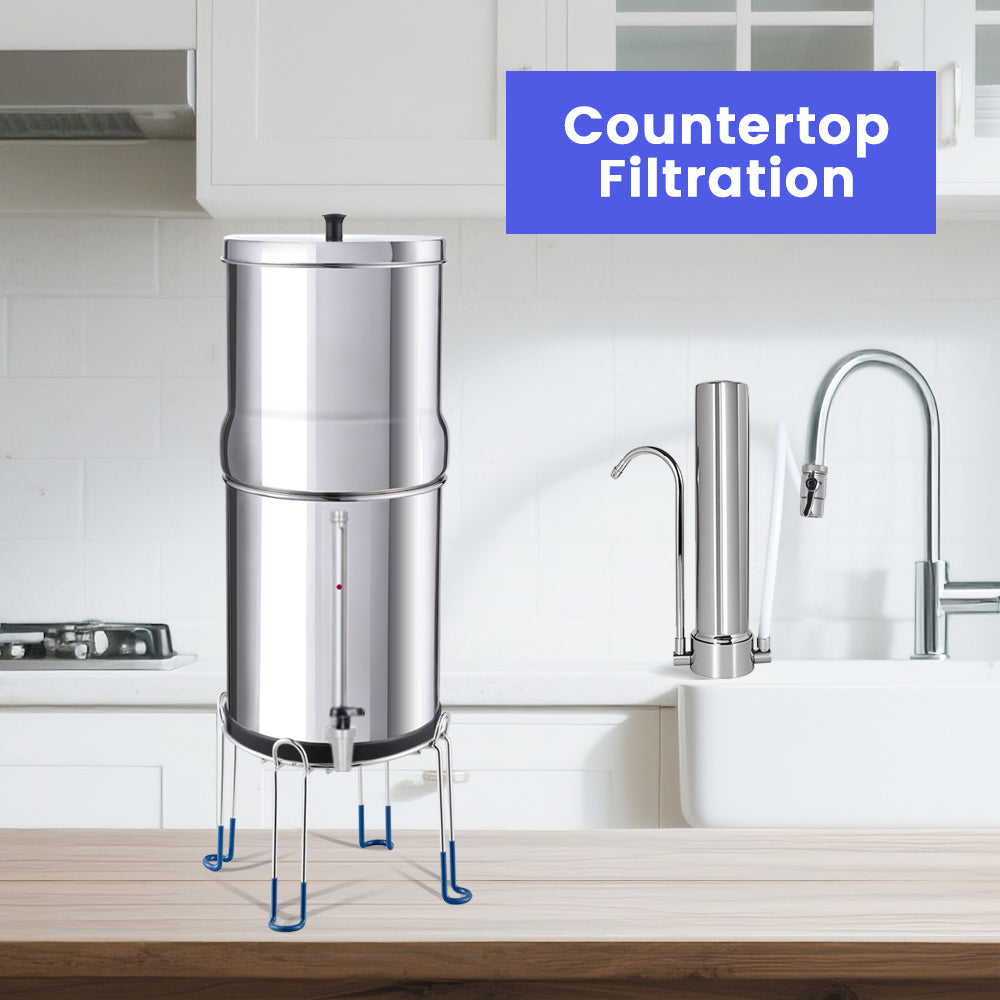
Gravity / Countertop Systems — Long-Life Filters
Brands like Berkey or stainless steel gravity systems are favorites for those who want a "set it and forget it" approach.
Longevity: Some elements can last for 3,000+ gallons.
Maintenance: Low cadence—simply wash the upper chamber once a month. Healthy Water: These often retain natural minerals while removing pathogenic bacteria.
Buyer's Guide: Choosing Your Best Kitchen Water Filter System
Understanding Contaminant Removal
Don't buy a filter for a problem you don't have.
Older Homes: Prioritize Lead filtering (NSF 53).
City Water: Focus on PFAS and VOCs (chemical runoff).
Micron Rating: Look for a "0.5-micron" rating or lower to ensure sub-microscopic particles and cysts are trapped.
Choosing For Drinking Water Needs
Test First: Use a local water quality report (CCR) or a home test kit.
Capacity: A family of five needs a high-capacity under-sink system; a solo renter is fine with a pitcher or inline filter.
Compare Filter Types: RO vs. Carbon vs. Pitcher
RO (Osmosis System): Pros: Purest water. Cons: Produces wastewater, requires more space.
Carbon-Block: Pros: No waste, retains minerals, easy install. Cons: Doesn't remove dissolved solids (TDS) or fluoride well.
Pitchers: Pros: Portable, cheap. Cons: Frequent filter changes, slow to "produce" water.
Replacement Filters, Maintenance, and Operating Cost
The "sticker price" of a system is only half the story. To calculate your true operating cost, consider:
Standard RO: $120/year for 3-stage changes + $80 every 2 years for the membrane.
Multi-Stage Carbon: $100/year.
Pitchers: $15 every 2 months ($90/year).
Pro Tip: Check AMWater Filter for subscription plans; these often reduce the total cost of ownership by 10-15% and ensure you never miss a change.
Installation and Easy Installation Tips
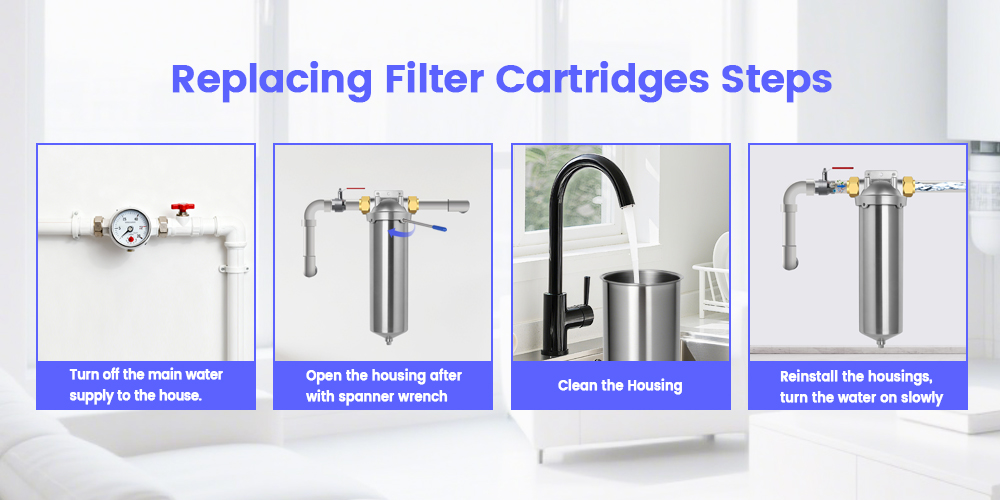
For an under-sink install, you generally only need a crescent wrench and a screwdriver. Checklist: Clear out the space under the sink.Ensure your shut-off valve is functional. If installing an RO system, verify if you need to drill through your granite/quartz (hire a pro for this part!).
Lead Filtering and Certification
Never take a brand's word for it. Look for the NSF Seal.
NSF 42: Aesthetic effects (Taste/Odor).
NSF 53: Health effects (Lead/VOCs).
NSF 58: Reverse Osmosis standards. If a company claims lead reduction but lacks these certifications, ask for their independent lab proof.
FAQ and Common Concerns
Do pitchers remove lead reliably?
Only specific models. Standard "basic" pitchers usually do not. Always check the box for NSF 53 certification.
Why do RO systems produce wastewater?
The process of "cross-flow" filtration requires water to carry the rejected contaminants away from the membrane to prevent it from clogging instantly.
How often should I test my filtered water?
We recommend a simple TDS test every 6 months and a full chemical test once a year.
Conclusion and Recommendations
The best kitchen water filter system depends on your specific lifestyle:
For the Health-Conscious Family: Go with a Tankless RO System. It offers the highest purity and the best flow for cooking.
For the DIY Renter: An Inline Carbon Filter provides the best "bang for your buck" and taste improvement without modifying the plumbing.
For the Budget-First User: Choose a high-capacity Pitcher Filter with Lead-rated cartridges.
Ready to upgrade your kitchen?
1. Check your local water report.
2. Measure your under-sink space.
3. Visit
AMWater Filter to browse our top-rated systems and find the perfect match for your home.


Leave a comment
This site is protected by hCaptcha and the hCaptcha Privacy Policy and Terms of Service apply.