
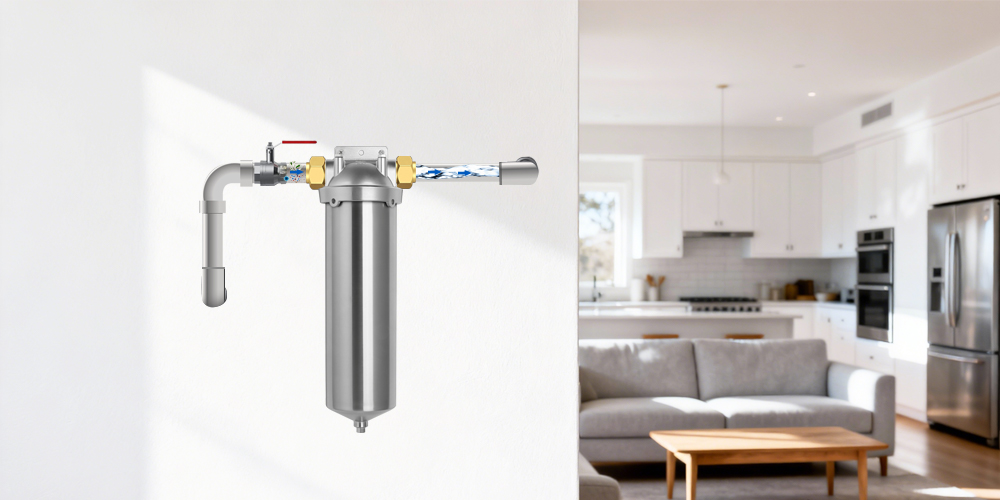
Introduction to House Water Filtration Systems
A whole house water filtration system is one of the most effective ways to ensure clean, safe water flows from every faucet in your home. Instead of filtering just your drinking water, a whole house system treats your entire water supply—bathing, cooking, laundry, and cleaning—offering complete protection against harmful contaminants.
Whether your home is connected to municipal water or a private well, the water you receive may contain chlorine, sediment, heavy metals, pesticides, volatile organic compounds (VOCs), or even bacteria. These contaminants can affect your health, damage your plumbing, and reduce the lifespan of your appliances.
A high-quality whole house water filter—such as those offered by Amwater typically includes several filtration stages: sediment filtration, activated carbon filtration, and sometimes more advanced technologies like reverse osmosis or UV purification. Each stage plays a crucial role in removing specific contaminants and improving overall water quality.
For homeowners who want a healthier, safer, and more eco-friendly water supply, investing in a whole house water filtration system is one of the smartest choices you can make.
Benefits of Whole House Water Filtration
The installation of a whole house water filtration system yields numerous benefits that extend far beyond just drinking water quality:
- Improved Water Taste and Odor: The most immediate and noticeable benefit is the removal of chlorine and sulfur compounds, which drastically improves the taste and smell of drinking and cooking water.
- Reduced Risk of Exposure to Harmful Contaminants: By trapping heavy metals, pesticides, and industrial chemicals, a whole house system significantly reduces your family's daily exposure to potential health hazards.
- Protection for Water-Using Appliances: Filtered water reduces the scale buildup (calcium and magnesium) that can severely damage dishwashers, washing machines, water heaters, and coffee makers. This extends the life of your plumbing and appliances, saving you money on repairs and replacements.
- Healthier Skin and Hair: Removing harsh chemicals like chlorine prevents them from stripping natural oils from your skin and hair during showering, resulting in softer skin, less irritation, and more vibrant hair color.
- Cost-Effective Solution: A high-capacity Amwater whole house system can eliminate the need for expensive bottled water and reduce the use of chemicals needed to clean scale and rust, providing a cost-effective and environmentally friendly solution.

- Easier Breathing: In-home chemicals, especially chlorine, can vaporize and be inhaled during hot showers. Filtering these compounds can lead to cleaner indoor air quality.
With an Amwater system, you can enjoy comprehensive water quality improvement that supports a healthier home environment, softer skin and hair, and significant long-term savings.
Factors to Consider When Choosing a House System
Selecting the ideal whole house water filter requires a methodical approach based on your specific household needs and water source:
Contaminant Type (The First Step): It’s essential to test your water quality first. Different filters target specific contaminants. For instance, if you have very hard water, you need a softener. If your primary concern is city chlorine, a carbon filter is ideal. If lead or arsenic is present (common in older homes or well water), an RO or specific media system is required.
Flow Rate (GPM): The system's flow rate, measured in gallons per minute (GPM), must be sufficient to meet your household demands without causing a noticeable drop in water pressure. A typical home with 3-4 bathrooms needs a system rated at 15–20 GPM. A powerful system ensures that when multiple appliances are running, your shower pressure remains strong.
Filter Capacity and Maintenance Frequency: Consider the system's capacity, which dictates how often you need to replace filters. High-capacity filters (like those offered byAmwater in 10" or 20" sizes) mean less frequent maintenance, saving you time and effort.
System Size and Portability:Evaluate the physical size of the system. Amwater offers filtration solutions in various cartridge sizes—5", 10", and 20" heights—to balance flow rate, filter life, and the available space in your basement or utility room.
Certification and Compliance: Always confirm that the system and its components are certified by reputable third-party organizations like NSF International (National Sanitation Foundation) or the Water Quality Association (WQA). Certification ensures the system meets specific standards for contaminant reduction and material safety.

Overall Cost: Evaluate the long-term cost, including the initial purchase price, installation (DIY vs. professional), and the ongoing cost of replacement filters. Amwater focuses on providing durable components that reduce long-term maintenance costs.
Top Whole House Water Filters
While naming a single "best" system is impossible because needs vary, industry leaders are often recognized for their comprehensive contaminant reduction and reliability. These top-tier systems exemplify what a high-quality filter should offer:
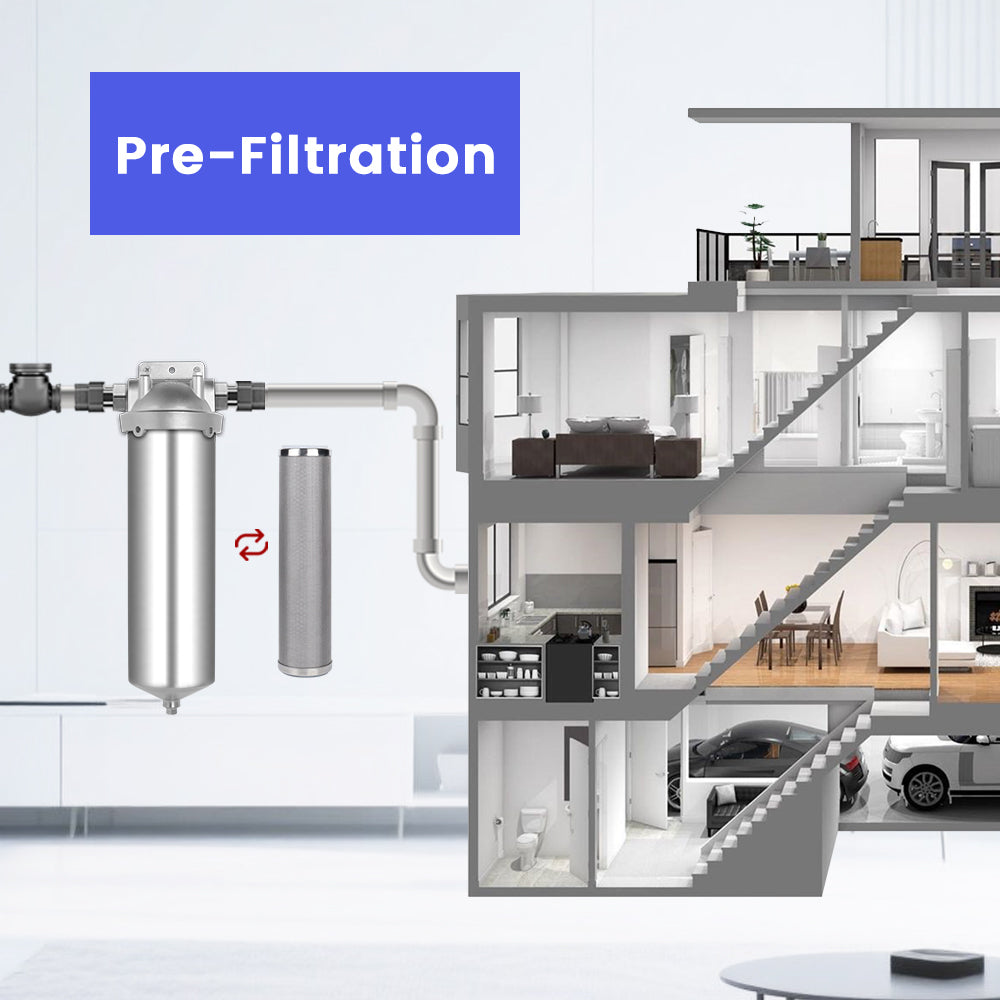
- Stainless Steel Whole House Water Filter: Built for superior durability and structural integrity, this high-pressure, heavy-duty housing offers easy filter change-outs via its clamp head design. It provides a reliable, high-flow foundation for any custom 1, 2, or 3-stage filtration system.

- The SpringWell WS1: Often cited for its comprehensive, non-backwashing system that targets sediment, chlorine, and sulfur without wasting water. It is known for its high flow rate, ideal for larger homes.
- The Express Water 3-Stage: A good choice for homeowners seeking an efficient, multi-stage solution that often integrates specialized media to handle both sediment and chemical contaminants effectively.
- The Aquasana Rhino: A popular choice known for its high capacity (often 600,000+ gallons), effectiveness in removing chlorine, taste, and odor, and its relatively easy installation process.
When selecting a top house water filter, scrutinize the system's certification (especially NSF/ANSI Standards), its contaminant reduction capabilities listed by the manufacturer, and its maintenance requirements. A quality provider, like Amwater, ensures full transparency in these areas.
Installation and Maintenance
The process of implementing and maintaining your water quality solution is just as important as the purchase itself.
Installation
The installation process for a whole house water filtration system typically involves plumbing work and can vary depending on the system's type and your existing plumbing layout. While some simpler cartridge systems can be installed by a competent DIY homeowner, complex systems or those requiring connection to a well-pump often necessitate professional installation to ensure proper plumbing, flow rates, and adherence to local codes. Always review the Amwater's instructions, especially for pressure ratings and bypass valve installation.
Maintenance
Maintenance is an essential, ongoing aspect of owning a house water filtration system. The two primary tasks are:
- Filter Replacement: The frequency depends on the filter type, water usage, and incoming water quality, but most systems require replacement every 6-12 months. Timely replacement is crucial for ensuring the optimal performance of the system and extending its overall lifespan.
- System Monitoring: Regularly check the system for leaks and monitor water pressure. A significant drop in pressure often indicates that a sediment filter (which can be easily replaced with an Amwater cartridge) is clogged and needs changing.
Certification and Compliance
Choosing a certified water filtration system guarantees performance and safety. Look for systems with:
- NSF/ANSI 42 (chlorine, taste, odor reduction)
- NSF/ANSI 53 (health-related contaminants)
- NSF/ANSI 58 (reverse osmosis performance)
- NSF/ANSI 401 (emerging contaminants like pharmaceuticals)
Certification ensures your system has been independently tested and meets strict industry standards—another reason why Amwater's certified systems are trusted by homeowners seeking high performance and reliability.
House Water Filtration System Components
A whole house water filtration system is built from several integrated components working in sequence:
- Pre-Filters: The first line of defense, designed to remove particulate matter and sediment (sand, rust). Amwater's wire mesh and pleated filters are ideal pre-filters, protecting the stages that follow.
- Carbon Filters: Located after the pre-filter, these remove chemical contaminants, improving taste and odor. They typically come in block or granular activated form.
- Reverse Osmosis Membranes (If used as POU): Highly selective membranes that remove dissolved solids and heavy metals.
- Post-Filters: The final stage, often a small carbon block, used to "polish" the water just before it leaves the system, ensuring the best possible taste.
Understanding the different roles of these components is essential for selecting a tailored solution. The quality of each component, particularly the housing and filter media, is critical to the overall performance and lifespan of the entire system.
Conclusion
Choosing the best whole house water filter depends on your water source, contamination level, household size, and budget. With so many options available, understanding filtration types, certifications, system components, and maintenance needs is essential.
A high-quality whole house filtration system improves your water's taste, protects your health, and extends the life of your plumbing and appliances. For homeowners looking for reliable, effective, and long-lasting solutions, Amwater provides premium filtration systems designed to deliver clean, safe water for every faucet in your home.


Leave a comment
This site is protected by hCaptcha and the hCaptcha Privacy Policy and Terms of Service apply.