
Introduction to Water Filtration
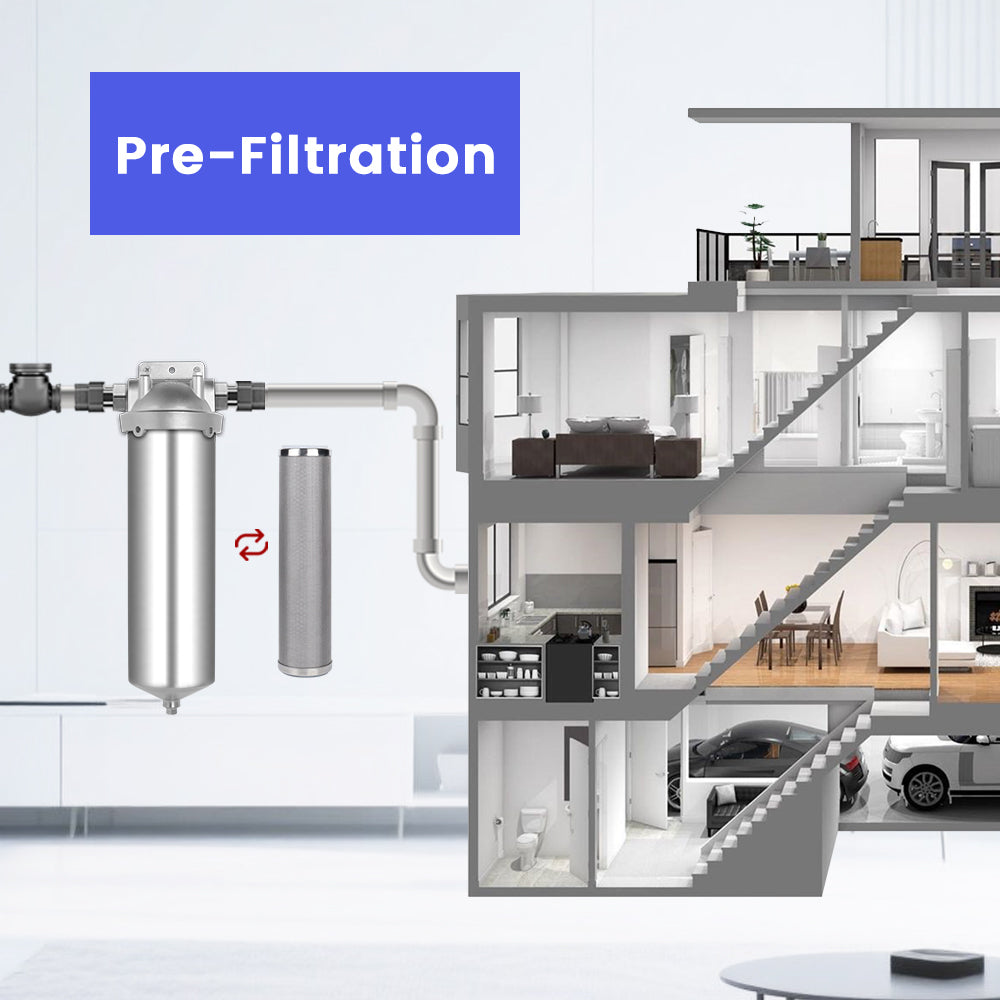
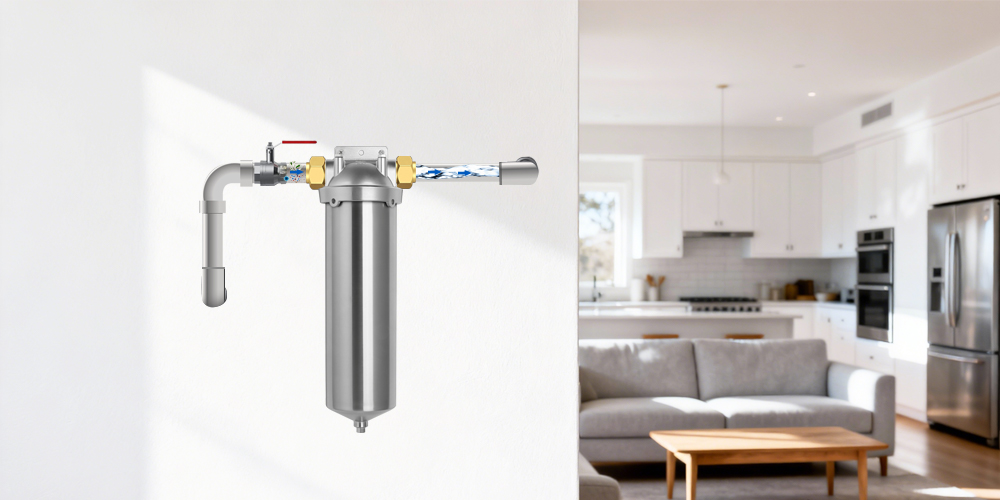
For homeowners committed to the purest water quality at every tap, choosing a whole house water filter is a critical decision. A whole house, or Point-of-Entry (POE), system is installed at the main water line to treat all water entering your home—for drinking, bathing, cooking, and appliances.
Amwater guide will walk you through the essential steps on how to choose a whole house water filter that is perfectly tailored to your home's specific needs, ensuring long-term water quality and peace of mind. Some filtration systems are also designed to retain beneficial minerals, such as calcium and magnesium, which can improve water taste and support overall health.
Benefits of Whole House Water Filtration
Total Health & Home Protection
A whole house water filter provides total protection by purifying every tap, sink, and shower in your home. This removes hazardous contaminants like chlorine and lead, ensuring your family's safety and well-being. Furthermore, this essential system safeguards your home’s plumbing and expensive appliances from corrosive buildup, extending their lifespan and saving you money on repairs and replacements.
Elevated Comfort and Quality
Beyond safety, a whole house system significantly improves your daily life. By eliminating bad tastes and odors, it guarantees superior water quality for drinking and cooking. You will also experience softer skin and hair after bathing and enjoy less spotting and staining on fixtures. Choosing a whole house water filter is a smart investment that directly enhances the health of your family and the overall quality of your home life.
Water Quality and Contaminants in Tap Water—Know Your Enemy
The most crucial step in the process of how to choose a water filter for home use is knowing exactly what contaminants you need to remove. You cannot select the right filter without this information.
Professional Water Testing is Essential: While public water suppliers provide an annual Consumer Confidence Report (CCR), this reflects water quality at the source, not necessarily your tap. We strongly recommend comprehensive testing for your home’s actual tap water. This helps identify many contaminants that may not be reported in the CCR. This is especially vital for private well owners, where contaminants like bacteria, iron, or nitrates are common. Knowing the specific contaminants in your water is crucial for choosing the right filter.
Common Contaminants:
- Chlorine/Chloramine: Added by municipal systems for disinfection, often resulting in poor taste and odor. These are examples of volatile organic compounds that can affect water taste and safety.
- Sediment, Dirt, Rust: Common in all water, they clog filters and damage appliances.
- Heavy Metals (Lead, Copper): Can leach from old plumbing. Lead is a serious health concern.
- Hard Minerals (Calcium/Magnesium): While not contaminants, they cause hard water (scale buildup), which requires a water softener, often paired with a filter.
- Harmful Substances: Tap water can contain harmful substances such as pesticides, PFAS, and other toxic chemicals that pose health risks if not removed.
Some homes face multiple water quality issues, requiring a filtration system that can address a broad range of contaminants and remove many contaminants for comprehensive protection.
Understanding Filtration Systems and Technologies
Once you know your contaminants, you can select the right technology. Whole house filters are often multi-stage systems, combining different filter types for comprehensive treatment.
|
Type of Filter |
Primary Purpose |
Common Contaminants Removed |
Best For |
|
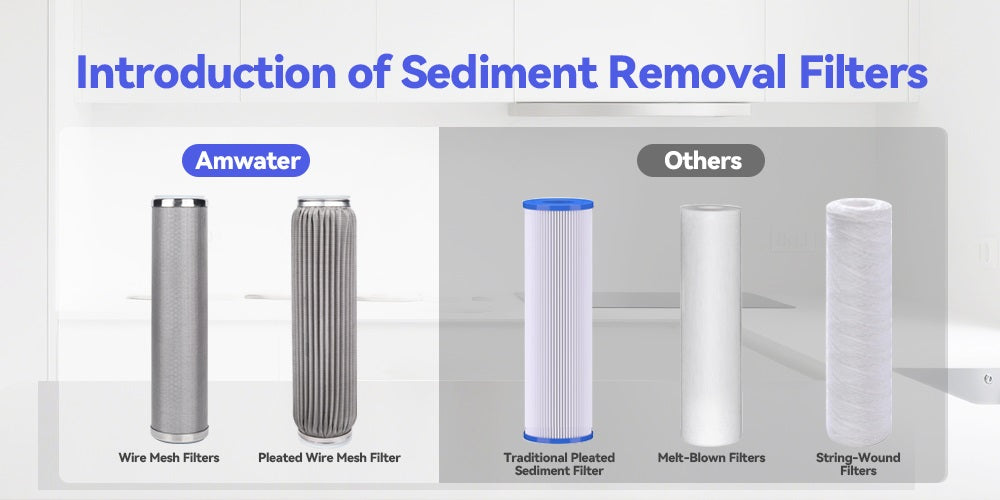
Traps large particles (pre-filter). Each particular filter in a multi-stage system has a unique role in the overall filtration process. |
Sand, dirt, rust, silt |
Protecting subsequent filters and appliances. |
|
|
Carbon filtration is effective for chlorine reduction and improving taste and odor. Uses granular activated carbon as a common media to remove volatile organic compounds and maintain beneficial minerals. |
Chlorine, Chloramine, VOCs, improving taste and odor |
City water and taste/smell issues. |
|
|
KDF Filter |
Chemical reaction (Redox). Can be combined with catalytic carbon for enhanced contaminant removal. |
Heavy metals (Lead, Mercury), extends carbon life, inhibits bacteria |
Treating a wide range of contaminants. |
|
UV Filter |
Disinfection using ultraviolet light to inactivate microorganisms. |
Bacteria, Viruses, Cysts |
Private well water where microbial contamination is a risk. |
|
Reverse Osmosis (RO) |
Highly detailed membrane filtration. Osmosis filtration systems are highly effective at removing many contaminants, including dissolved solids and heavy metals. |
Dissolved Solids, Lead, Arsenic, Fluoride (usually POU only) |
Drinking/cooking water (typically a POU add-on to a POE system). |
For a whole house solution, you will often find systems combining Sediment + Carbon or Sediment + Carbon + KDF to deliver the best results.

Some advanced systems use catalytic carbon to extend filtration capabilities and target specific contaminants for improved water quality and taste.
Other filtration methods, such as the ion exchange process and water softeners, are used to address water hardness and specific contaminants. The ion exchange process in water softeners reduces hardness minerals like calcium and magnesium, helping to prevent scale buildup and prolong the lifespan of plumbing and appliances.
The filtration capabilities of a system depend on the combination of filter types and media used. A filter removes contaminants based on its design and the specific filtration media it uses. Multi-stage systems may also include other filtration methods, such as ultraviolet light for disinfection or osmosis systems for advanced purification, to ensure comprehensive water treatment.
Factors to Consider When Choosing a Filter
To narrow down the field of top rated whole house water filters, you must match the filter's specifications to your home's structure and usage habits. Filter life is also an important factor to consider, as it affects how often you'll need to perform maintenance and impacts the long-term cost of owning the system.

1. Flow Rate (GPM)
- The filter must be able to handle your home's peak water usage without causing a noticeable drop in water pressure.
- Measured in Gallons Per Minute (GPM). A common household of 1-3 bathrooms typically requires a flow rate of 10-15 GPM.
- If the filter’s flow rate is too low, you’ll experience weak shower pressure when multiple fixtures are running.
2. Filter Capacity and Lifespan
- Capacity is the total amount of water (in gallons) the filter can treat before the media needs to be replaced.
- Whole house systems often have large capacities, such as 1,000,000 gallons, allowing for years of service before media replacement. This translates to lower long-term maintenance costs.
3. Certification (NSF/ANSI)
- Look for third-party certifications, especially from the National Sanitation Foundation (NSF) (NSF/ANSI standards are developed in partnership with the American National Standards Institute). Certifications verify that the system actually removes the contaminants it claims.
- NSF/ANSI Standard 42: Aesthetic contaminants (chlorine, taste, odor).
- NSF/ANSI Standard 53: Health-related contaminants (Lead, Cysts, VOCs).
Budget and Long-Term Maintenance
When considering the budget for a whole house system, remember to look beyond the initial purchase price.
- Initial Cost: Whole house systems can be a significant investment, but they provide a comprehensive solution for your entire home.
- Maintenance Cost: This includes the cost and frequency of replacement filters. A high-capacity system with a 5-10 year media life will have a higher upfront cost but lower annual running costs compared to a system requiring filter changes every 3-6 months.
- Installation: POE systems are installed directly on your main water line and may require professional plumbing for installation. Professional installation is often recommended to ensure proper setup and optimal system performance. Always factor in this cost, unless you are an experienced DIYer.
Whole House Water Filters for Well Water
If your home relies on well water, choosing the right whole house water filter is essential to address the unique challenges that come with this water source. Well water often contains higher levels of sediment, organic material, and other contaminants that can affect both the safety and taste of your house water. Whole house water filters designed for well water typically use multiple filtration stages, including sediment filters to capture dirt and particles, activated carbon filters to remove chemicals and odors, and sometimes ultraviolet (UV) light to disinfect and eliminate bacteria and viruses.
These filters typically target specific well water issues such as iron, manganese, and hydrogen sulfide, which can cause staining, unpleasant smells, and even health concerns. Activated carbon filters are especially effective at removing organic contaminants and improving the overall taste and clarity of your water. By installing a comprehensive whole house water filtration system tailored for well water, you can ensure that every tap in your home delivers clean, safe, and great-tasting water, free from the most common well water contaminants.
Whole House Water Filter Installation
Proper installation is crucial to the performance and longevity of your whole house water filter. Because these systems connect directly to your main water line and impact the entire house water supply, it’s highly recommended to have a licensed plumber or water treatment professional handle the installation. These experts have the skills and tools needed to ensure your house water filter is set up correctly, minimizing the risk of leaks or system malfunctions.
The installation process usually involves shutting off the main water supply, cutting into the main line, and connecting the filter unit. A bypass valve is often installed to allow for maintenance without disrupting your home’s water flow. In some cases, a dedicated faucet or outlet may be added for specific filtered water needs. Following the manufacturer’s guidelines for installation and ongoing maintenance is essential to keep your whole house water filtration system running smoothly and effectively for years to come.
Whole House Water Filter Brands
When it comes to selecting a whole house water filter, the brand you choose can make a significant difference in water quality, system reliability, and overall satisfaction. Leading brands such as Aquasana, Pelican, SpringWell, and Home Master are known for their high-quality filtration systems, offering a range of options to suit different household needs and budgets. Each brand provides unique features, from advanced filter cartridges and high flow rates to user-friendly maintenance and robust warranties.
As you compare whole house water filter brands, consider factors like the type of filtration technology used, the system's flow rate and pressure capabilities, ease of installation, and the availability of replacement filters. It's also wise to look for brands that have earned certifications from reputable organizations like NSF International or the Water Quality Association, ensuring their products meet strict standards for contaminant reduction and safety.
Reading customer reviews and comparing product specifications can help you find the best house water filter for your specific needs. By choosing a trusted brand with proven performance, you can enjoy the benefits of clean, filtered water throughout your home with confidence.
Finding the Right System for You
At the end of your research, you will have a clear idea of how to choose a water filter that meets your needs.
If your primary concern is city water with high chlorine, a high-capacity carbon filter is likely your best option. If you have well water with bacteria concerns, a UV filter stage is essential.
For high-quality, long-term performance, explore multi-stage systems from trusted providers. At AmWater Filter, we specialize in helping homeowners find systems that match their water test results, usage habits, and budget.
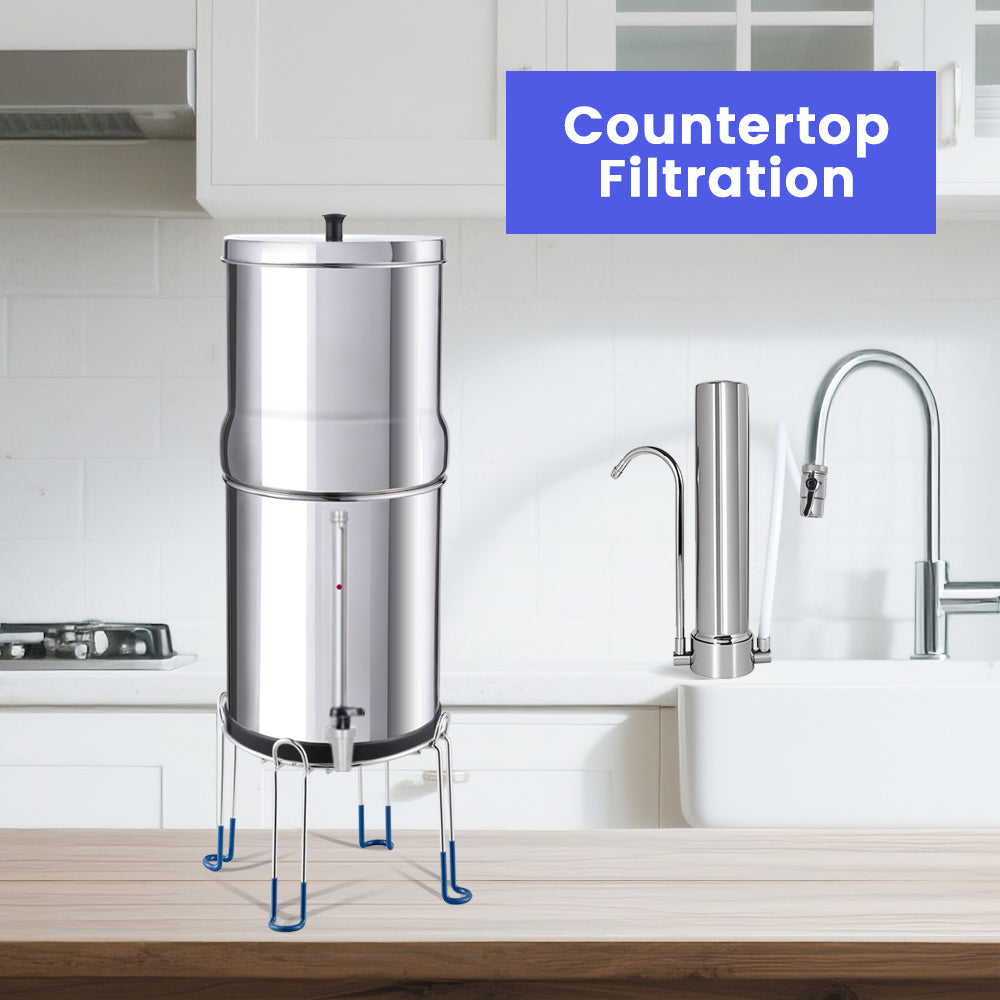
In addition to whole house systems, there are alternative filtration options to consider. Under sink filters offer a hidden, space-saving solution with higher capacity, while faucet mounted filters attach directly to your existing faucet for easy installation and on-demand filtration. Pitcher filters are a simple and affordable choice for small households, though they have limited capacity. Some refrigerators also come with built in filters for added convenience. Faucet mounted filters and some pitcher filters are specifically designed to remove chlorine and improve the taste of your tap water.
Ready to select your perfect system? Would you like me to look up some customer reviews or comparison charts for top-rated whole house water filter brands based on common contaminants like chlorine or sediment?

Leave a comment
This site is protected by hCaptcha and the hCaptcha Privacy Policy and Terms of Service apply.