Water is the essence of life, but the infrastructure delivering it to our homes is often aging and imperfect. One of the most persistent and dangerous contaminants found in domestic water supplies is lead. If you are asking yourself, can you filter lead out of water, the short answer is yes—but the method you choose matters immensely for your family's health.
Why Lead is a Silent Threat in Your Tap Water
Lead is a heavy metal that was commonly used in household plumbing and service lines for decades. Unlike many other contaminants, you cannot see, smell, or taste lead in water. Even at low levels, chronic exposure can lead to significant health issues.
The Health Impact of Lead Exposure
According to health experts and environmental agencies, there is no safe level of lead exposure, especially for children and pregnant women. In children, lead exposure is linked to:
• Damage to the central and peripheral nervous system.
• Learning disabilities and shorter stature.
• Impaired hearing and impaired formation and function of blood cells.
For adults, the risks include decreased kidney function, reproductive problems, and cardiovascular issues like high blood pressure. Because the risks are so high, ensuring your filtration system is capable of handling this specific heavy metal is vital.
Can You Filter Lead Out of Water? Understanding the Technology
Not all water filters are created equal. A standard pitcher filter designed to improve taste and odor by removing chlorine might not be equipped to handle heavy metals. To effectively filter lead, you need specific technologies.
1. Reverse Osmosis (RO)
Reverse Osmosis is widely considered the gold standard for lead removal. It works by forcing water through a semi-permeable membrane with incredibly small pores. These pores allow water molecules to pass through while trapping larger ions like lead.
2. Activated Carbon Block Filters
3. Ion Exchange
This process replaces lead ions with less harmful ions, such as sodium or potassium. Ion exchange resins are often found in sophisticated whole-house or under-sink systems to soften water and remove heavy metal traces simultaneously.
Implementing a Whole-House Defense Strategy
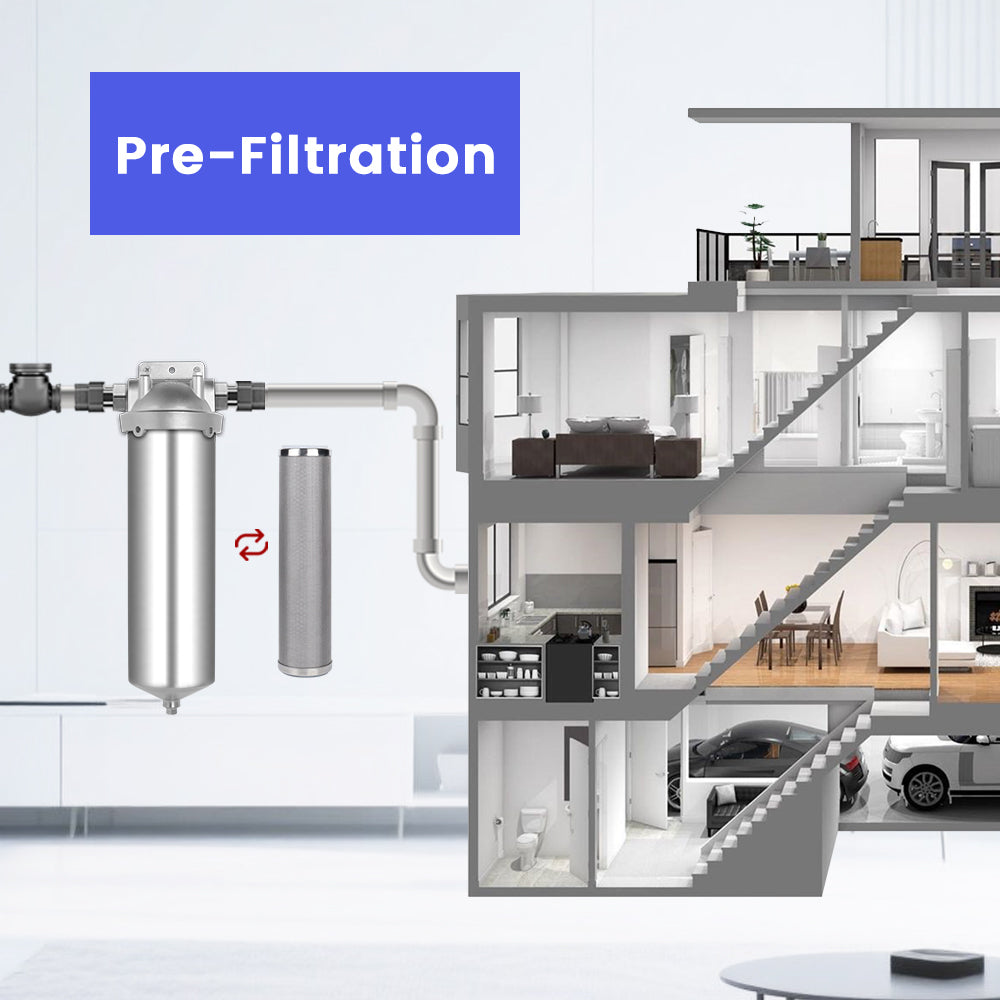
If you are concerned about lead, addressing the problem at the point of entry (where water enters your home) is often the most efficient strategy. This ensures that every faucet, showerhead, and appliance is supplied with cleaner water.
At Amwater, we believe that the foundation of a healthy home starts with robust hardware. A high-performance filtration system requires a secure, leak-proof housing to ensure that the filtration media can do its job effectively without bypass.
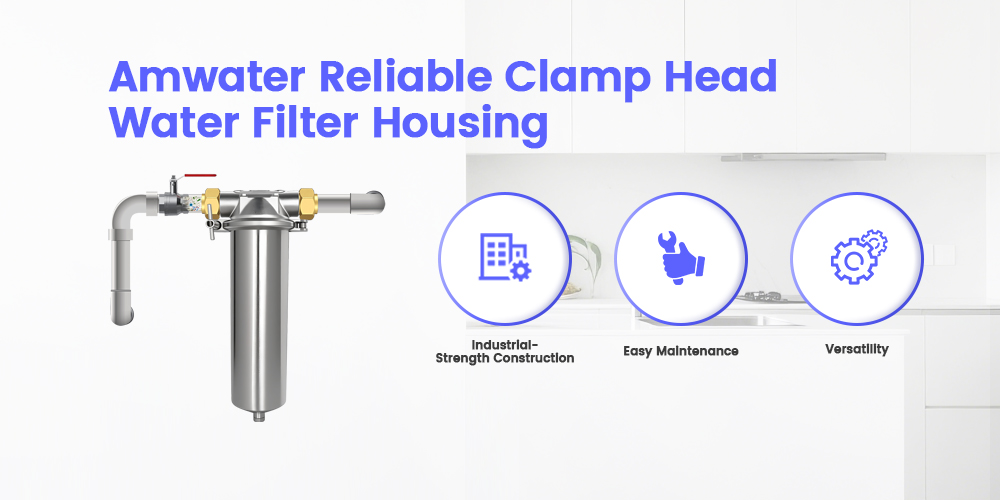
Our Whole House Water Filter Housing Clamp Head is designed specifically for these high-pressure environments.
This heavy-duty housing is essential for homeowners looking to build a custom filtration setup. Its clamp-head design provides a superior seal compared to traditional screw-on housings, making it easier to maintain and far more reliable over the long term. When you are installing specialized lead-reduction cartridges, having a professional-grade housing ensures that 100 percent of your water is forced through the filter media.
How Lead Enters Your Household Water
You might wonder how lead gets into your water if the city treatment plant claims the water is safe. The issue usually lies in the pipes.
• Lead Service Lines: These are the pipes that connect the main water line in the street to your home. Many older neighborhoods still have these in place.
• Lead Solder: Before 1986, lead solder was commonly used to join copper pipes.
• Brass Fixtures: Even some modern brass faucets can contain trace amounts of lead which can leach into the water, especially if the water is acidic or hot.
Steps to Take if You Suspect Lead in Your Water
If you are worried about lead, do not rely on guesswork. Follow these steps to secure your home:
1. Test Your Water
You can purchase a lead testing kit or, better yet, send a sample to a certified laboratory. This will give you a precise measurement of the parts per billion (ppb) of lead in your water.
2. Flush Your Pipes
If you haven't used your water for several hours, run the cold water tap for thirty seconds to two minutes before using it for drinking or cooking. This flushes out water that has been sitting in contact with lead-bearing plumbing.
3. Use Cold Water for Cooking
Lead dissolves more easily in hot water. Always use the cold water tap for drinking, cooking, and especially for preparing baby formula.
4. Install a Certified Filter
The Amwater Advantage: Reliability and Performance
When it comes to water filtration, the components you use are just as important as the filter itself. A common failure point in DIY or low-quality systems is the filter housing. If the housing cracks or leaks, it can cause significant property damage; if the seal is poor, water can bypass the filter entirely.

The Amwater Whole House Water Filter Housing Clamp Head addresses these concerns with:
• Industrial-Strength Construction: Built to withstand the pressure fluctuations common in home plumbing.
• Easy Maintenance: The clamp head mechanism allows for faster filter changes without the need for bulky wrenches that can sometimes strip the plastic of cheaper models.
• Versatility: It can be integrated into a multi-stage system, allowing you to combine a sediment pre-filter with a specialized lead-reduction post-filter.
Conclusion: Take Control of Your Water Quality
Whether you are looking for a single-point solution or a complete whole-house setup, Amwater provides the professional-grade parts you need to ensure your water is clear, clean, and most importantly, safe.
Don't leave your health to chance. Upgrade your home's filtration hardware today and breathe easy knowing your tap water is lead-free.

Leave a comment
This site is protected by hCaptcha and the hCaptcha Privacy Policy and Terms of Service apply.